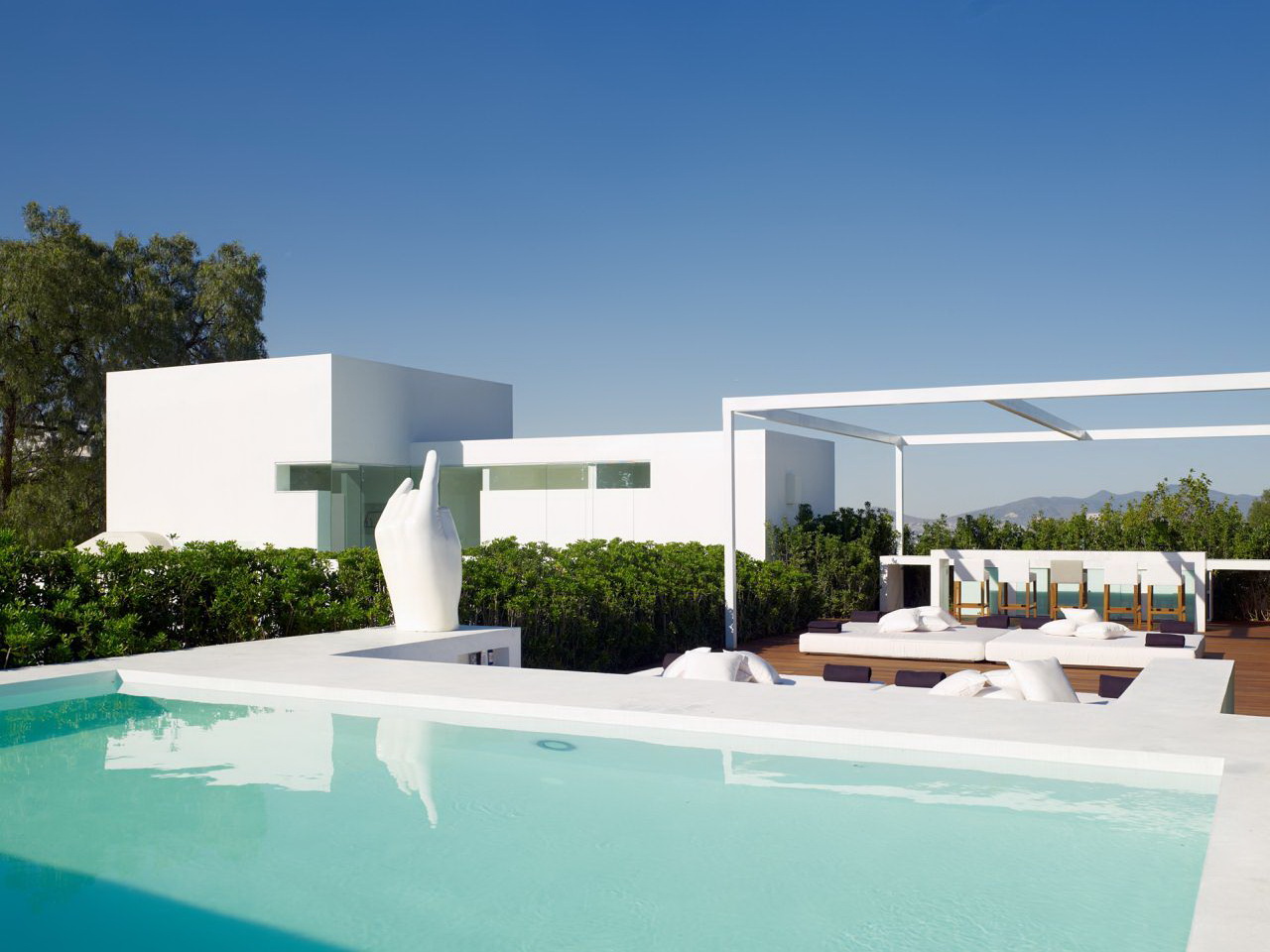
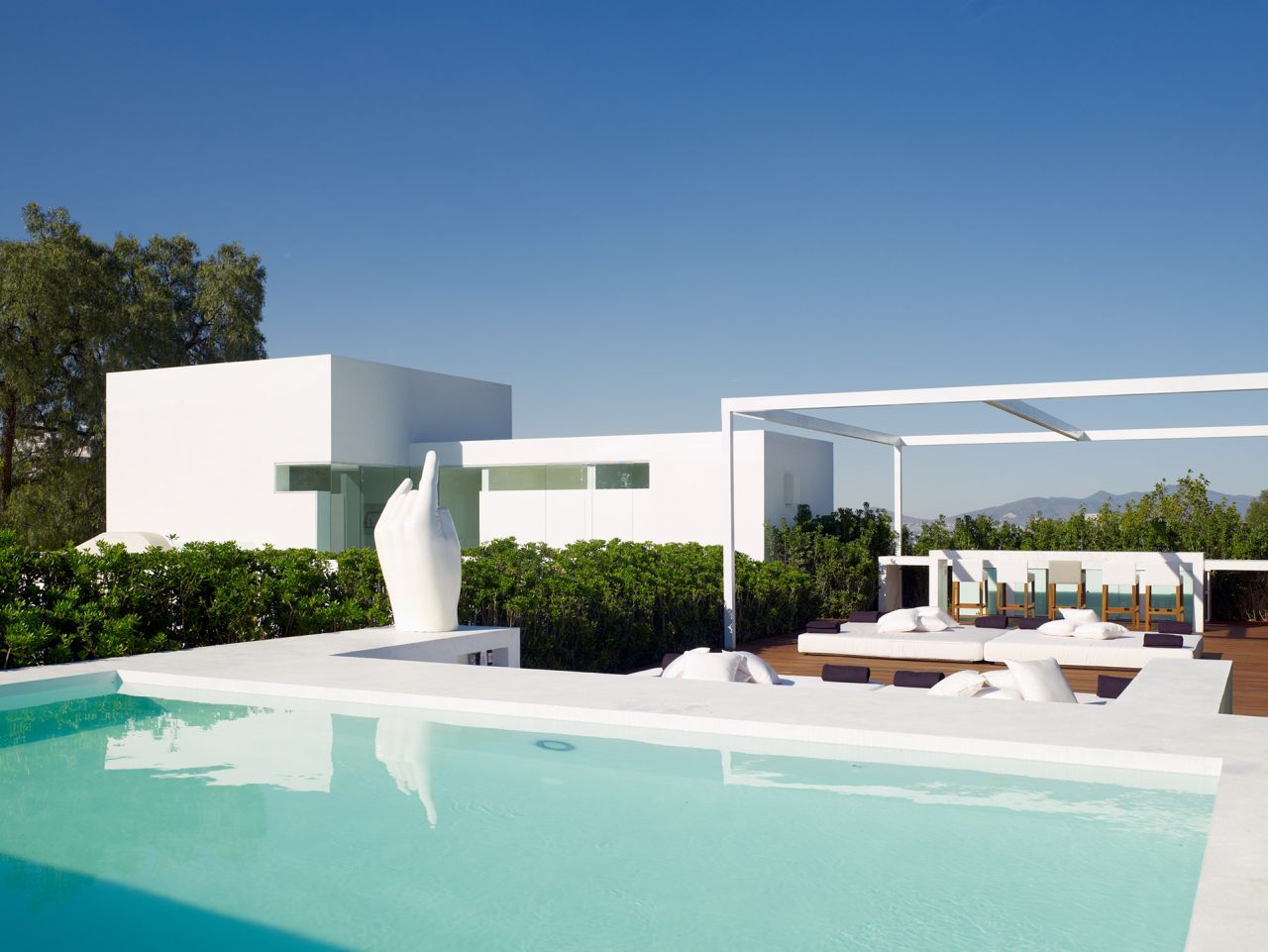
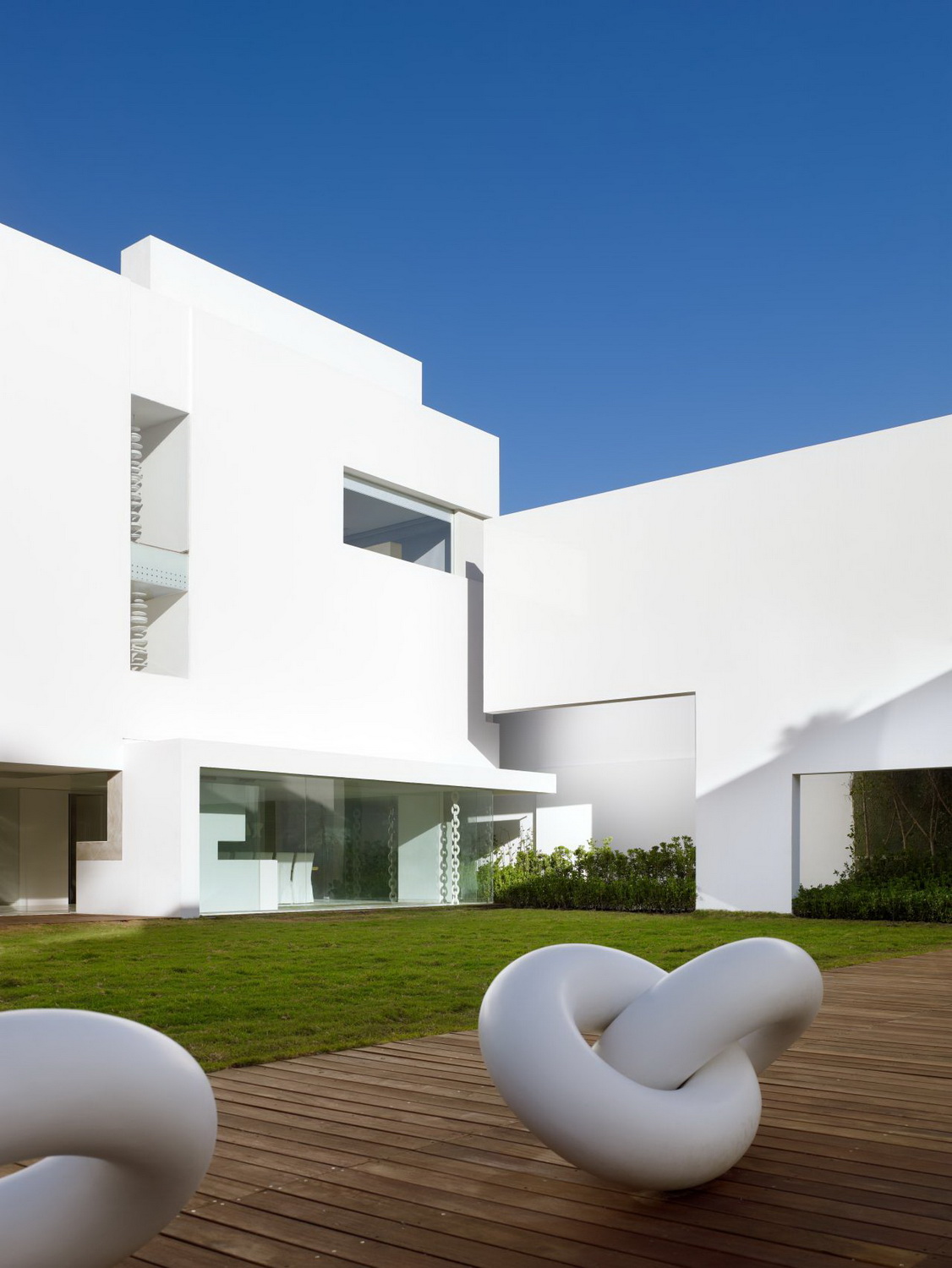
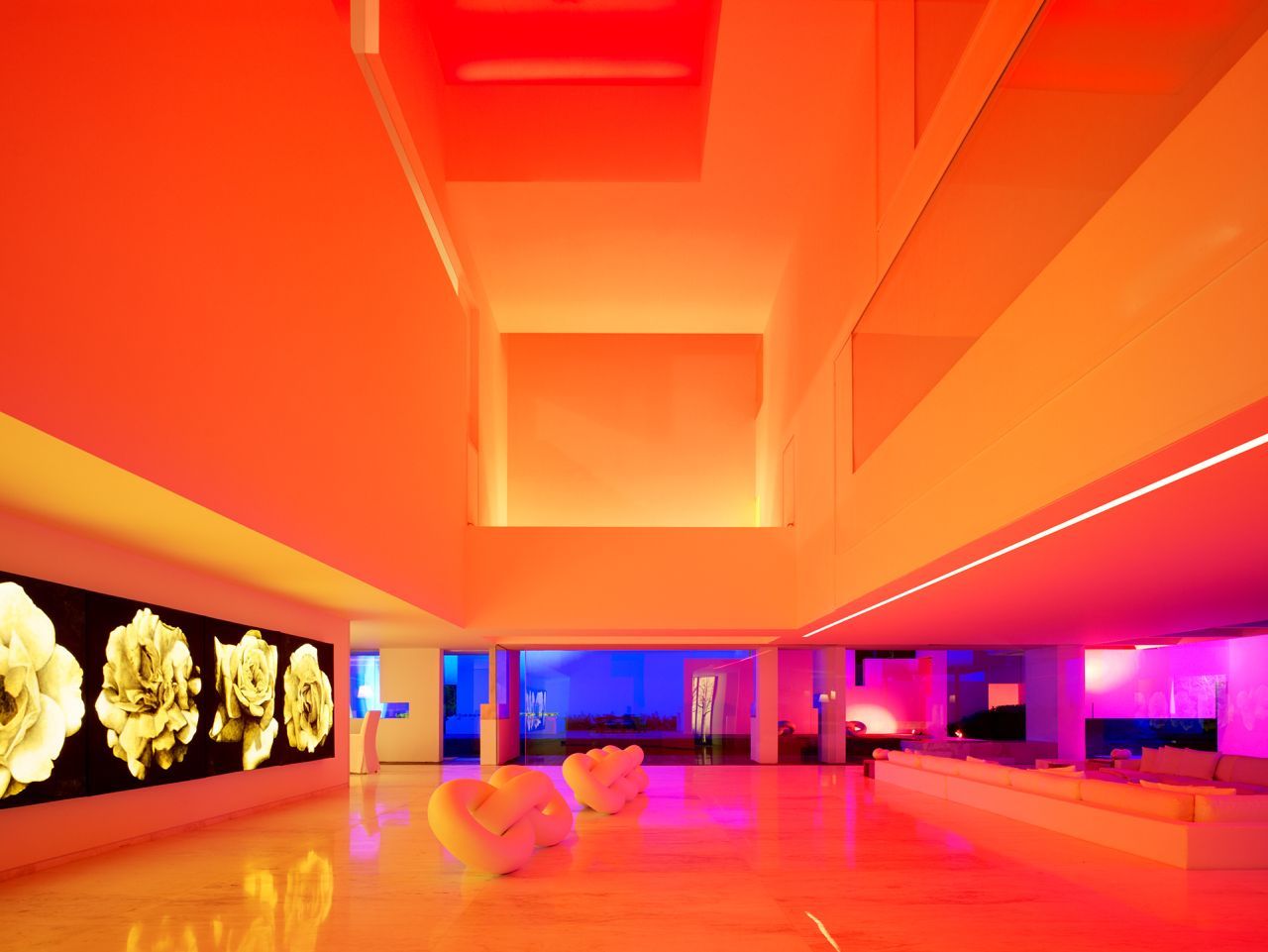
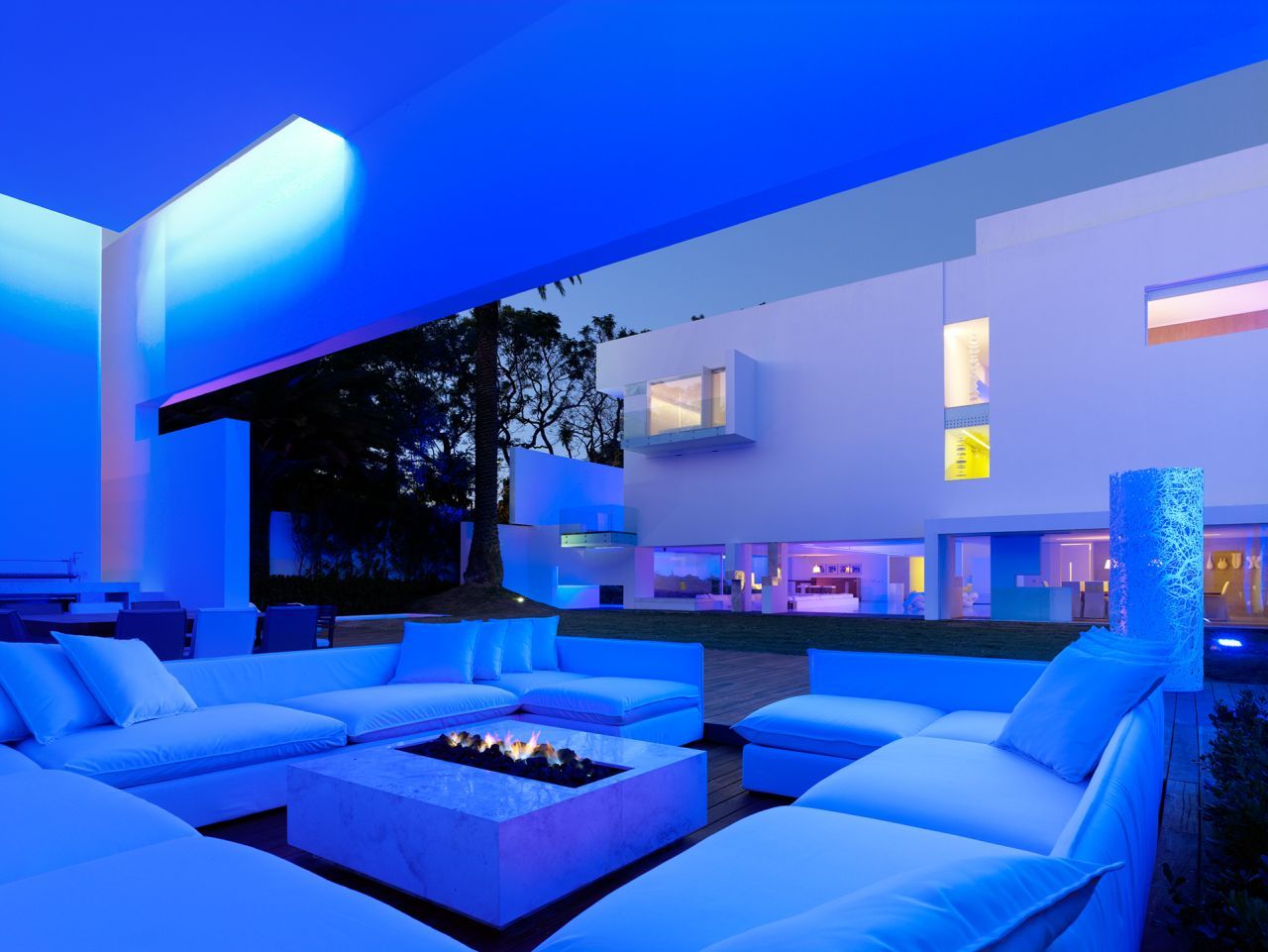
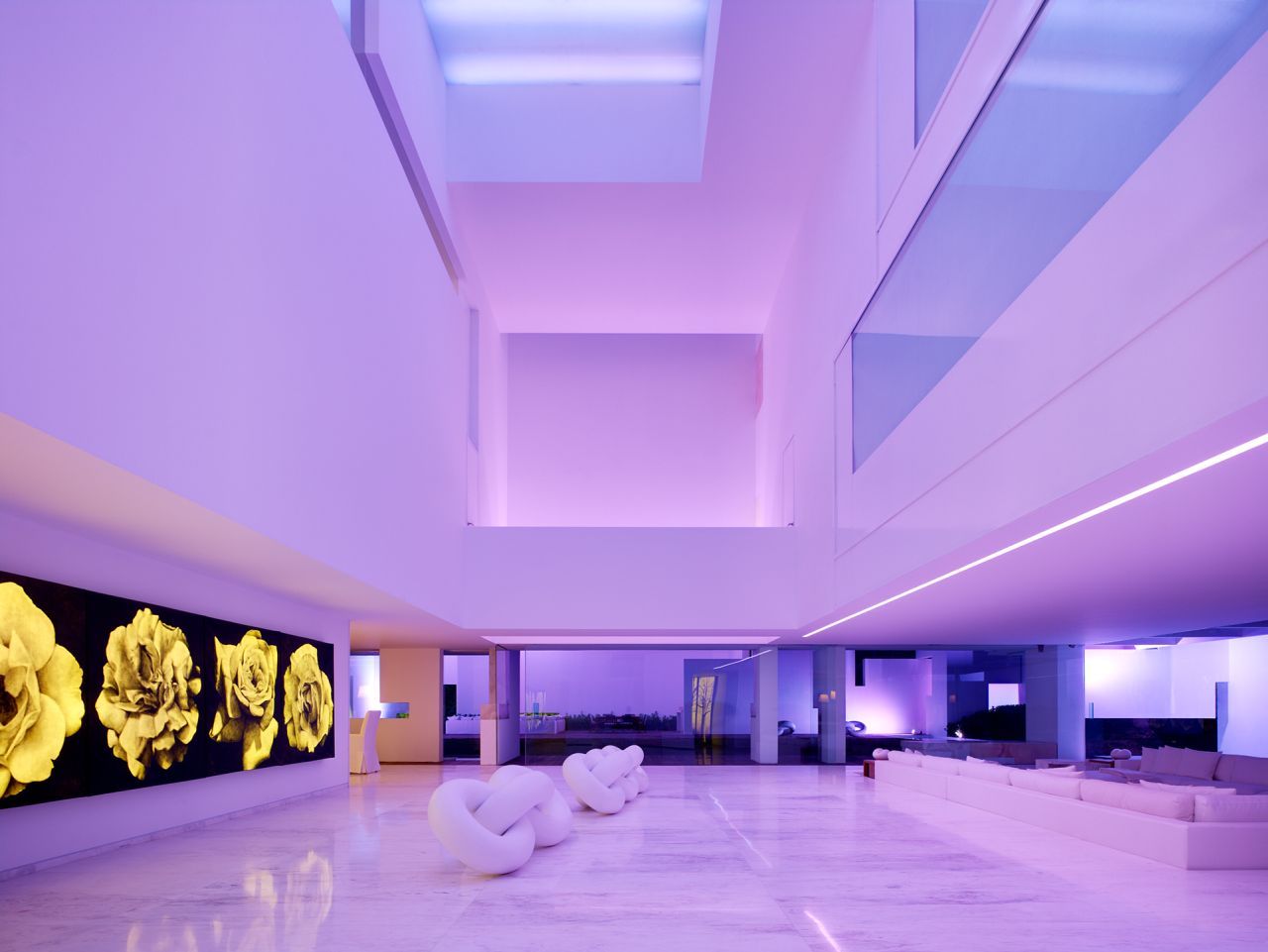
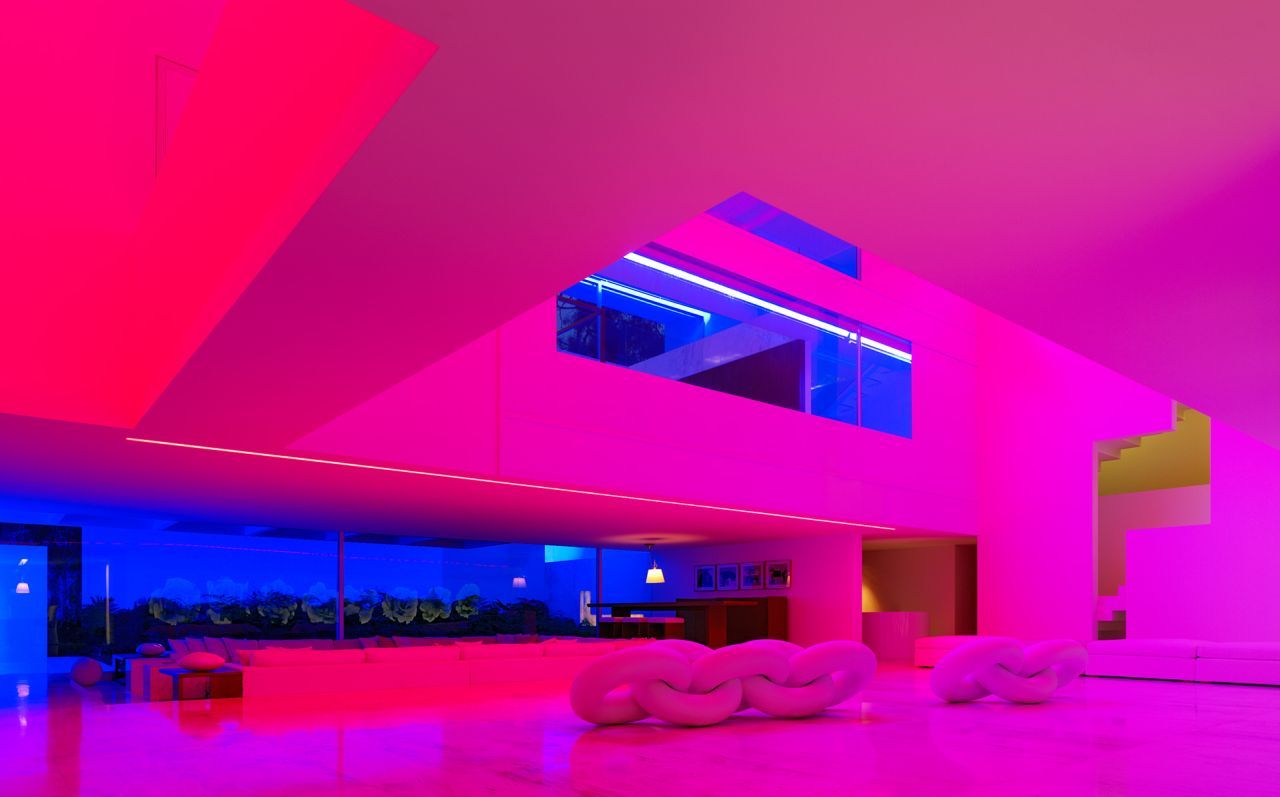
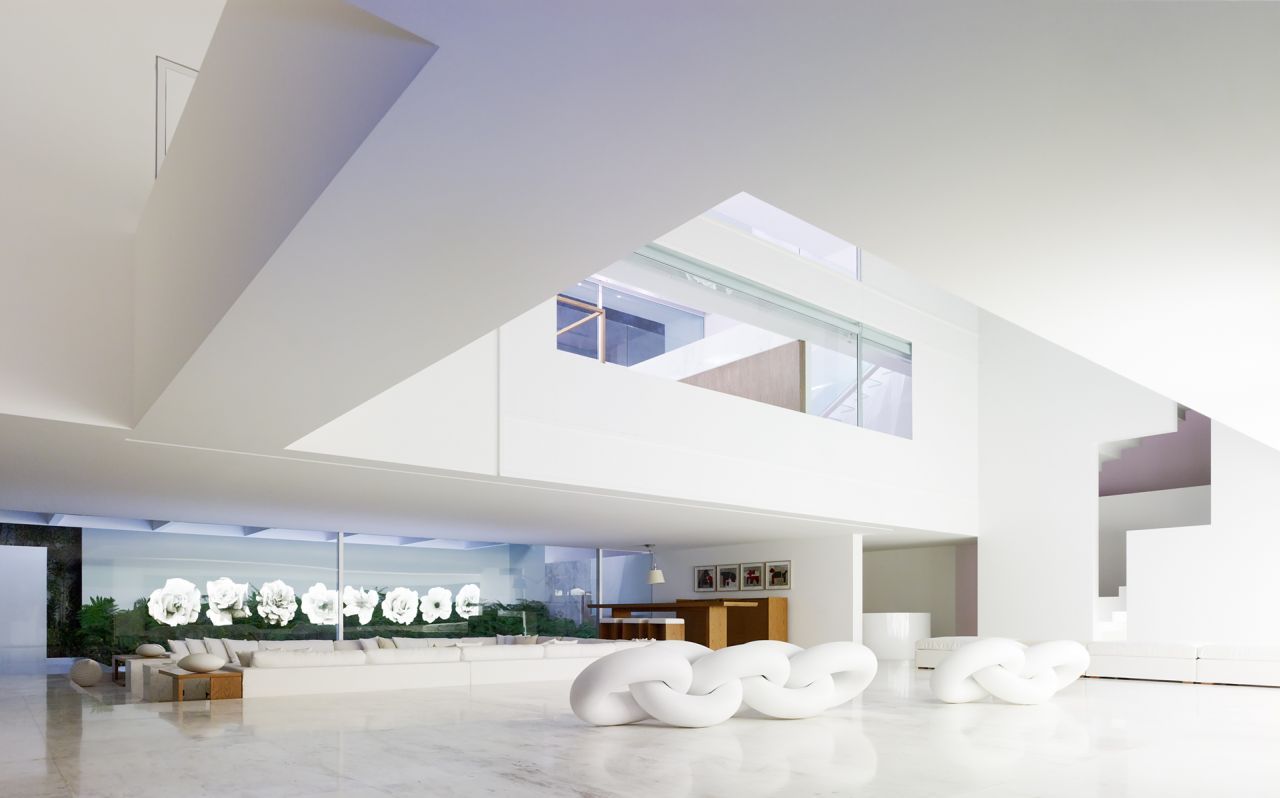
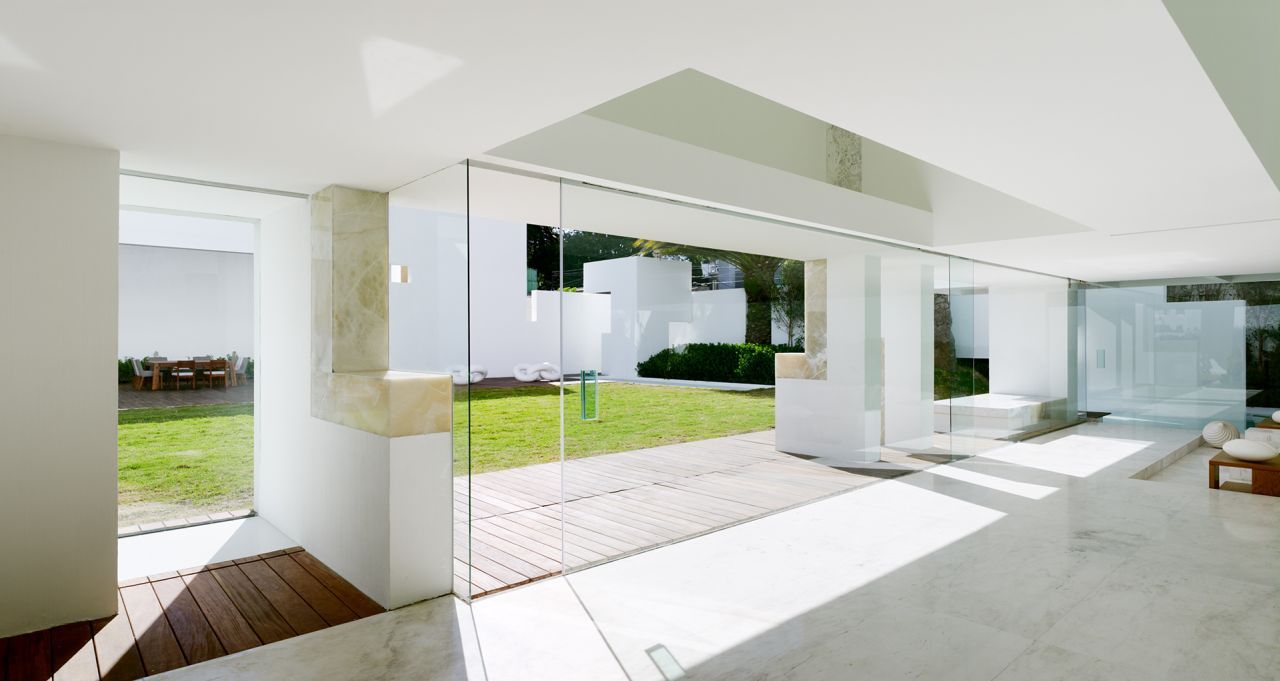
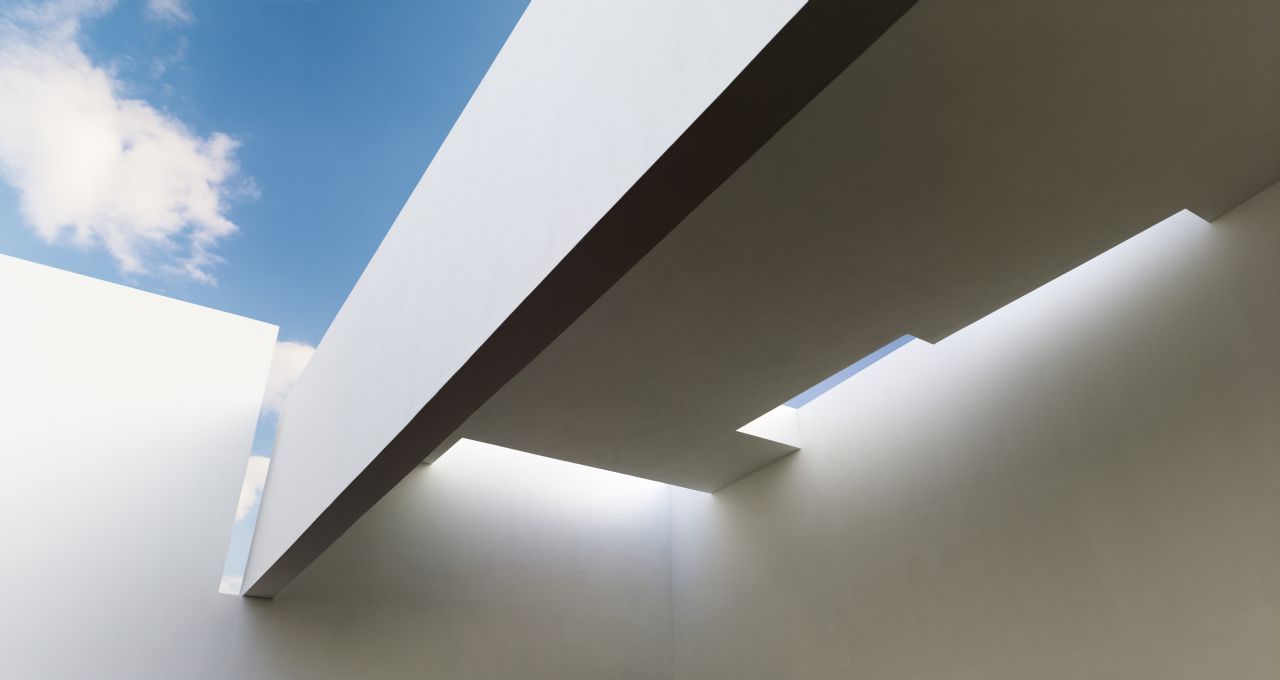
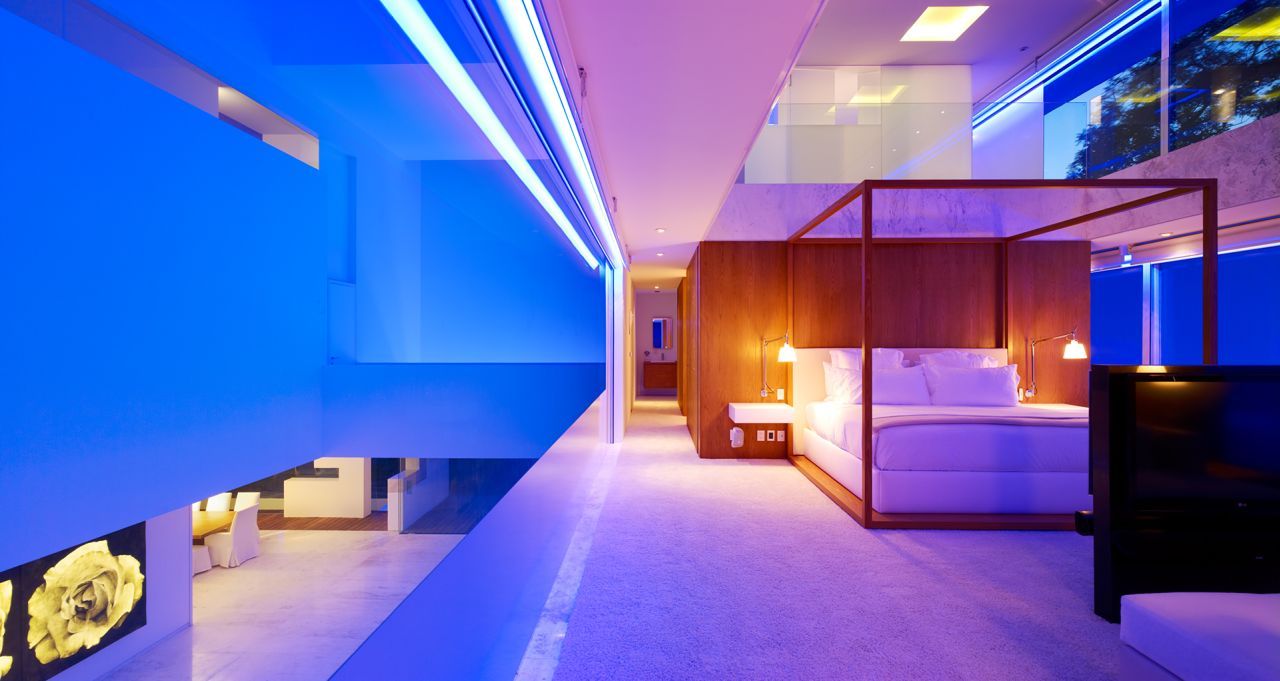
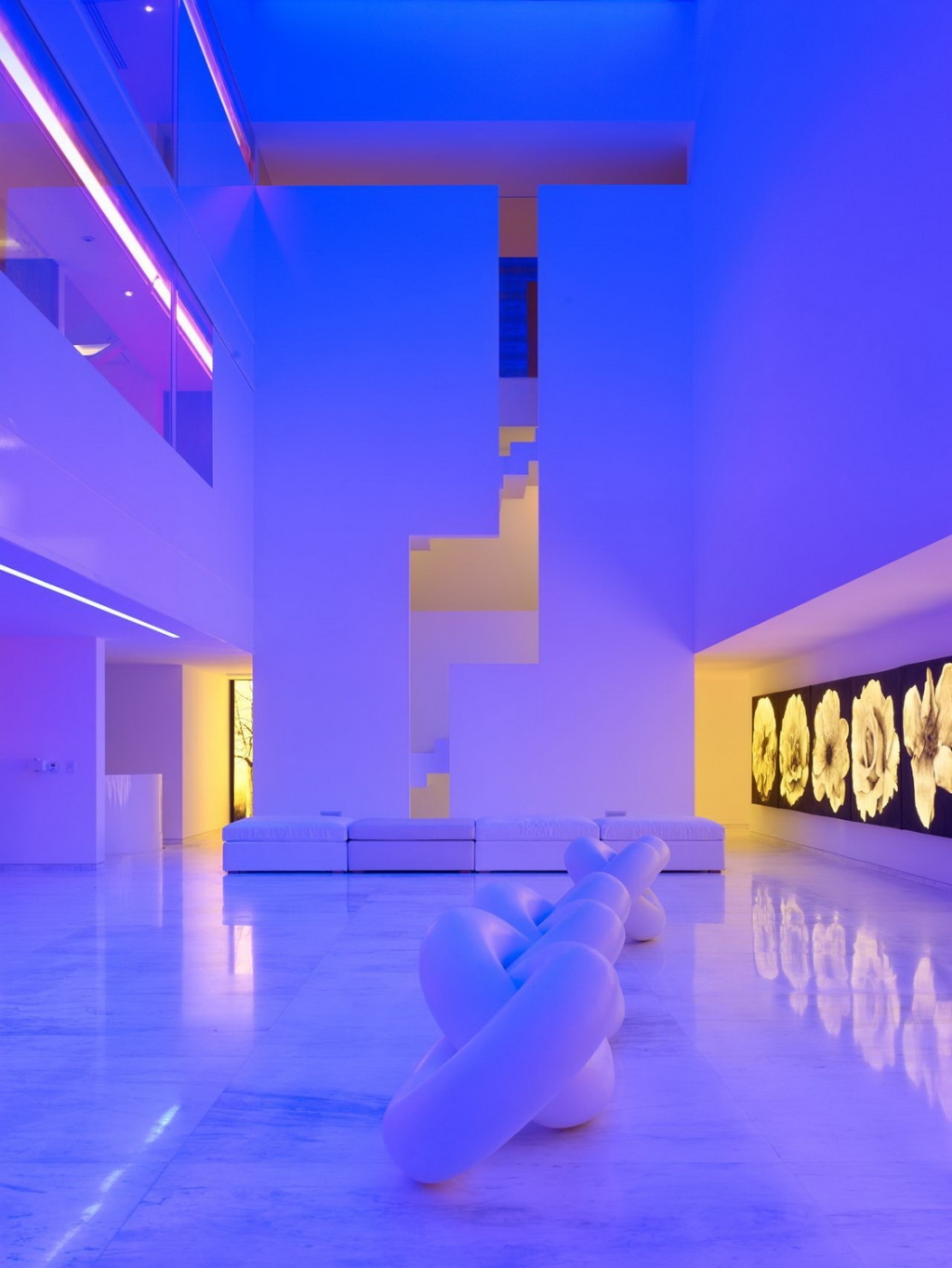
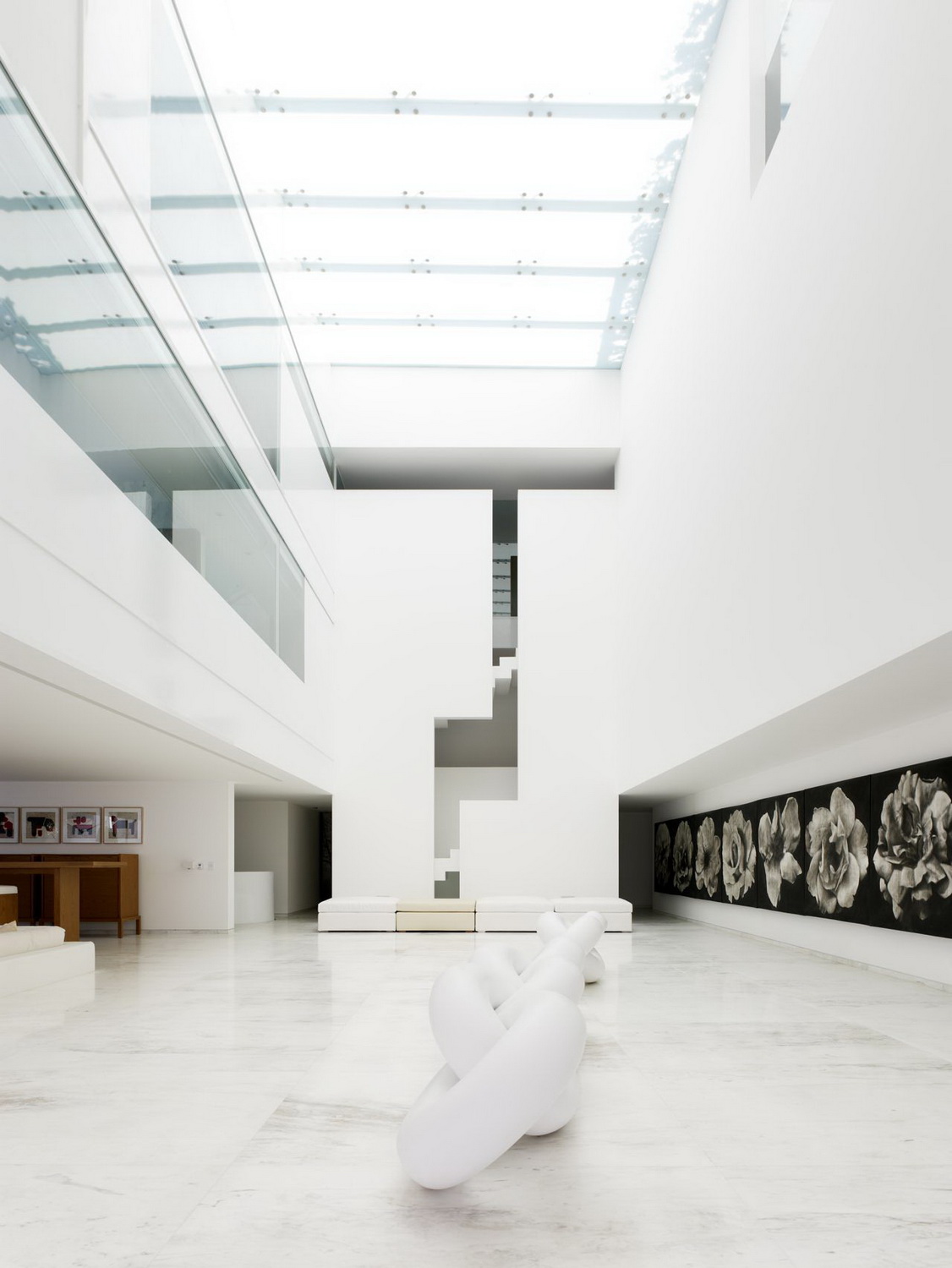
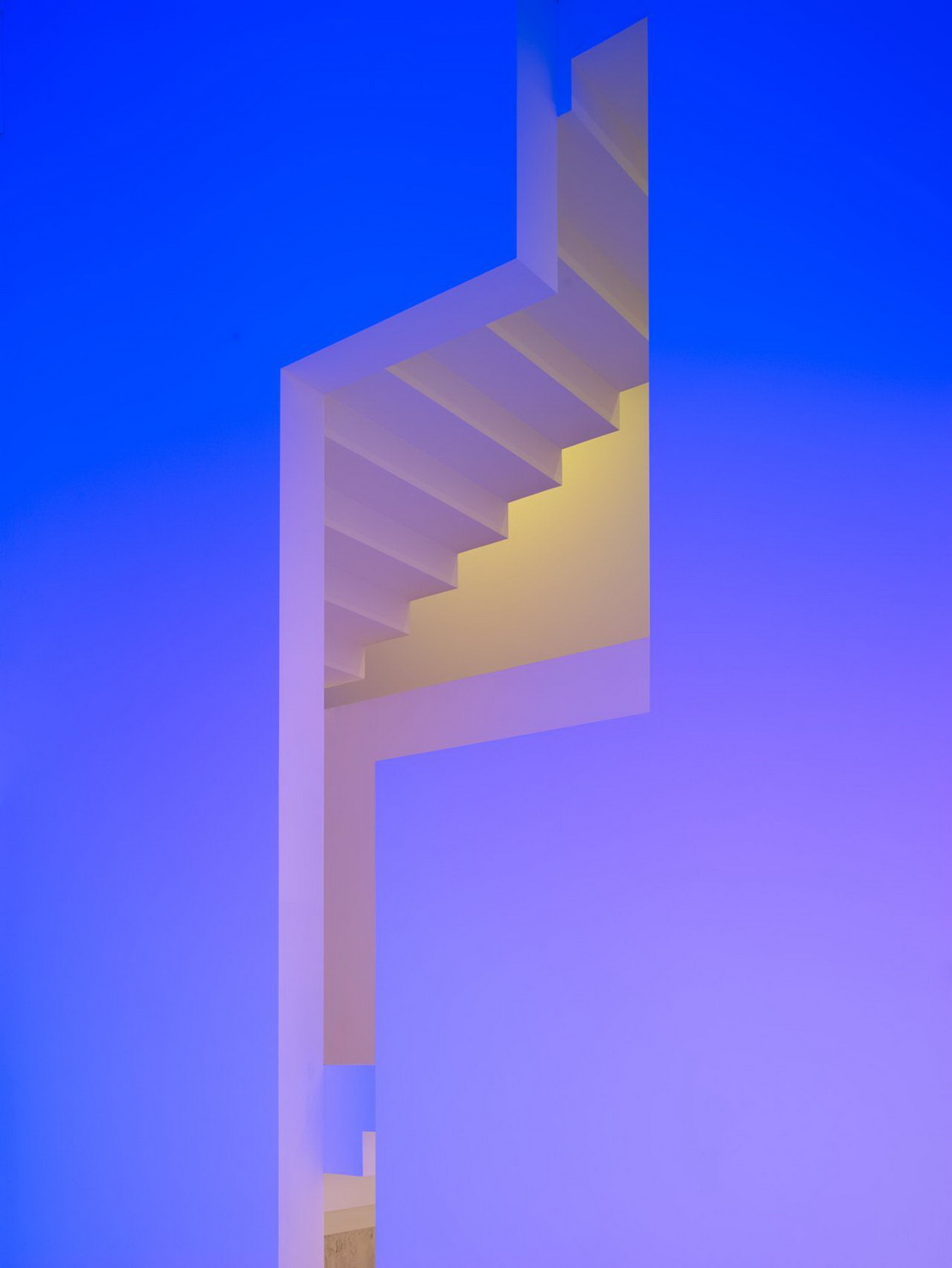
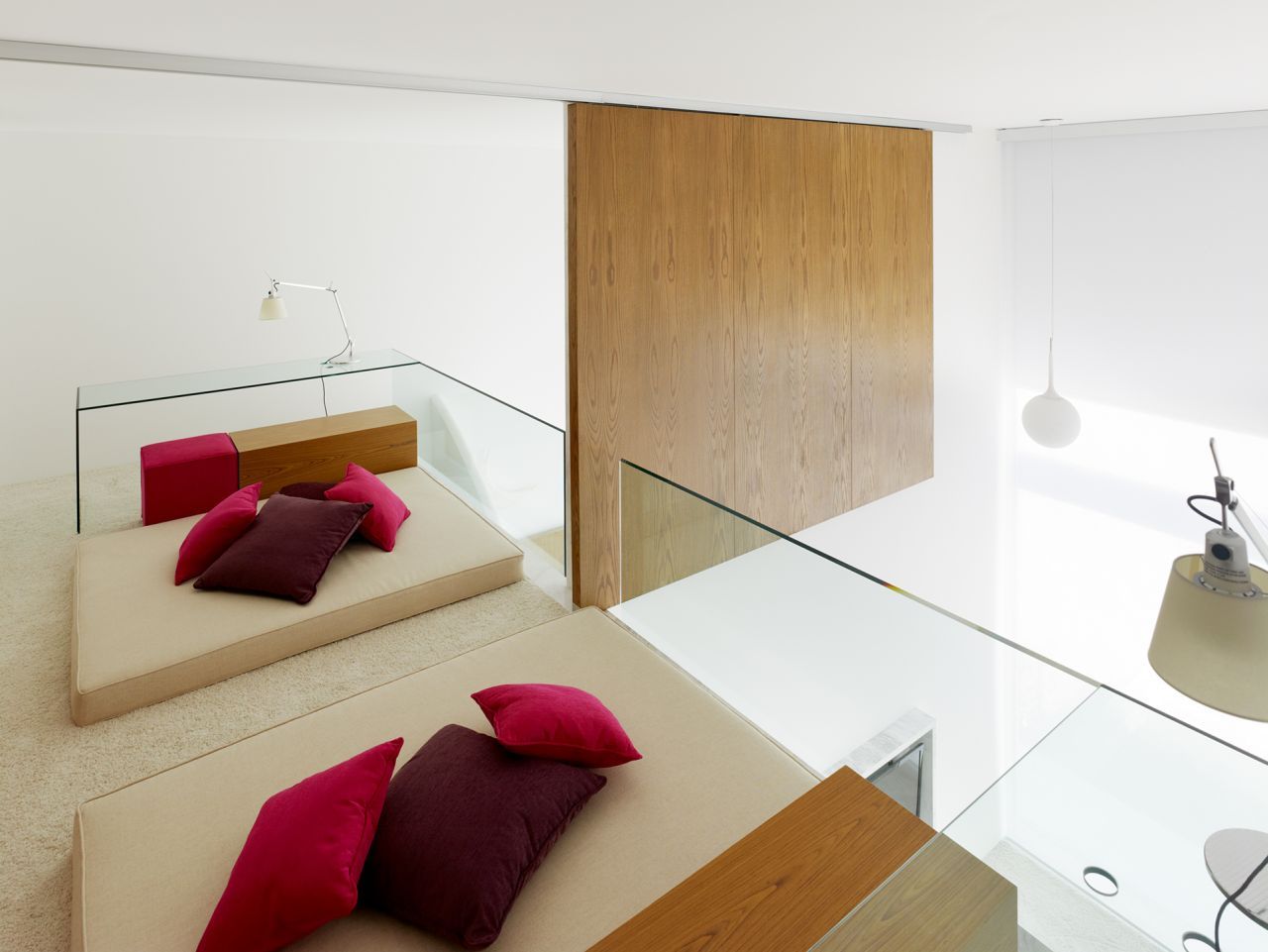
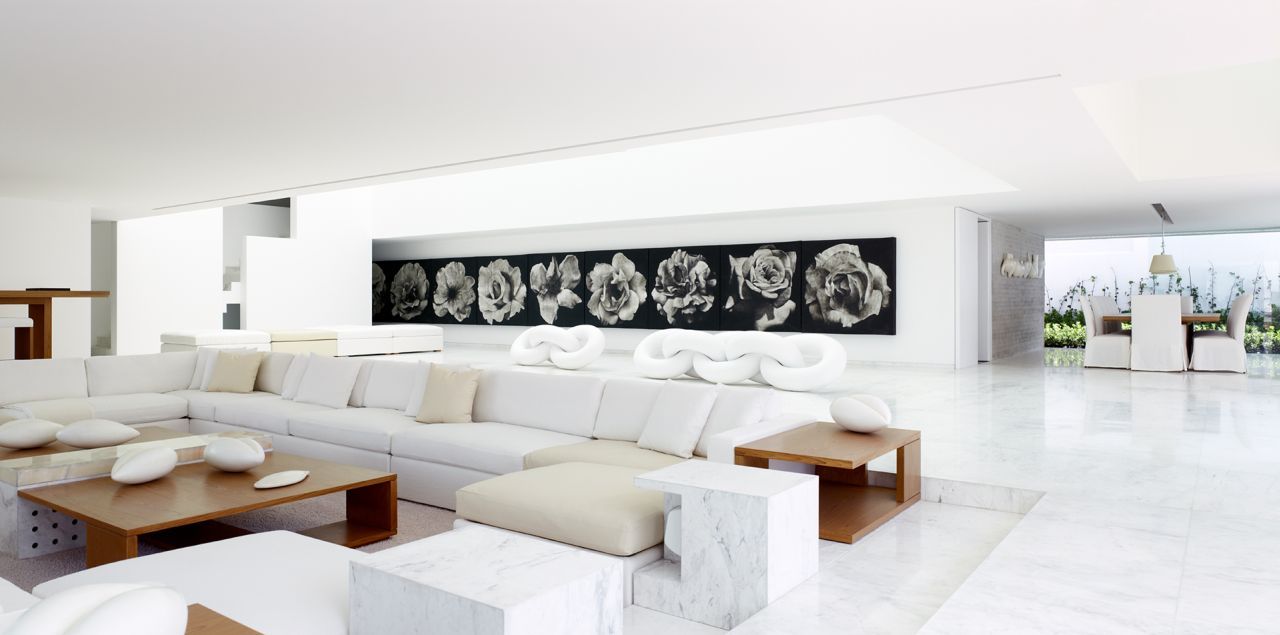
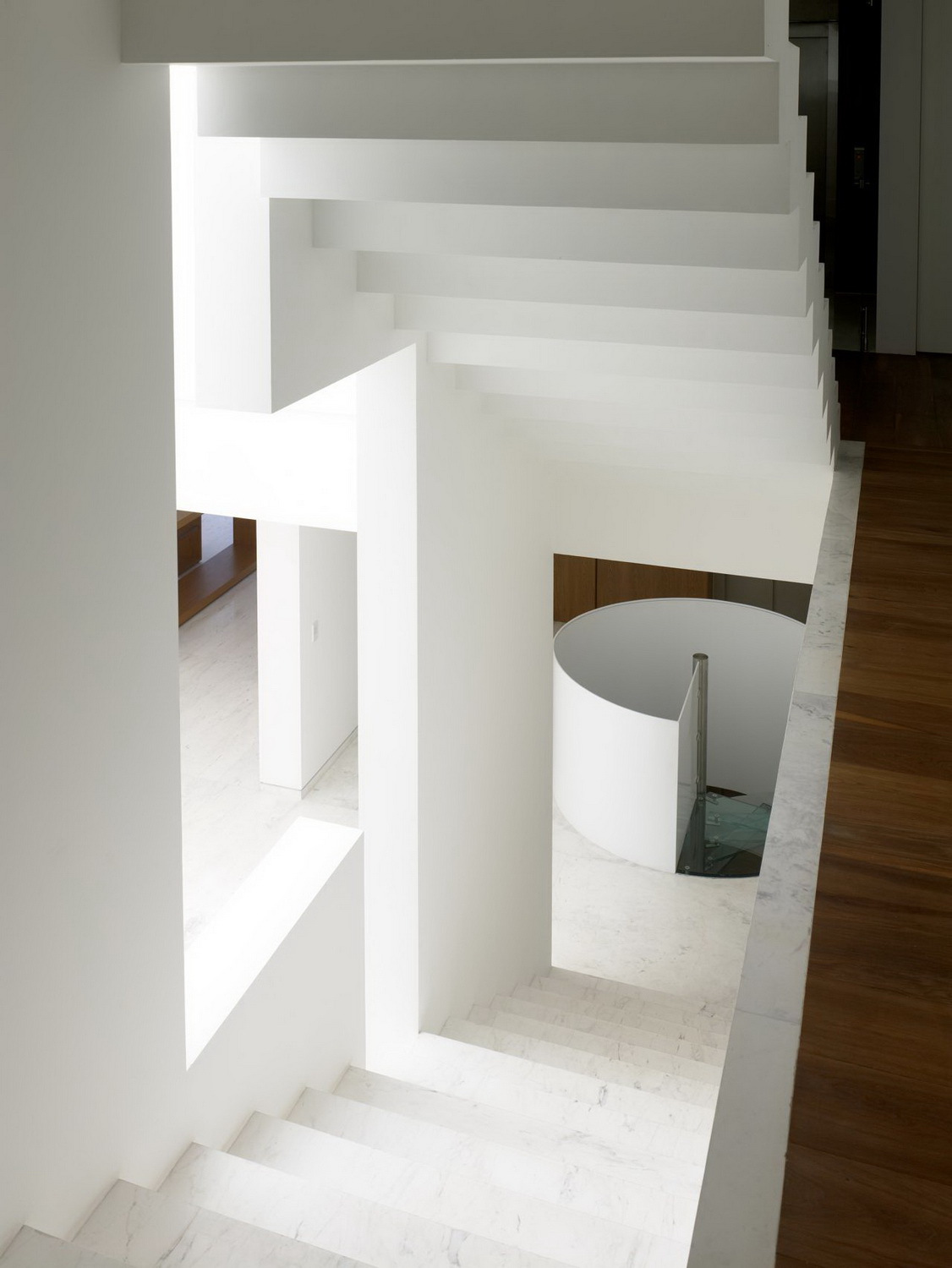
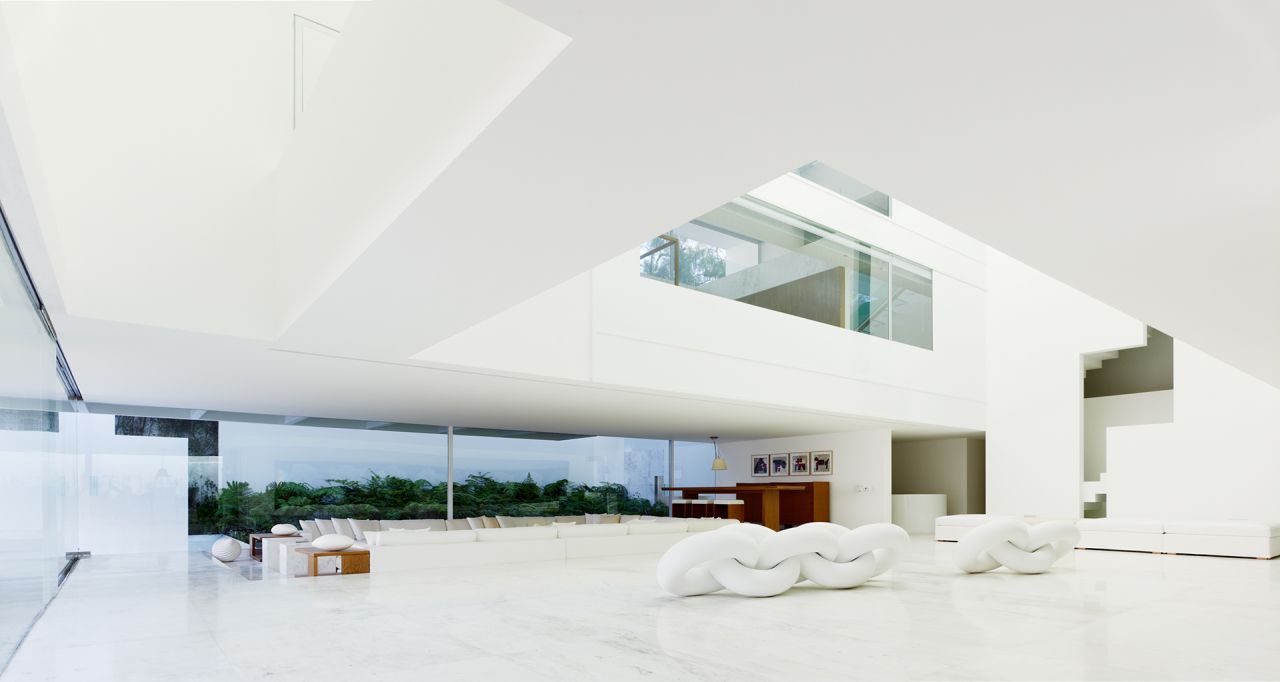
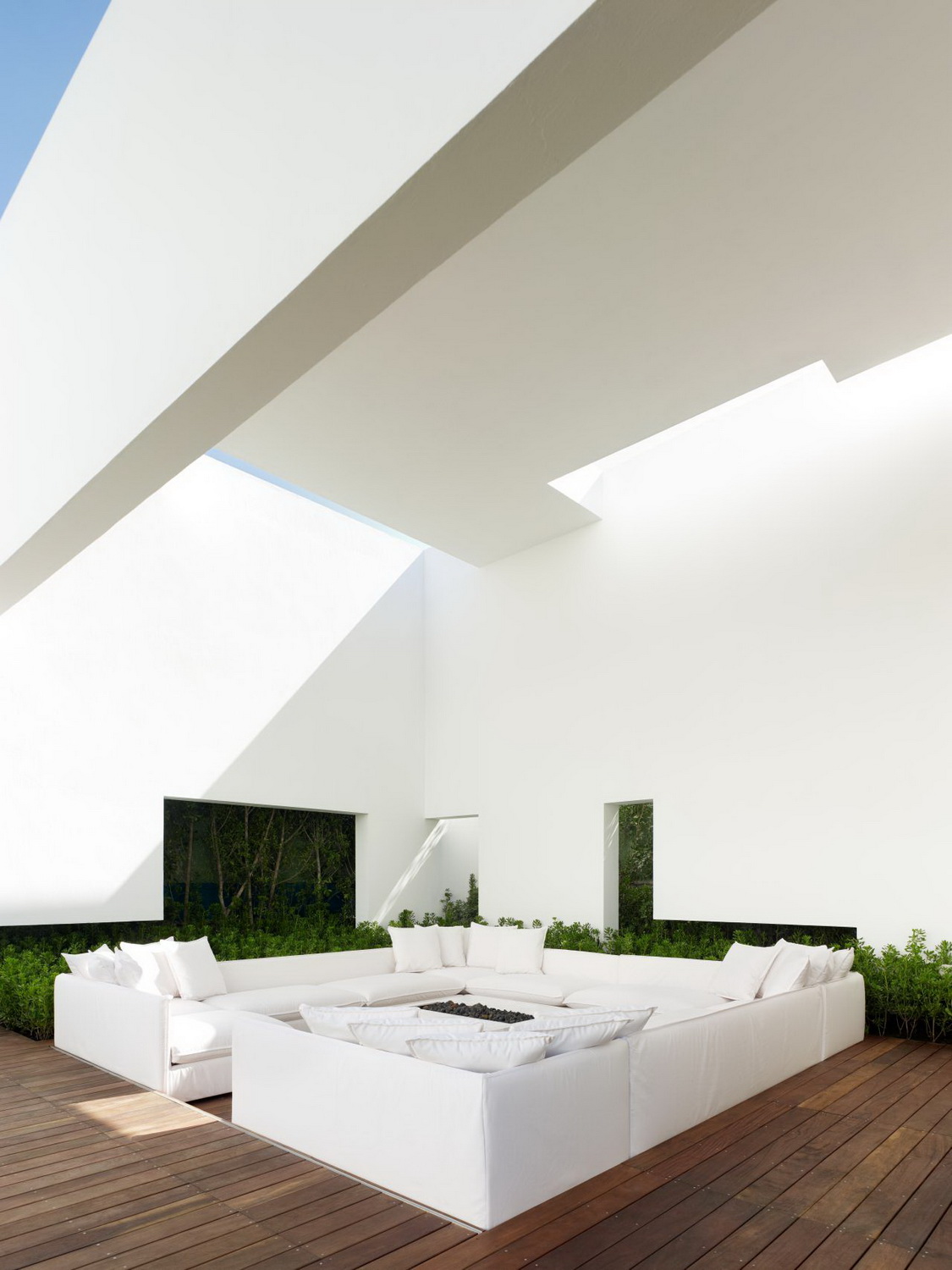
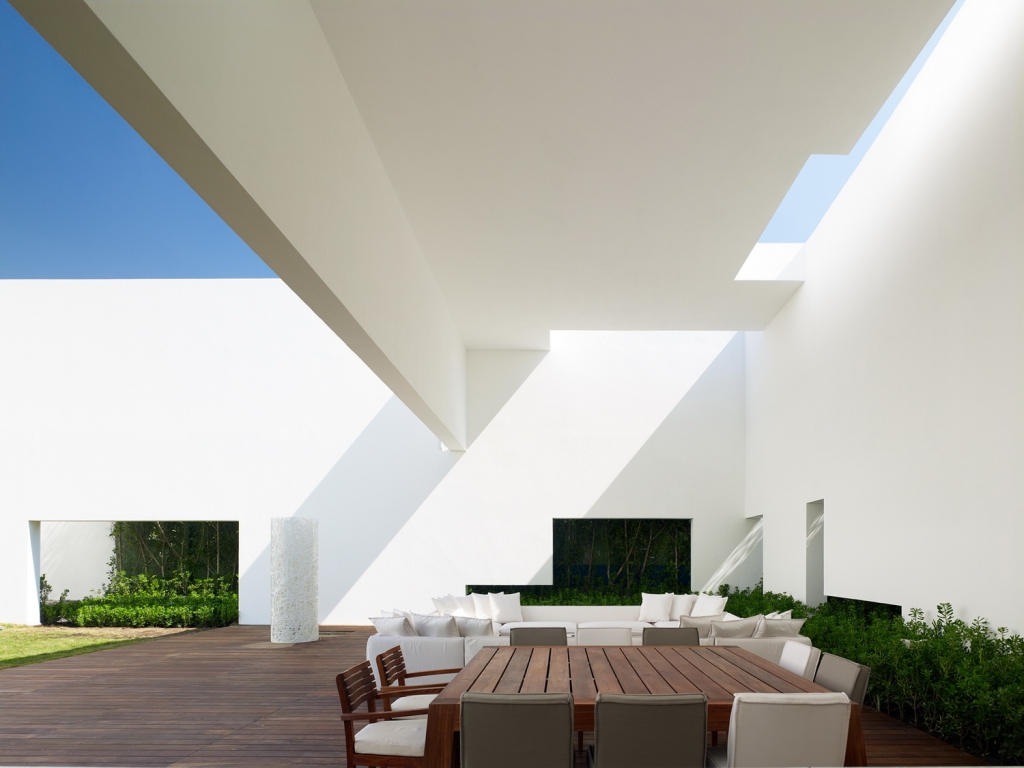
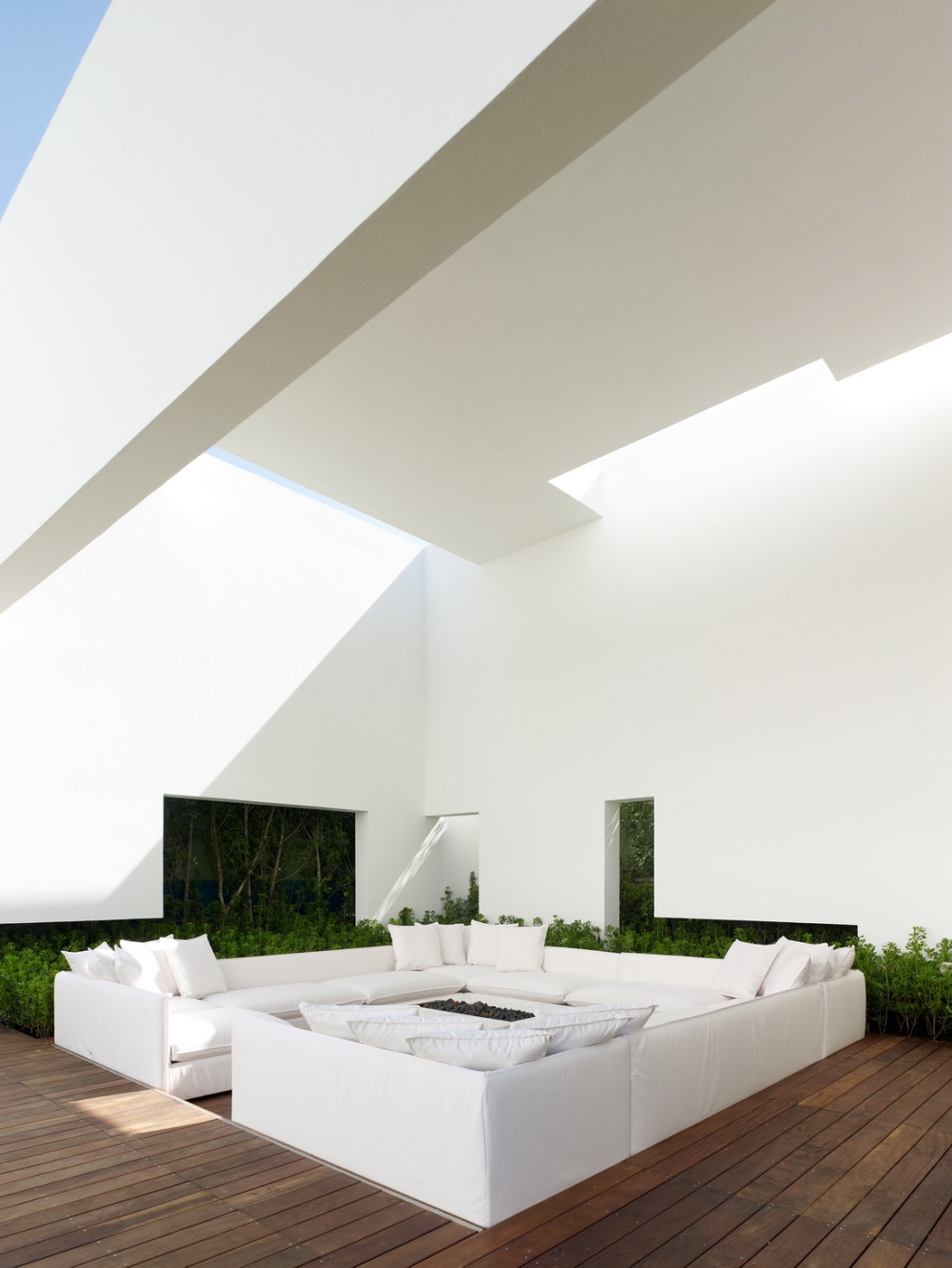
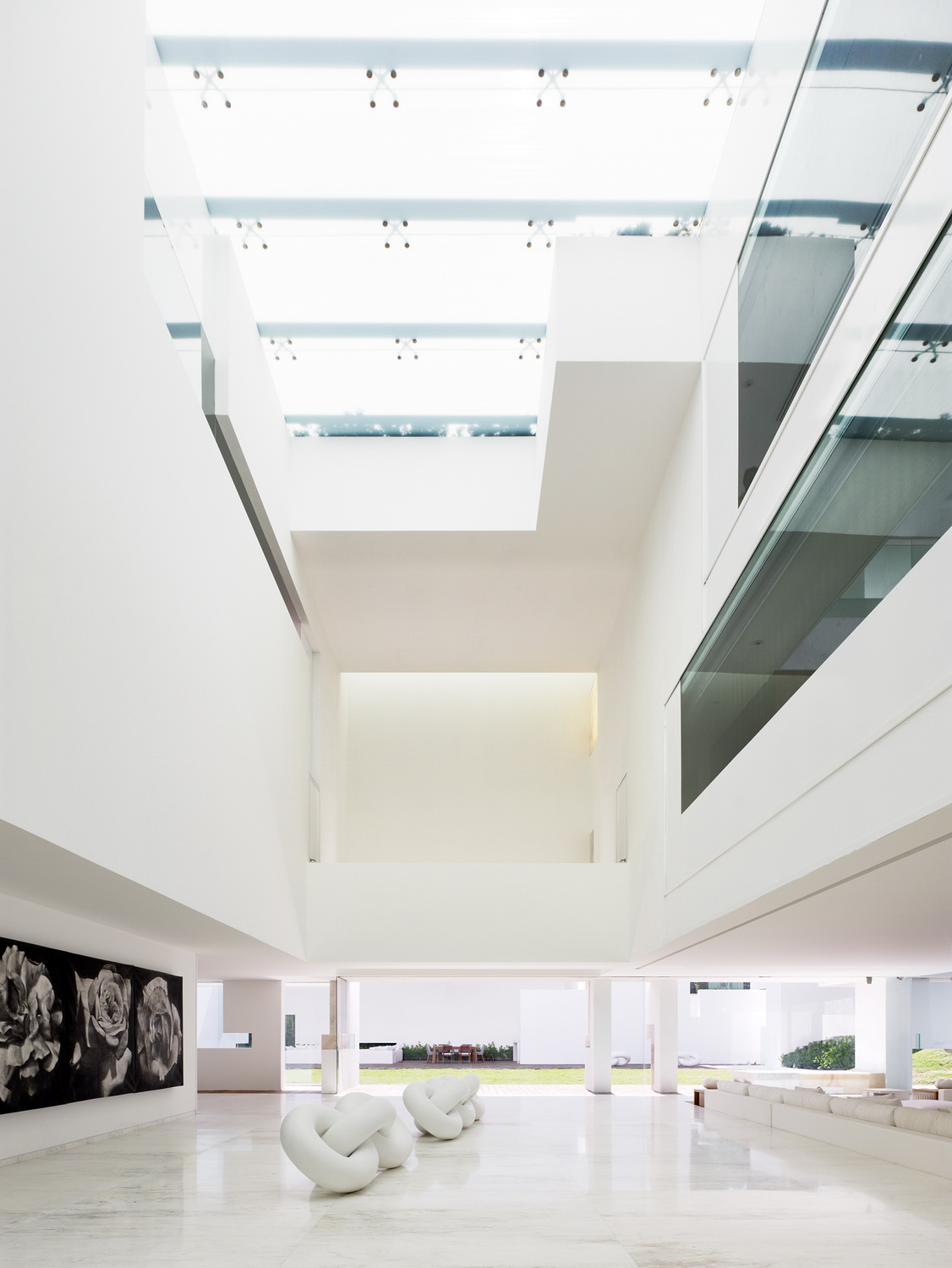
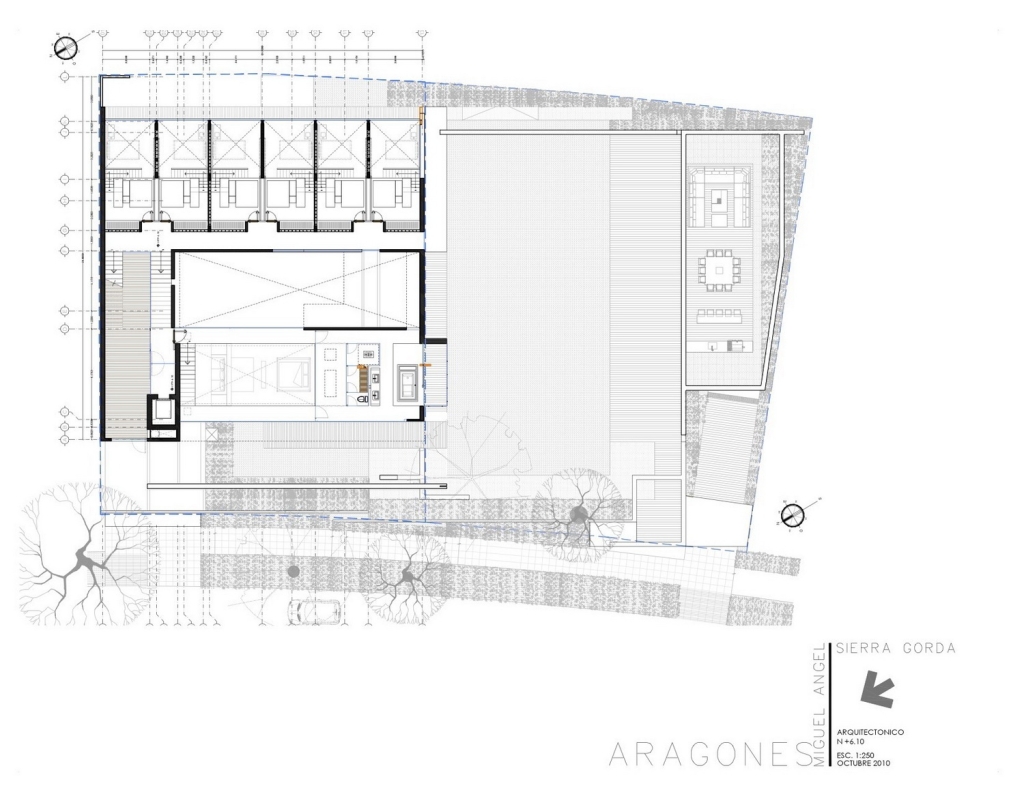
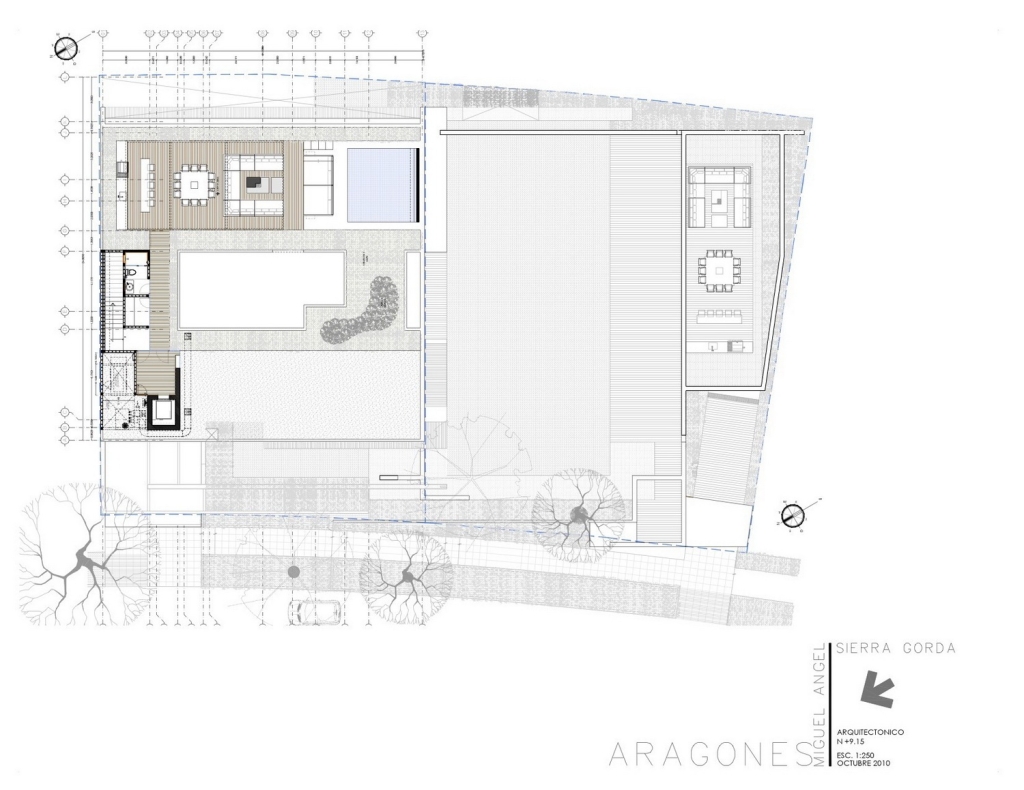
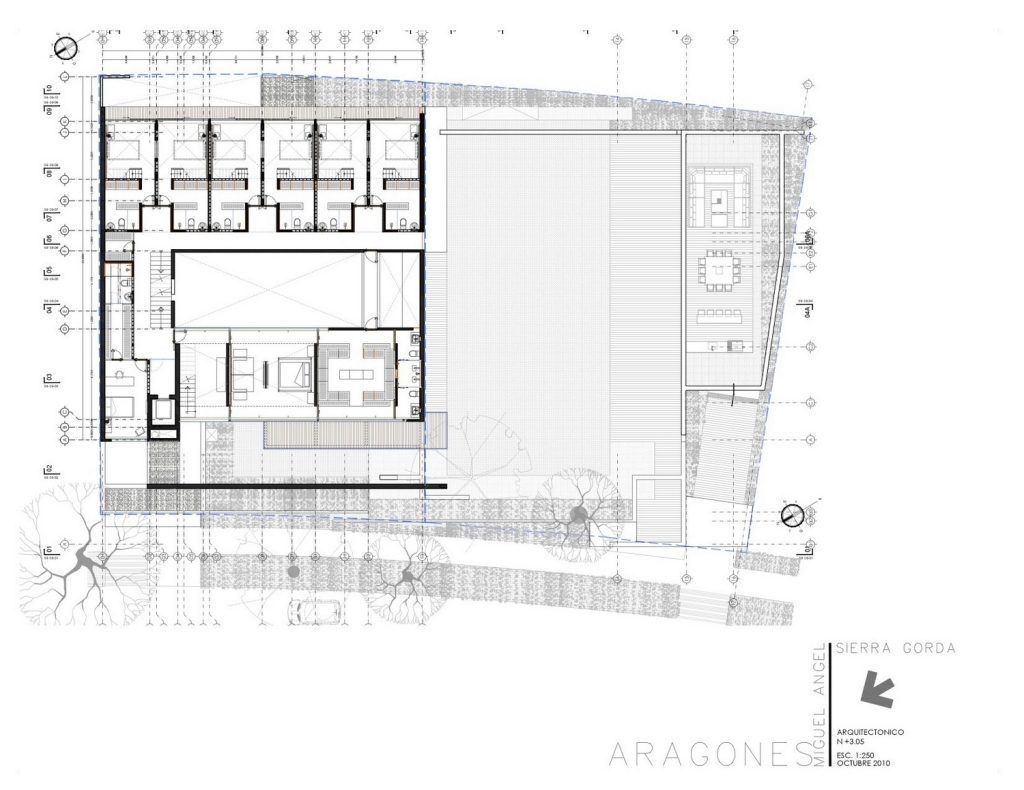
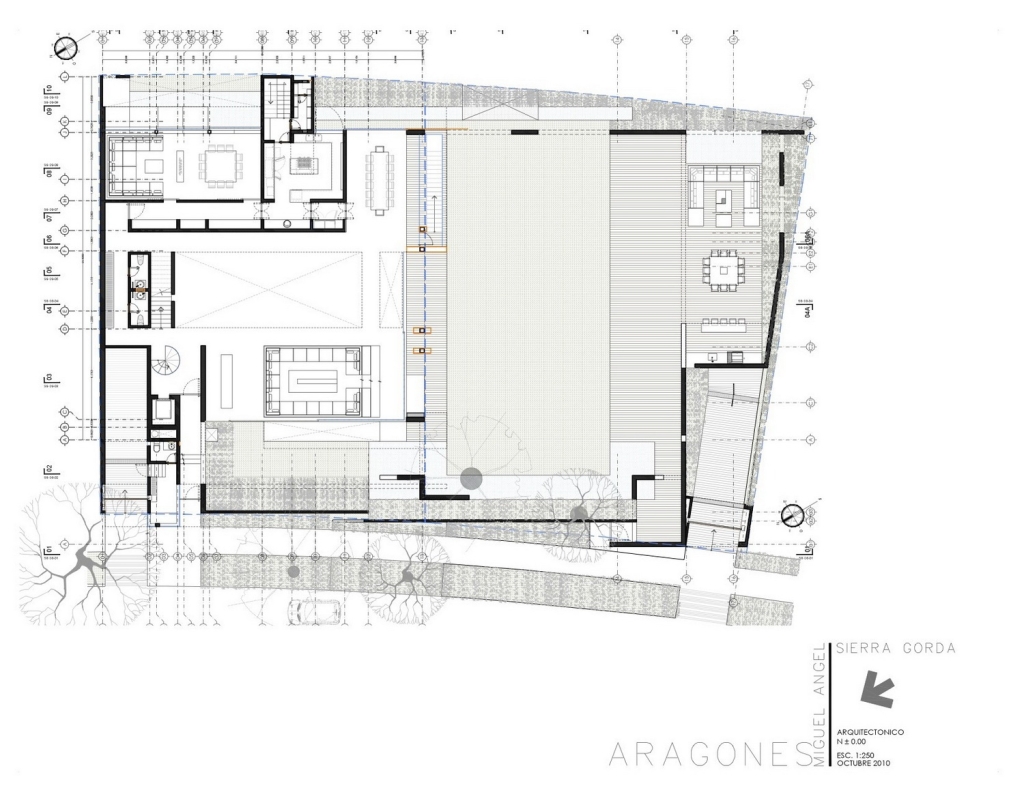
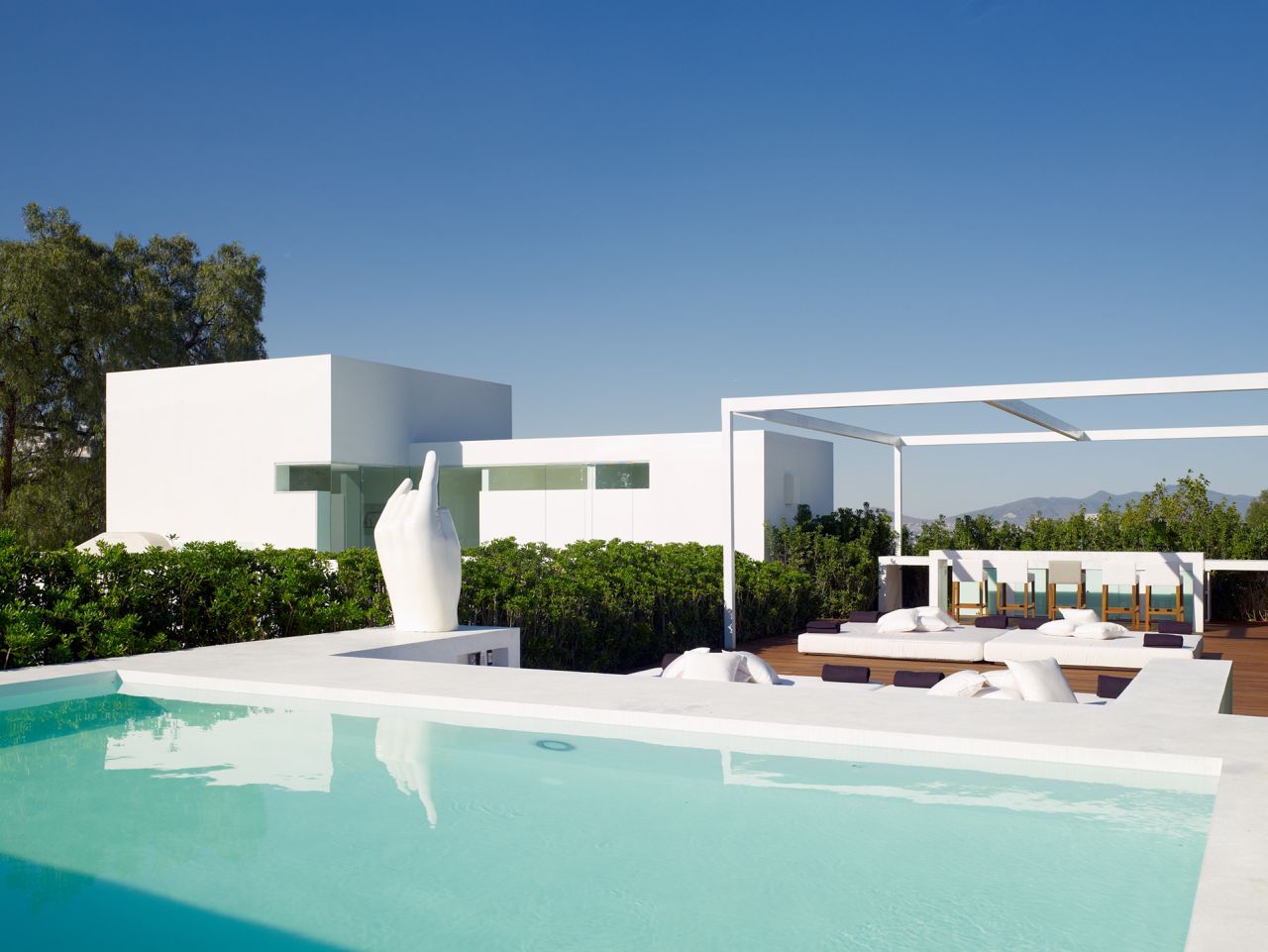
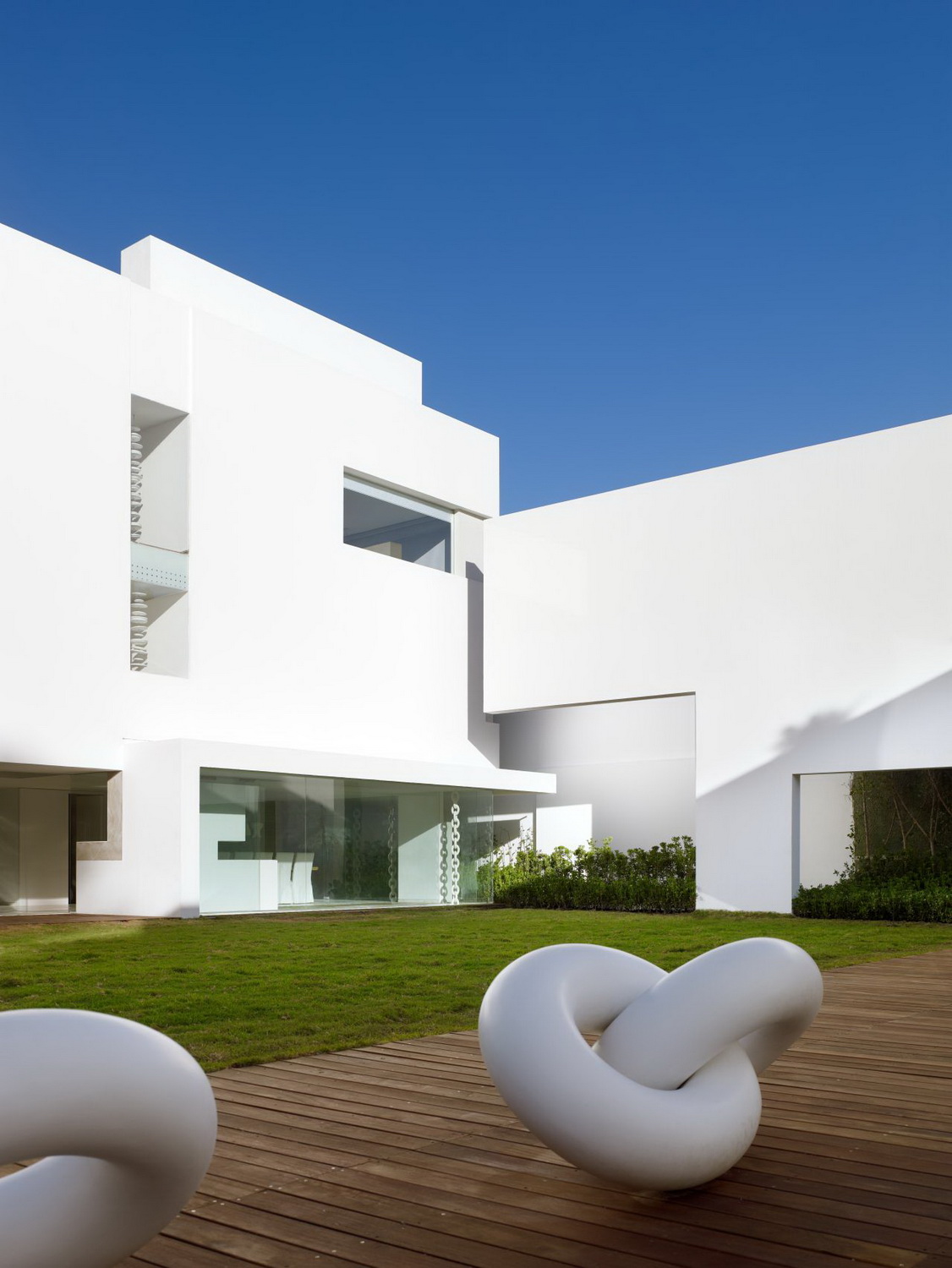
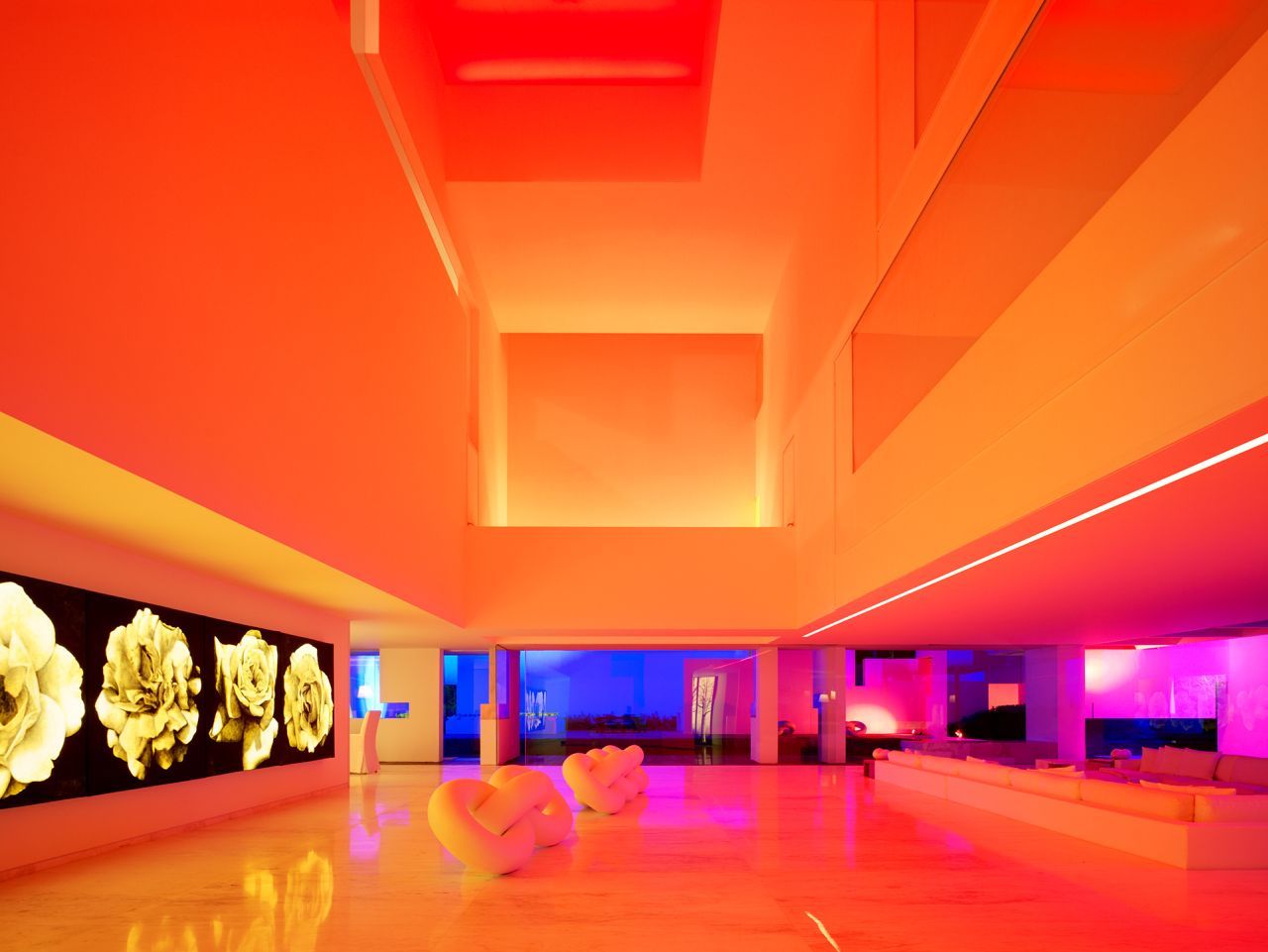
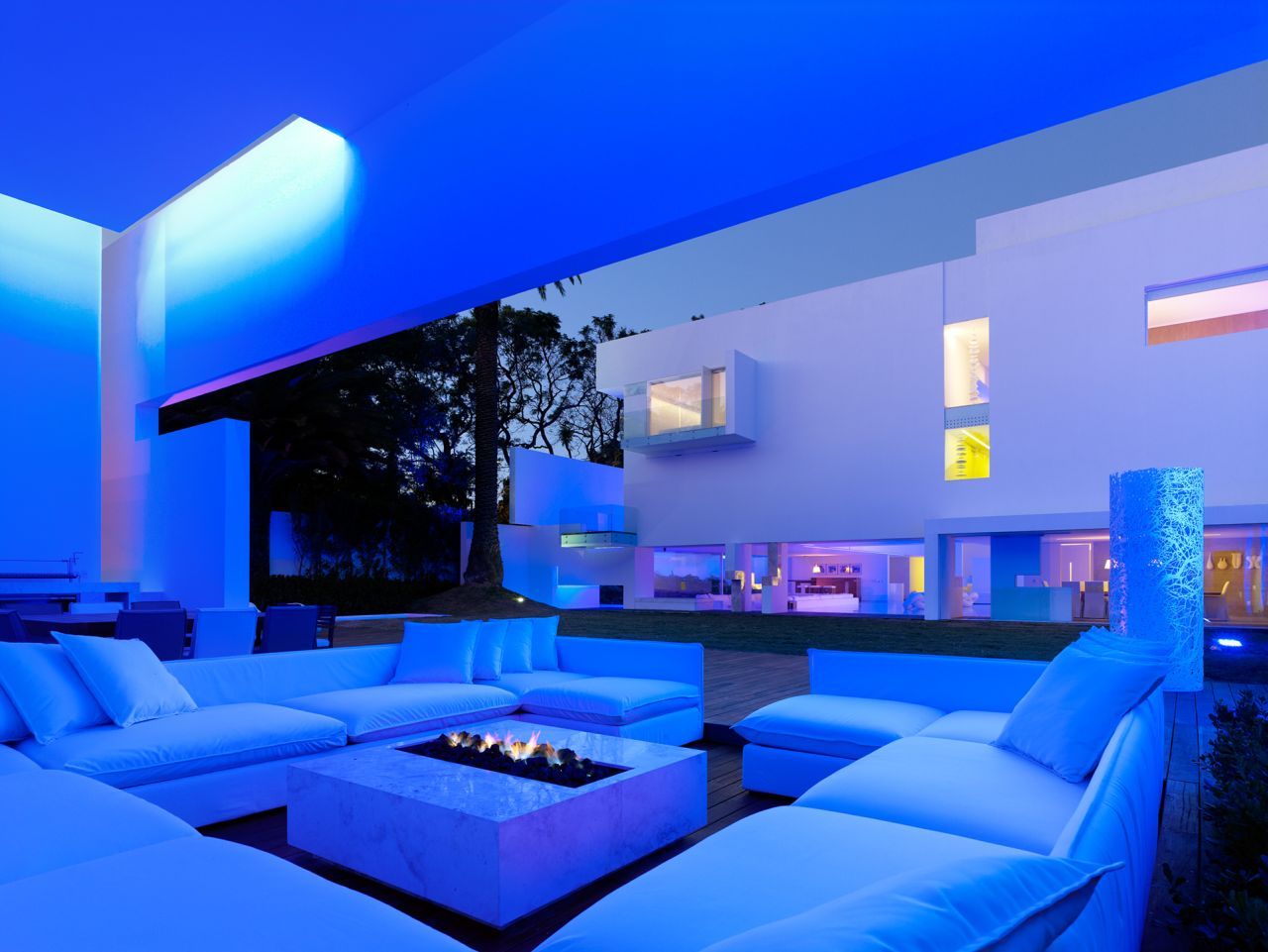
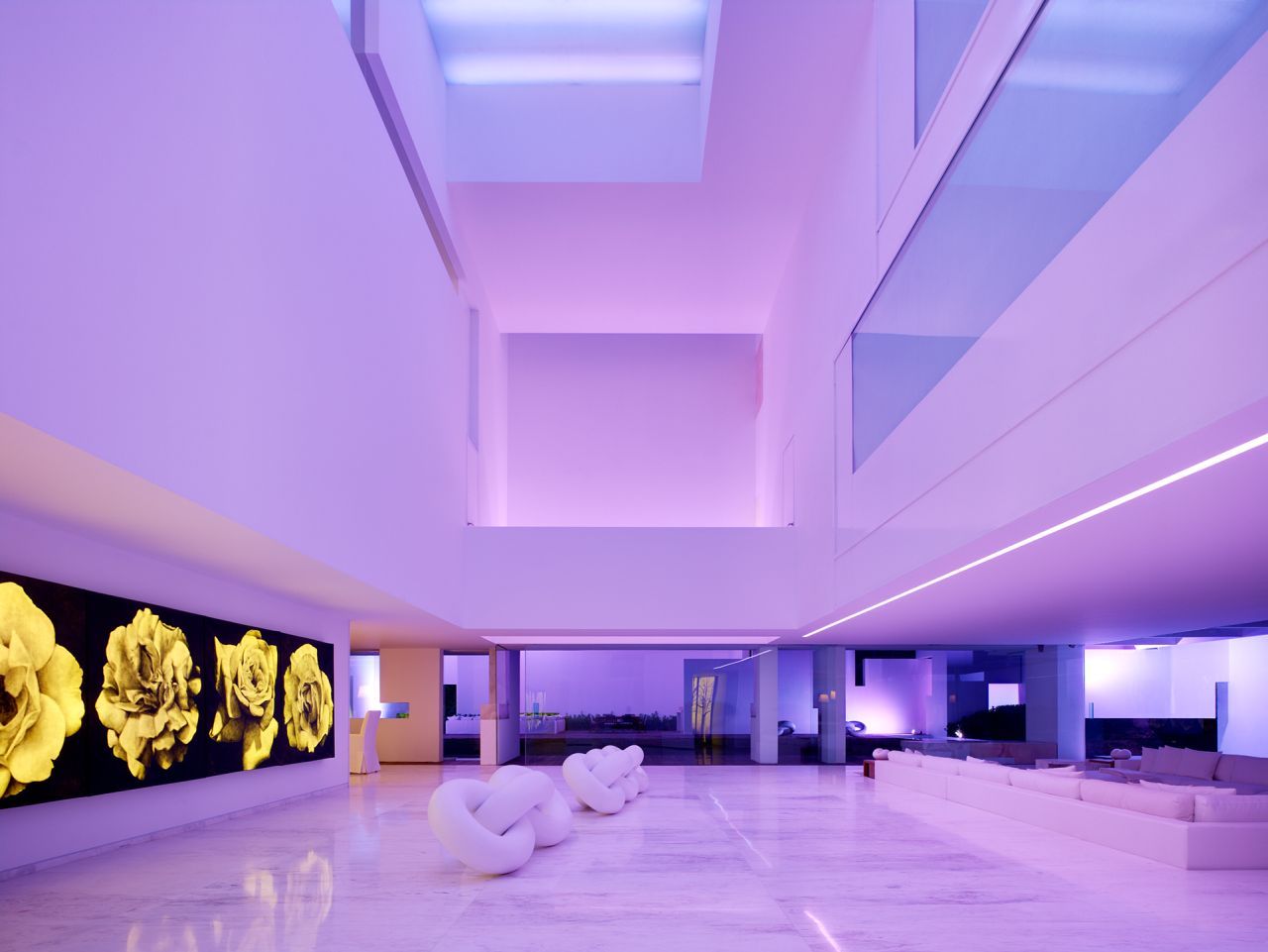
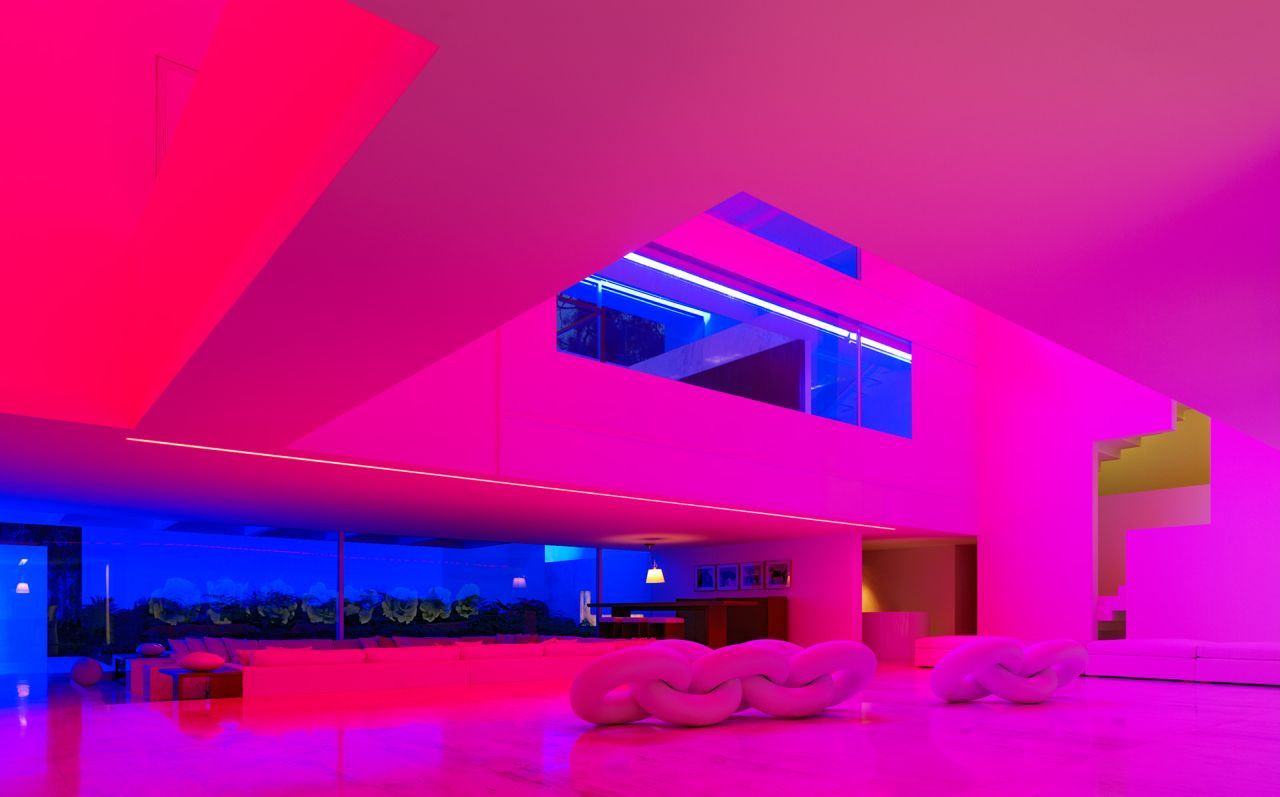
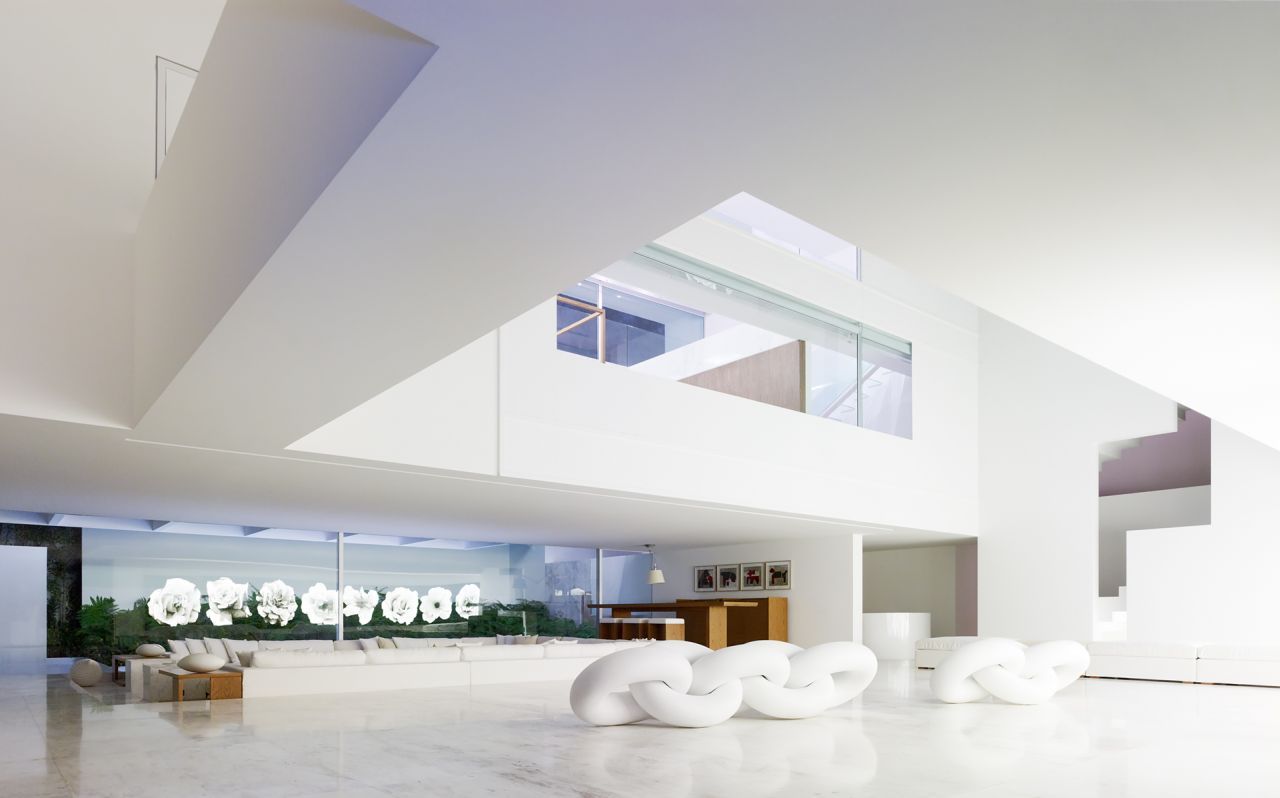
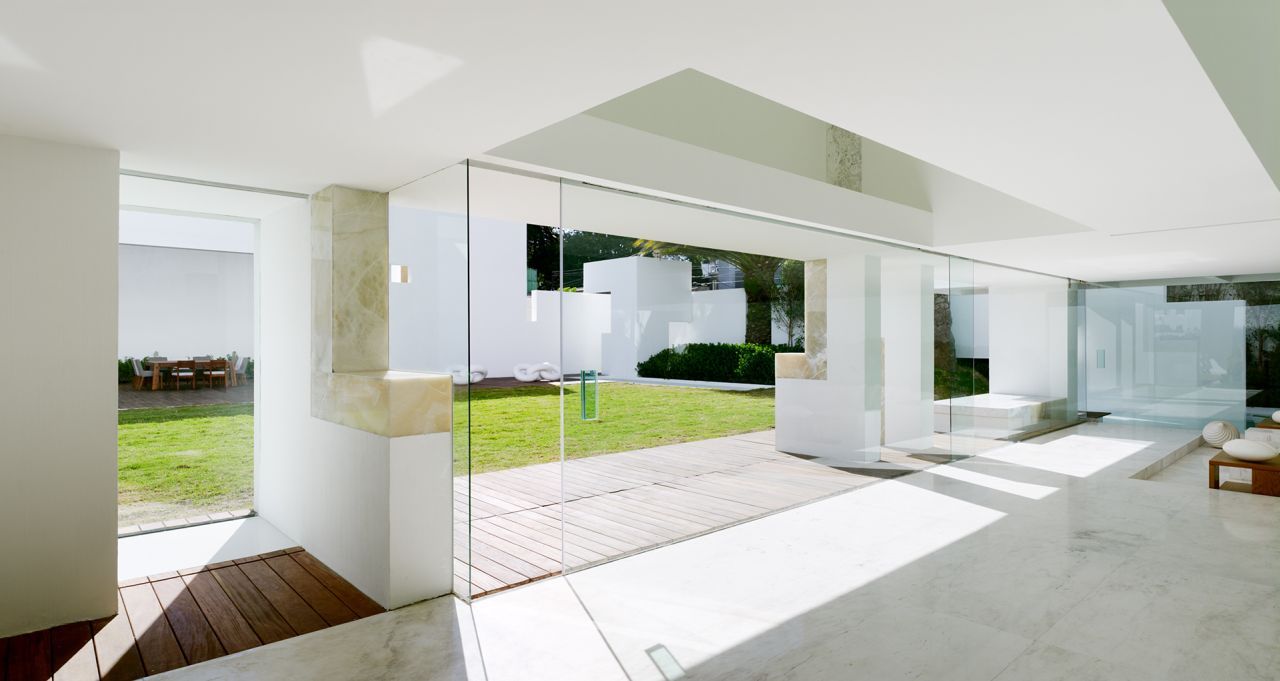
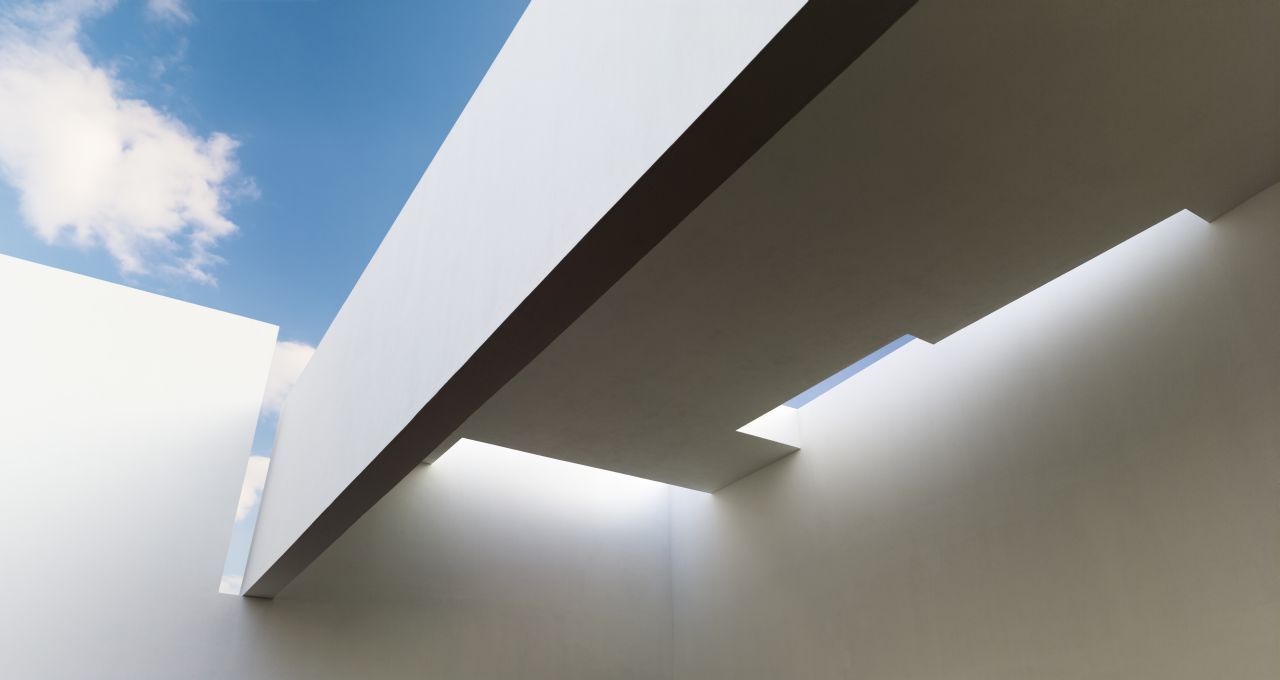
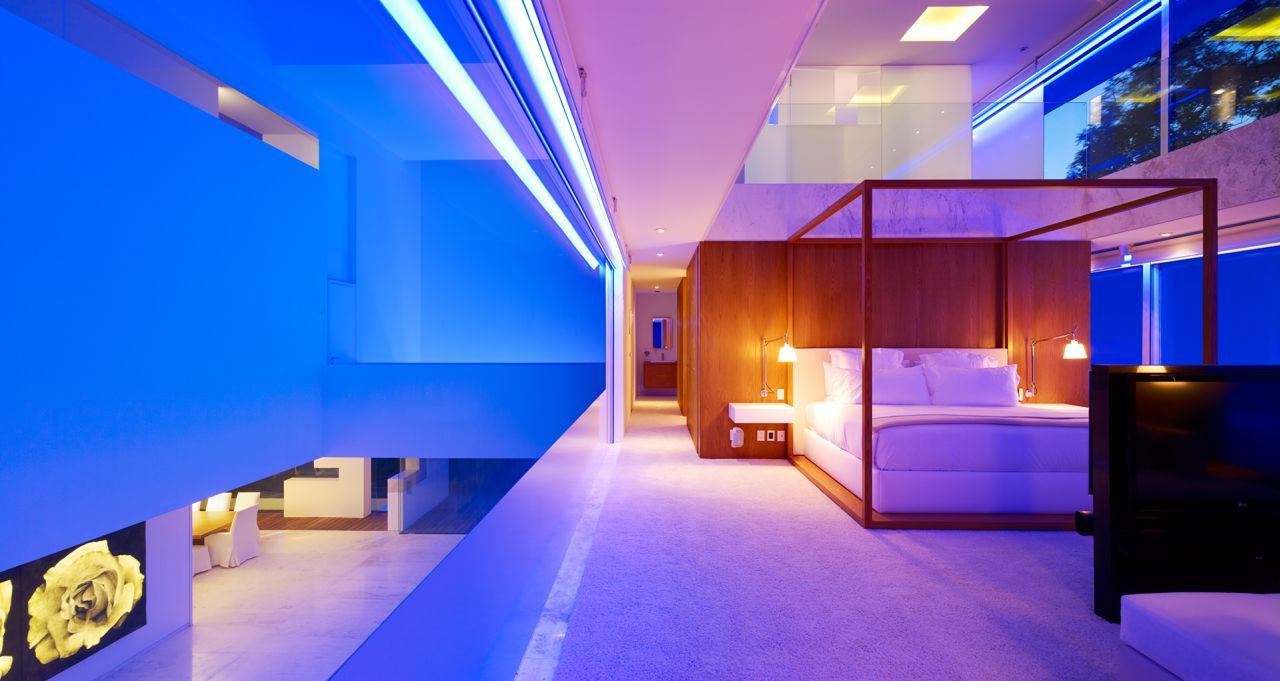
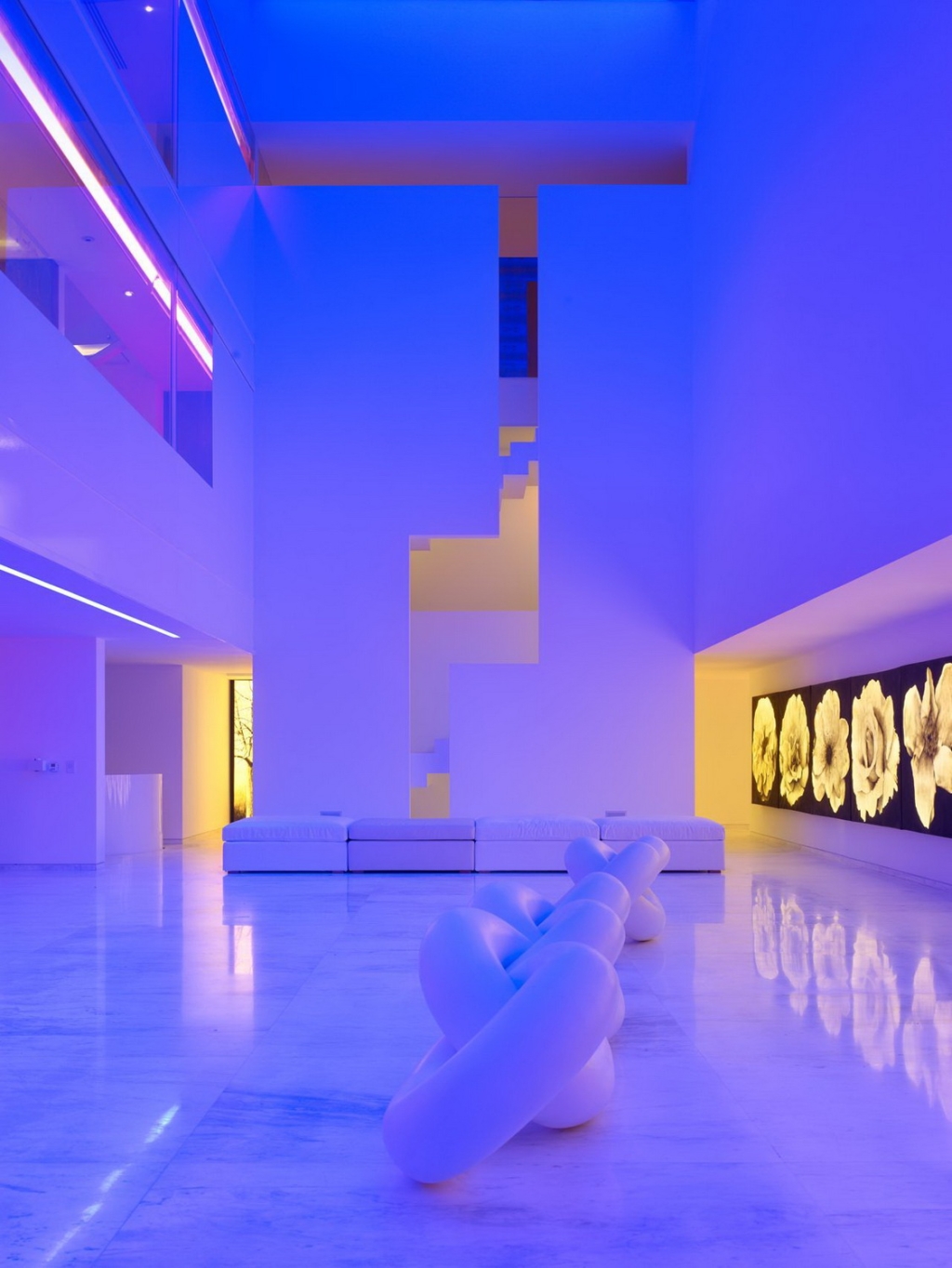
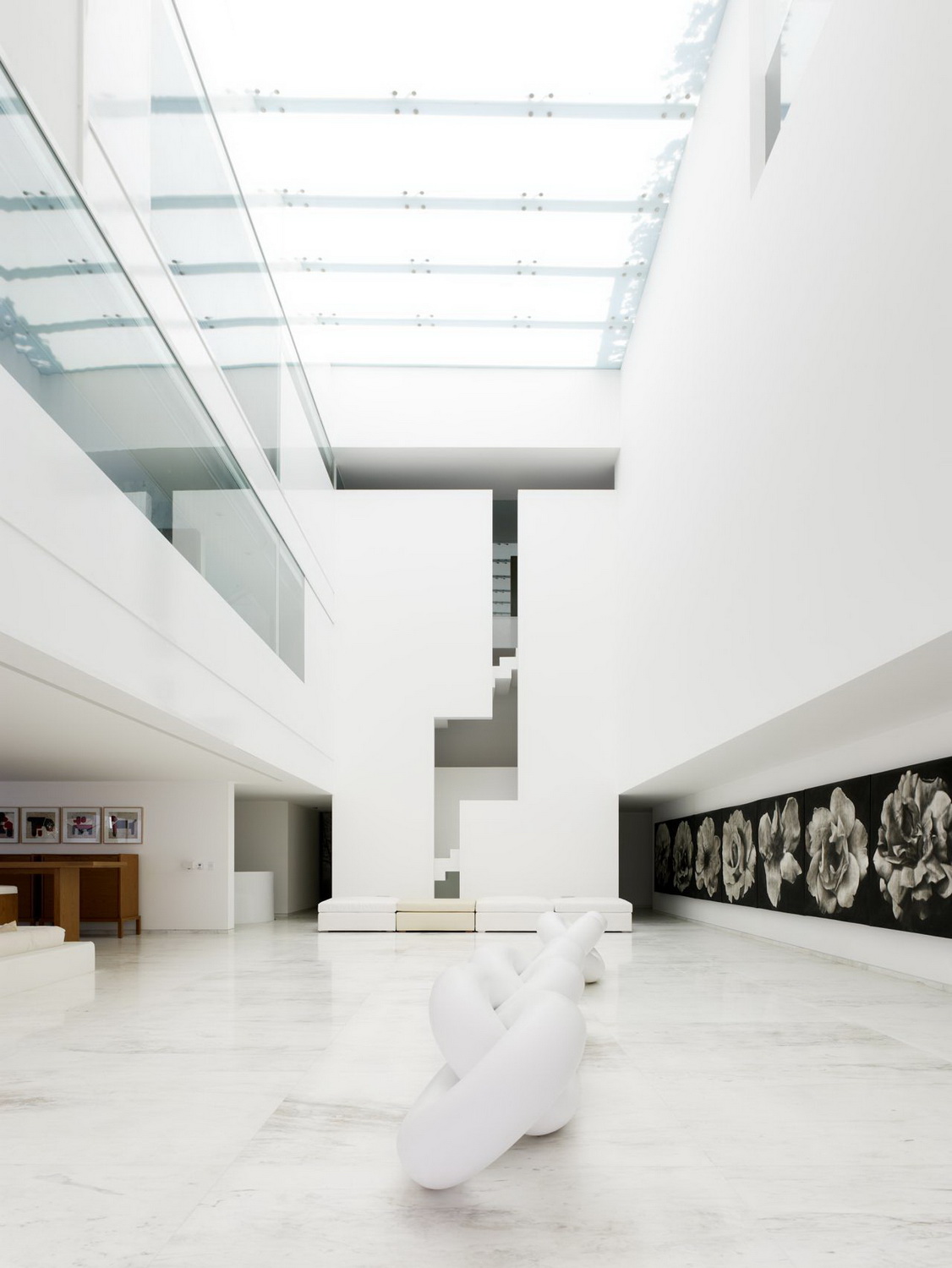
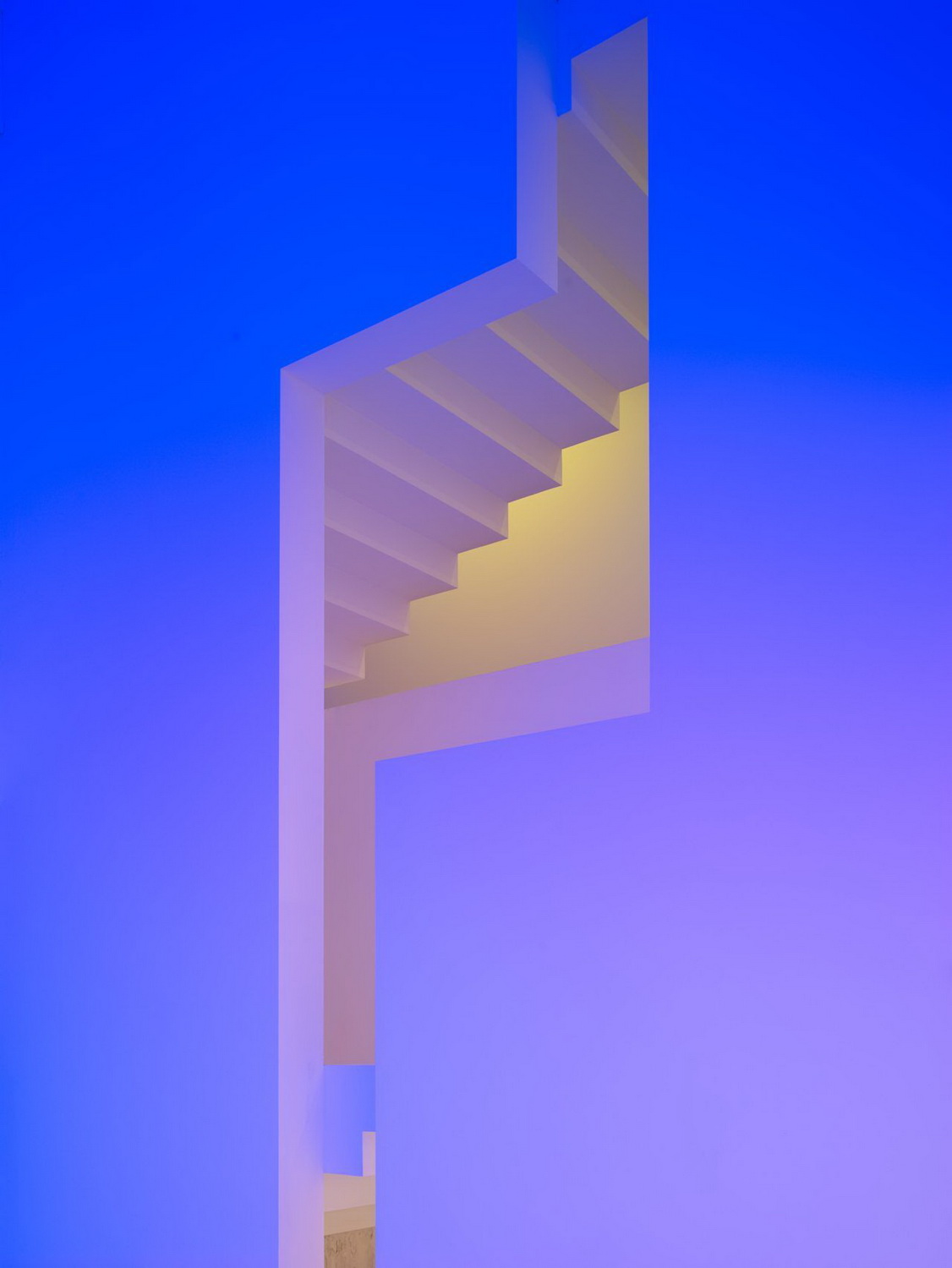
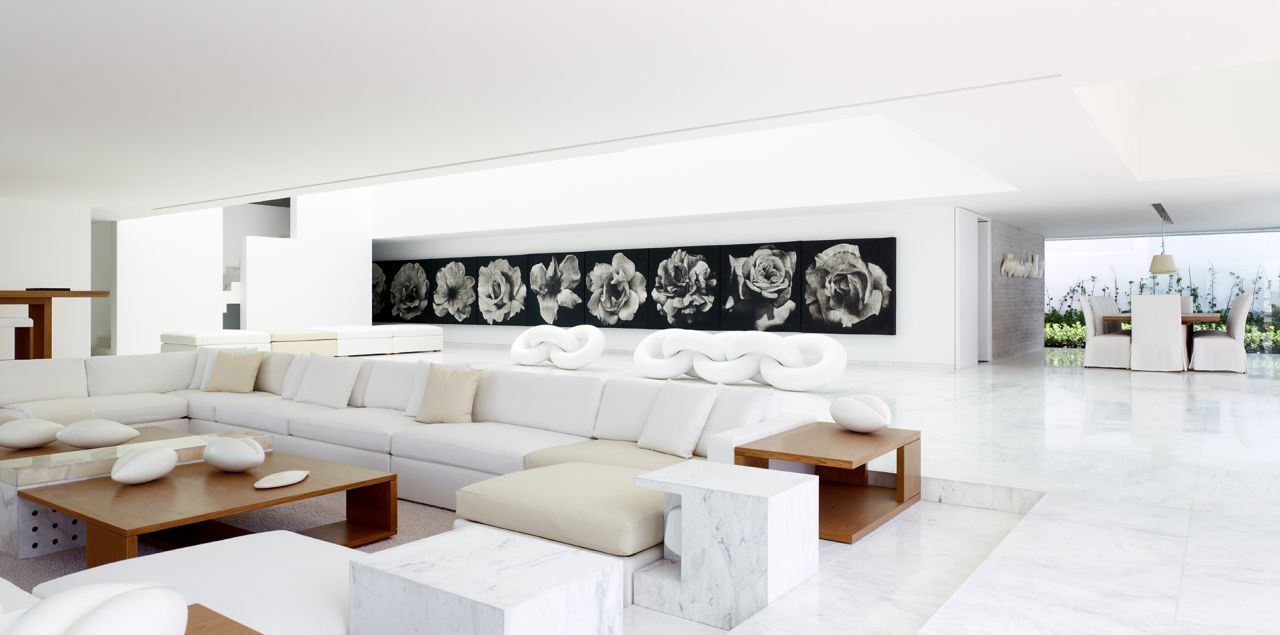
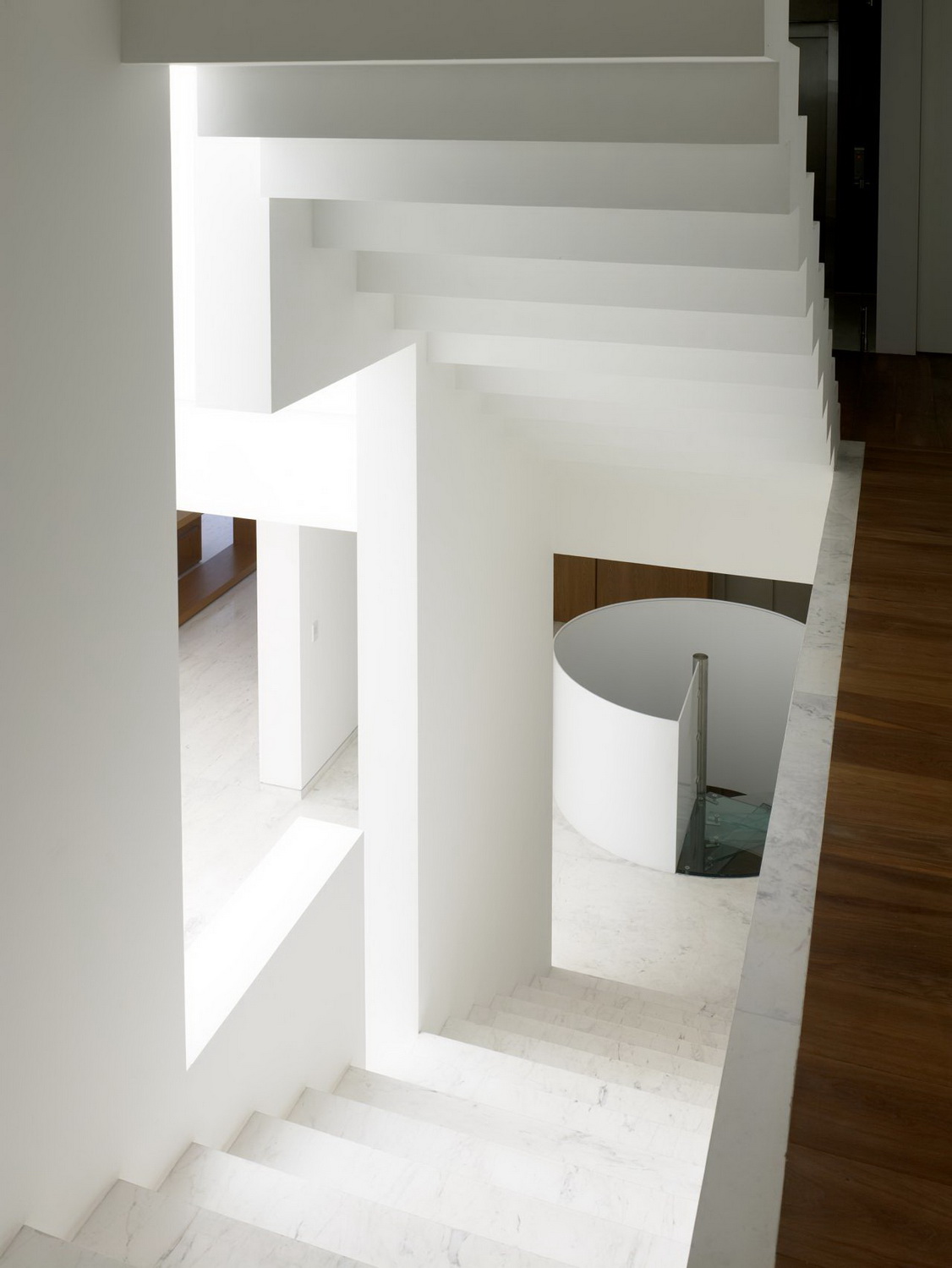
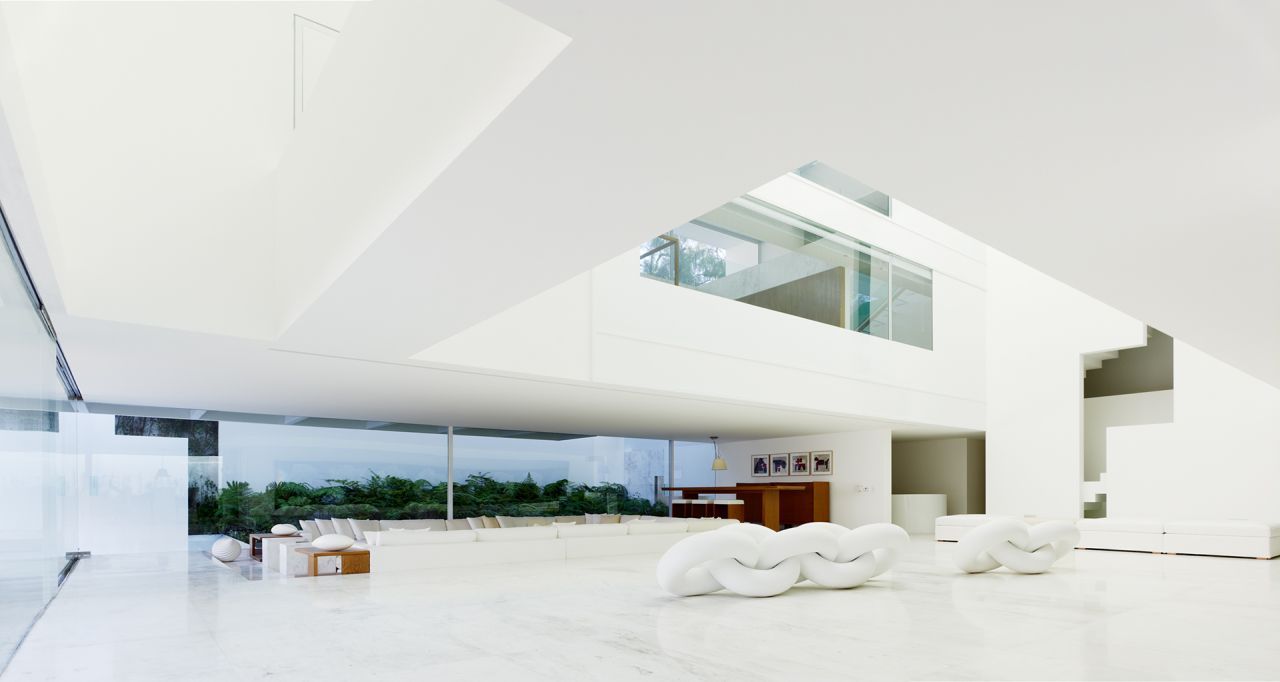
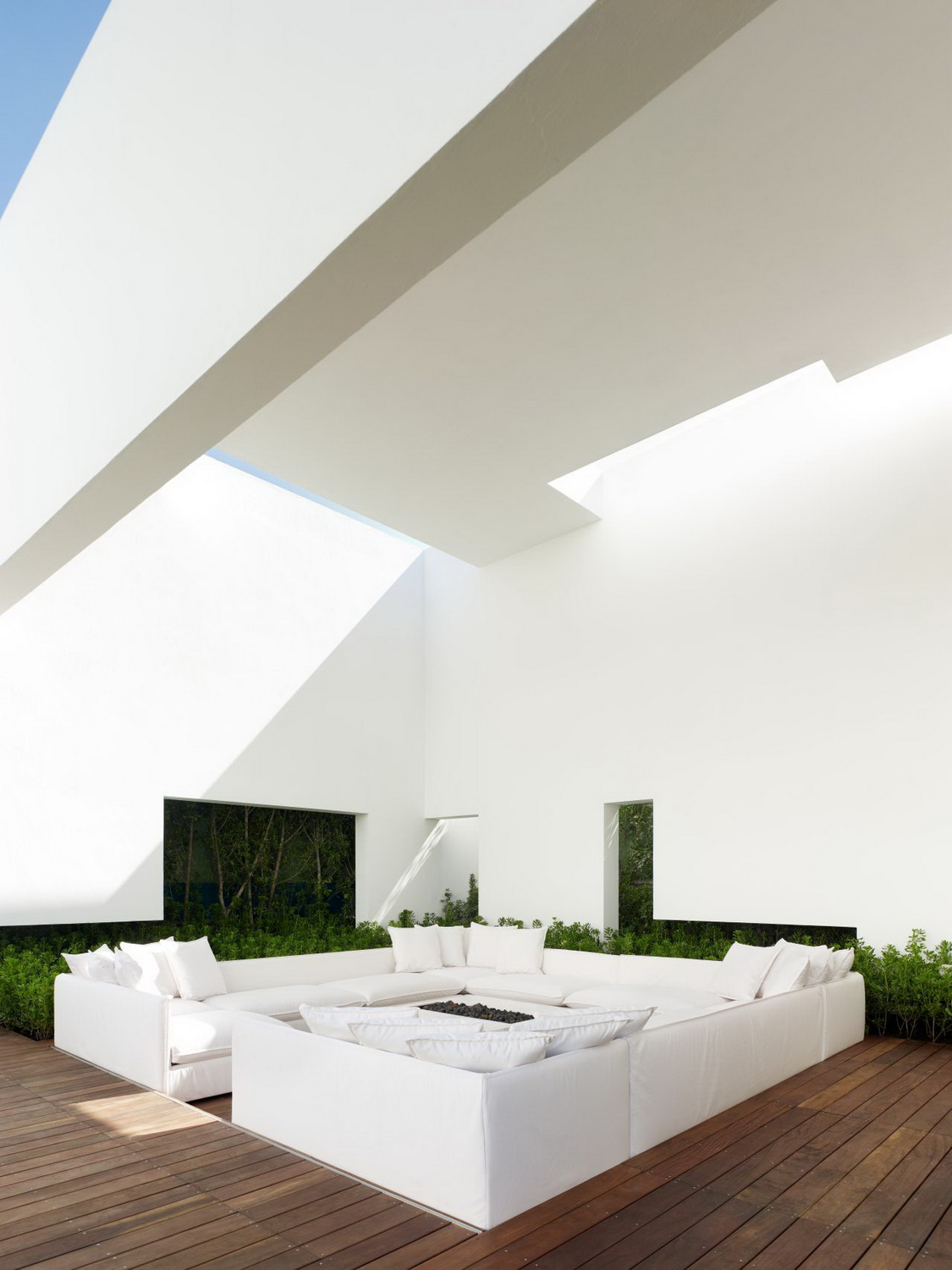
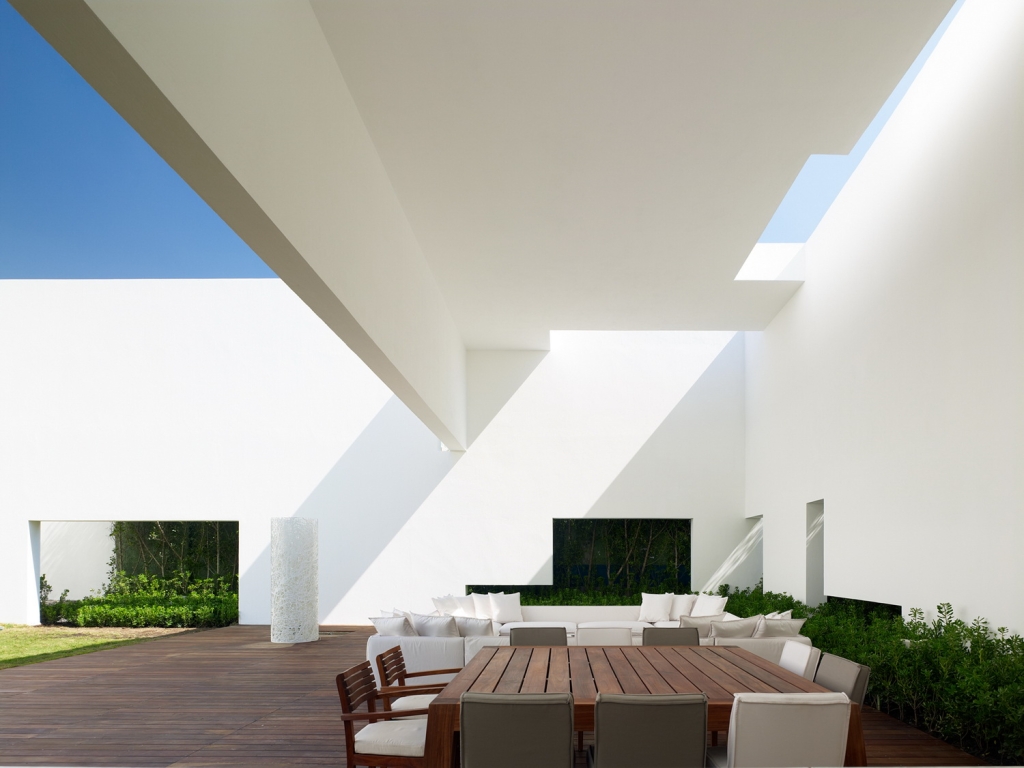
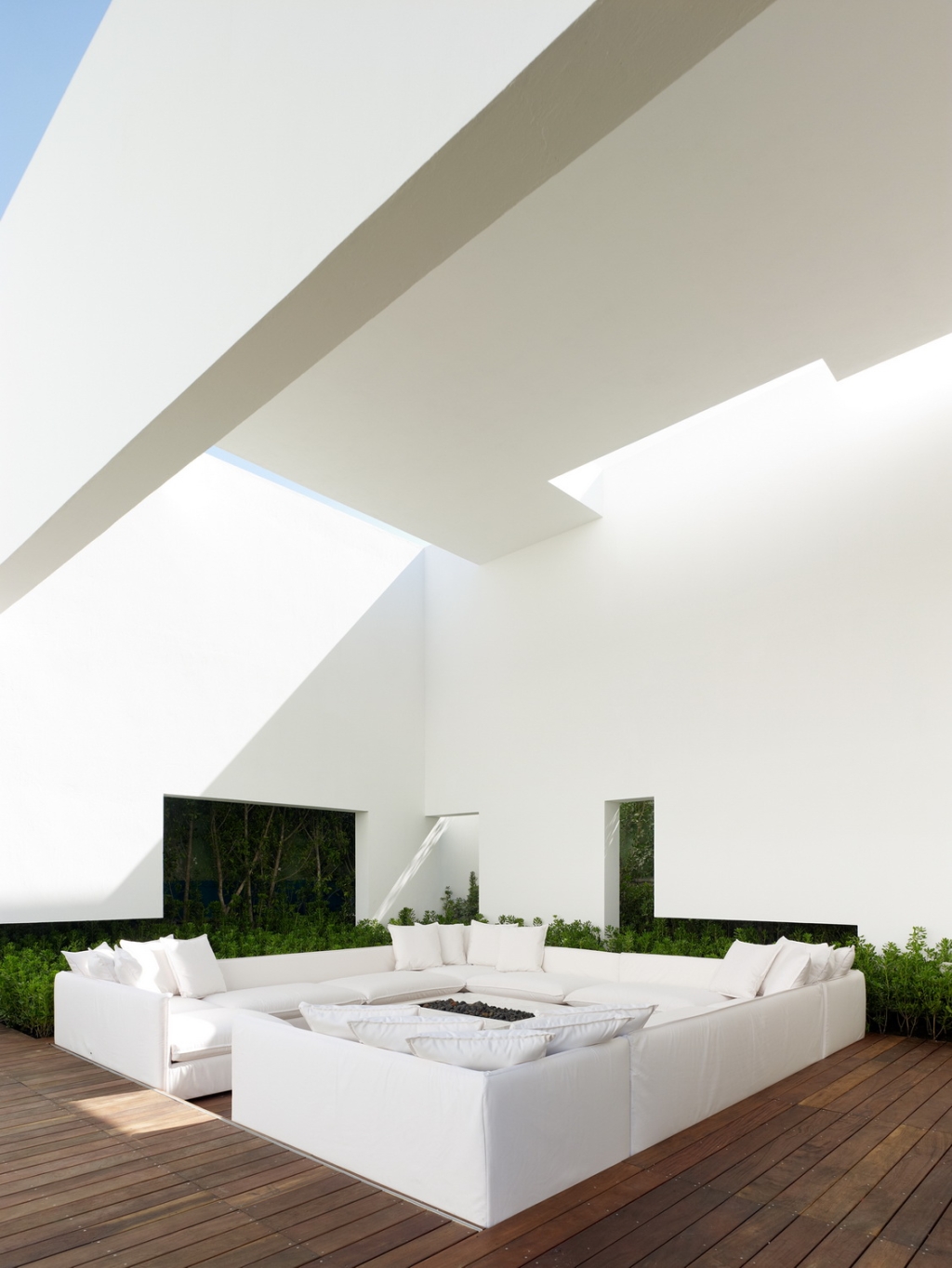
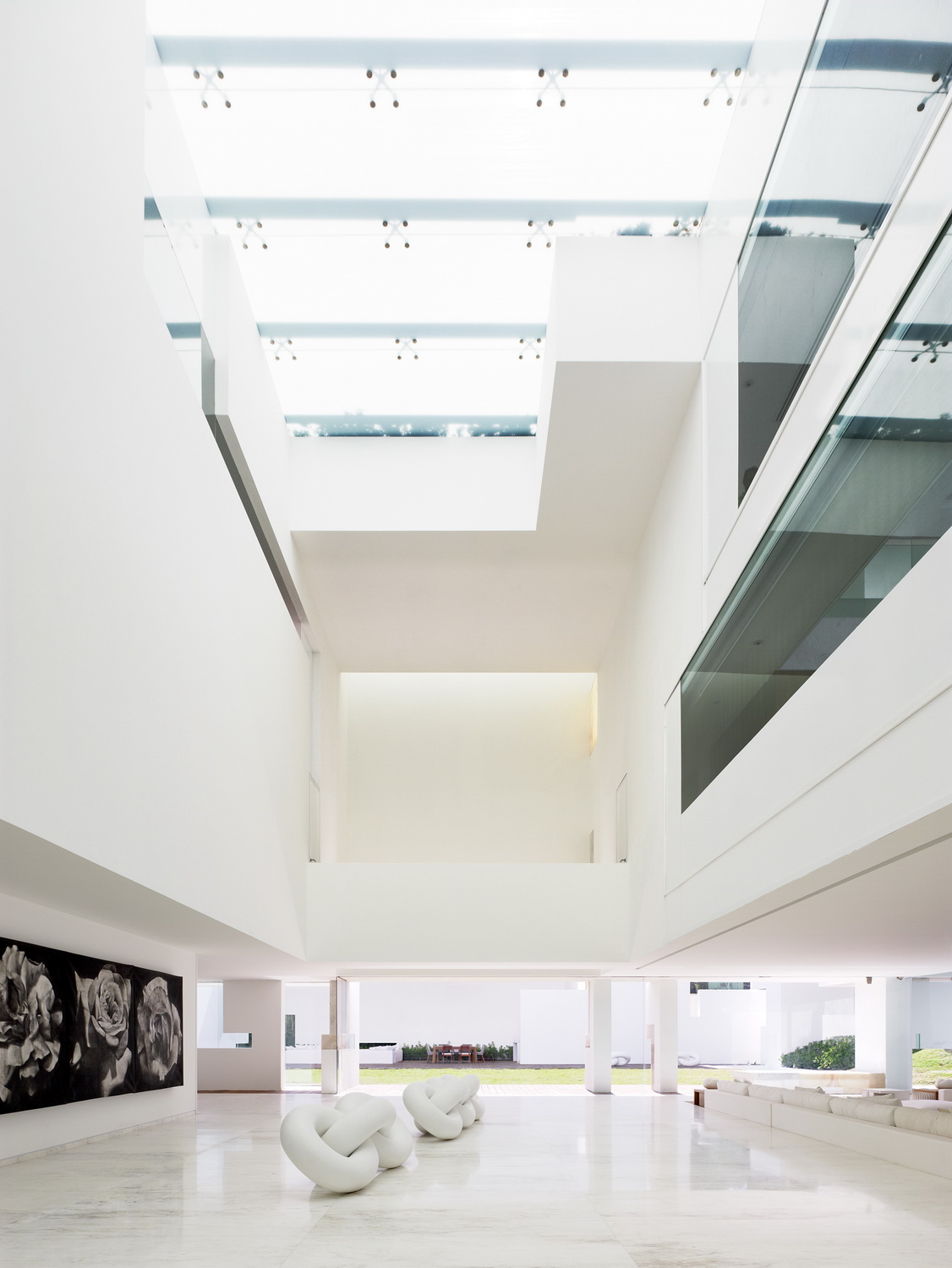
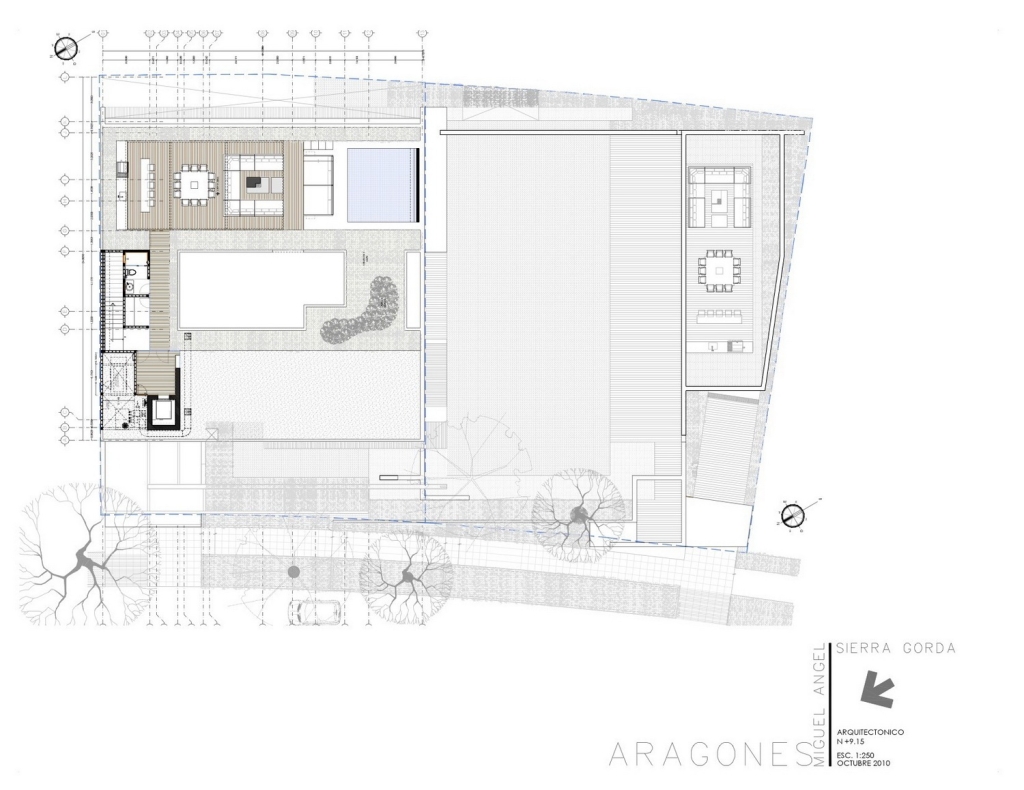
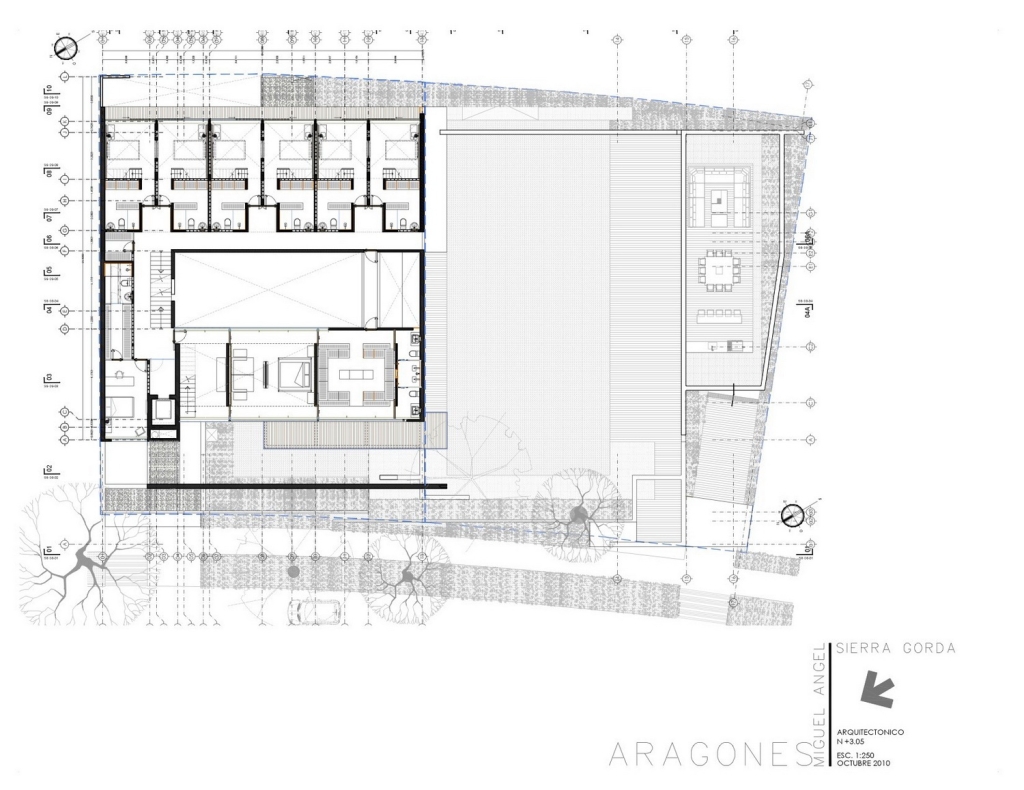
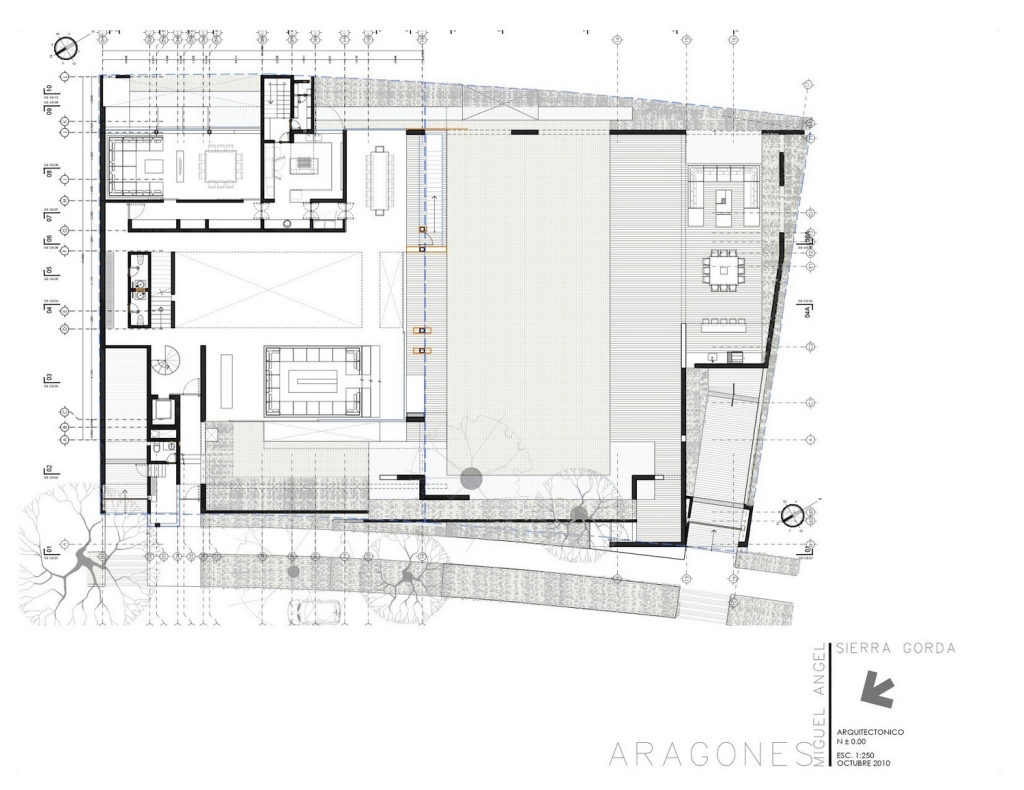
建筑面积: 1200 平方米 墨西哥是一座被太阳照耀的城市,设计师思考为什么不利用这个有利条件,让阳光也参与到建筑的设计里来,让它强烈的存在于室内空间,让它产生独特的气氛?阳光之于建筑就像是航海需要罗盘一样,每个项目的设计背后,它都是出发点,也是指导原则。当参观一座建筑,第一件需要知道的事情就是光从哪里来?射向哪里?夏天或冬天希望阳光从哪里进入?光线是需要捕获、设计和诱导的,而建筑是光的容器。设计师能够根据当地不同的气候和光照设计出相应的建筑。在墨西哥,南向的房间更为温暖,从太阳升起就接受着持续的光照,而西侧面对的太阳则有着不同的颜色和持续时间。不得不相信,不同的纬度具有着不同的颜色,气候是纬度带来的直接结果之一,而不同的气候产生了不同的文化。所以设计师们描绘光线,无论晨昏,让光进入他们的空间,映照在墙上,就像油画家在他们的帆布上作画一样。 Mexico is a land watched over by the Sun. Why not take advantage, then, of this legacy and make it a pro- tagonist, an accomplice of architectural space? Why not let its powerful presence dwell in our interiors? Why not use sunlight to generate sensations, atmospheres? The Sun is to the architect what the compass is to the navigator; it is both the starting point and guiding principle behind all projects. When viewing a property, the first thing you need to know is where it comes up and where it goes down; where you want its light to enter in the summertime and where during the winter. The Sun has to be captured, manipulated, seduced: its light stored. Not scattered, but softened. This ability—the art of containing light—transforms the architect into a translator, an alchemist of sorts. As in navigation, latitude is the framework behind architecture.In Mexico City, for example, homes are warmer towards the south: there is a continuous, powerful light that lasts while the sun is up. Western light, on the other hand, has a different color and duration. Beyond a doubt, latitude is what colors the world. One of its consequences, climate, is a factor that generates customs with cultural aspects, cosmogonies. Light is a constant. When distorted—modified in terms of frequency or wavelength—different colors and tones of light are achieved: yellow, blue, red… Thus the architect draws, paints with light, by taking it from dusk or dawn and allowing it to burst into spaces, reflected on walls as if they were canvases.
 关注公众号
关注公众号 川公网安备51010702000609号


 发表于
发表于