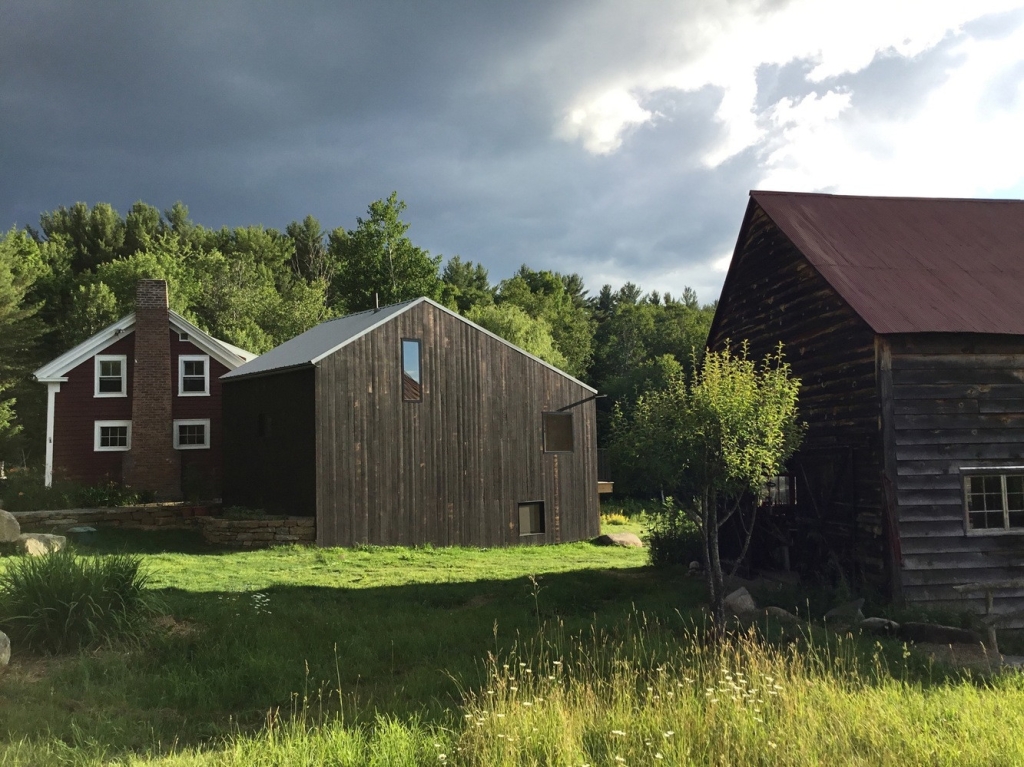
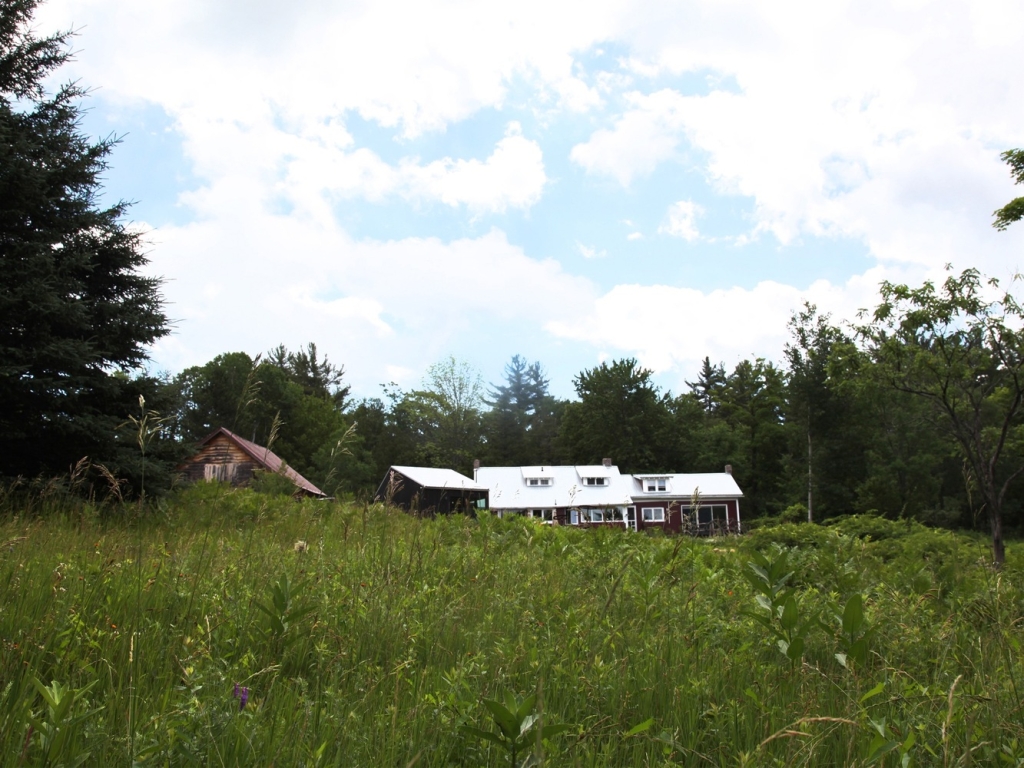
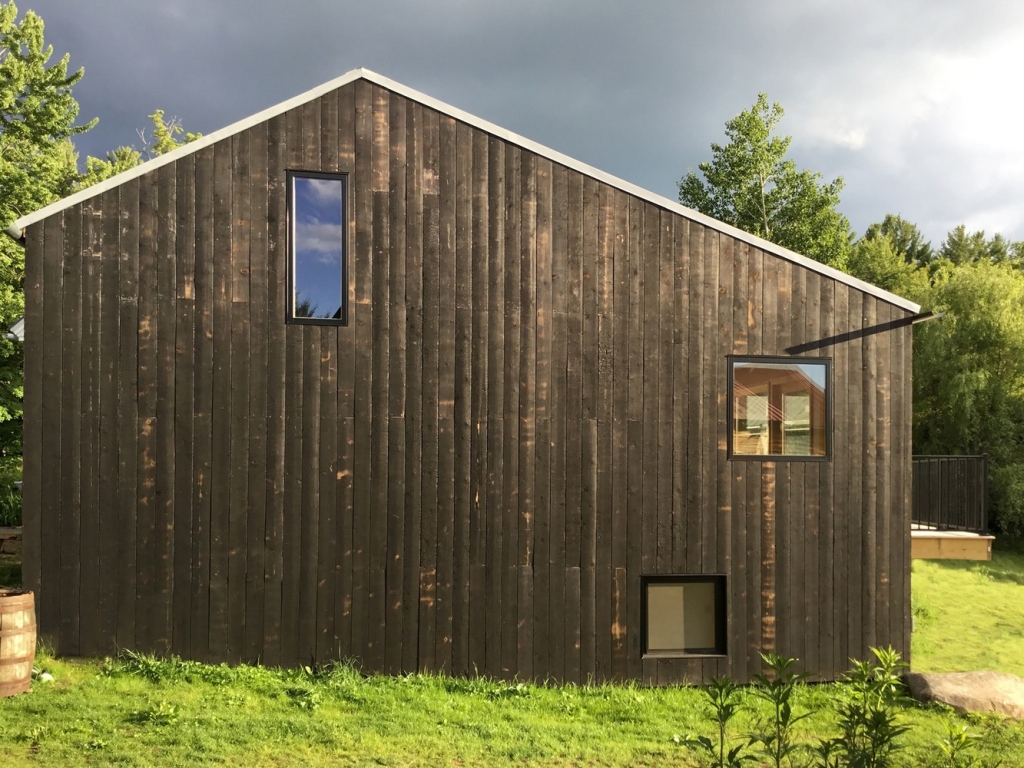
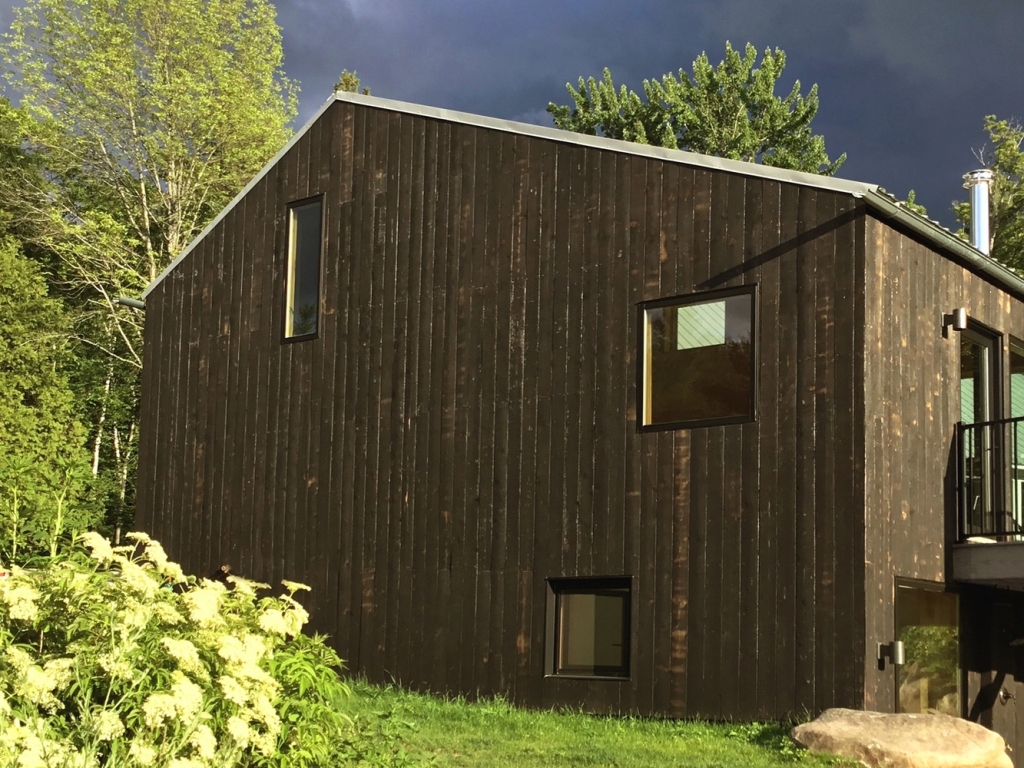
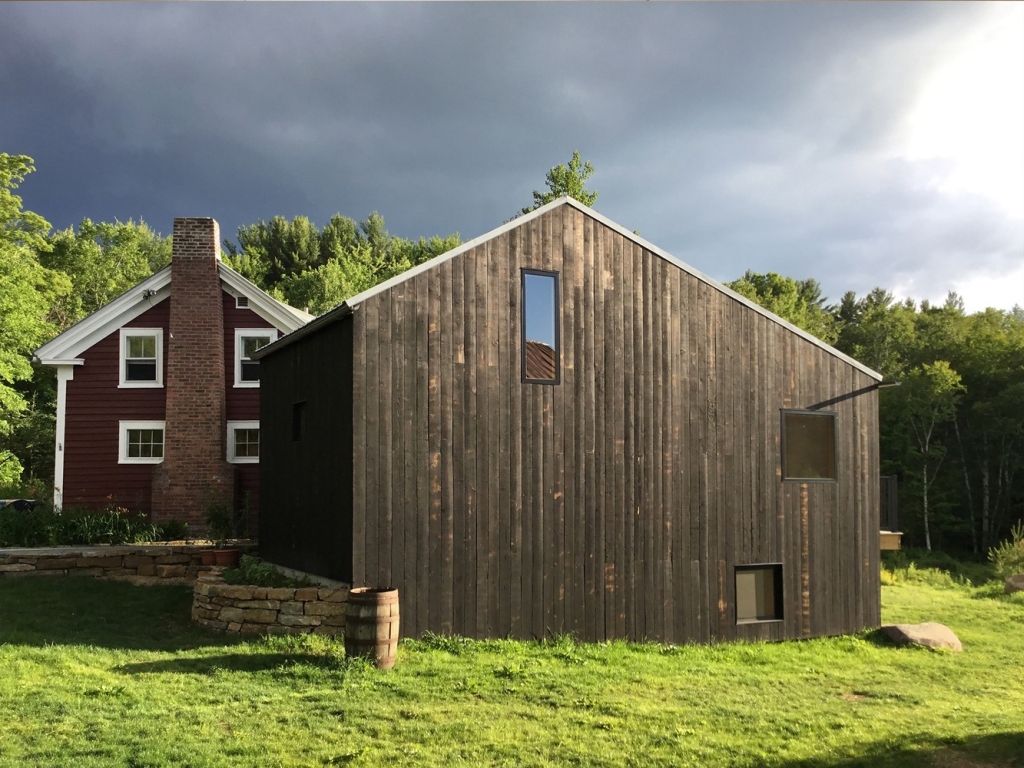
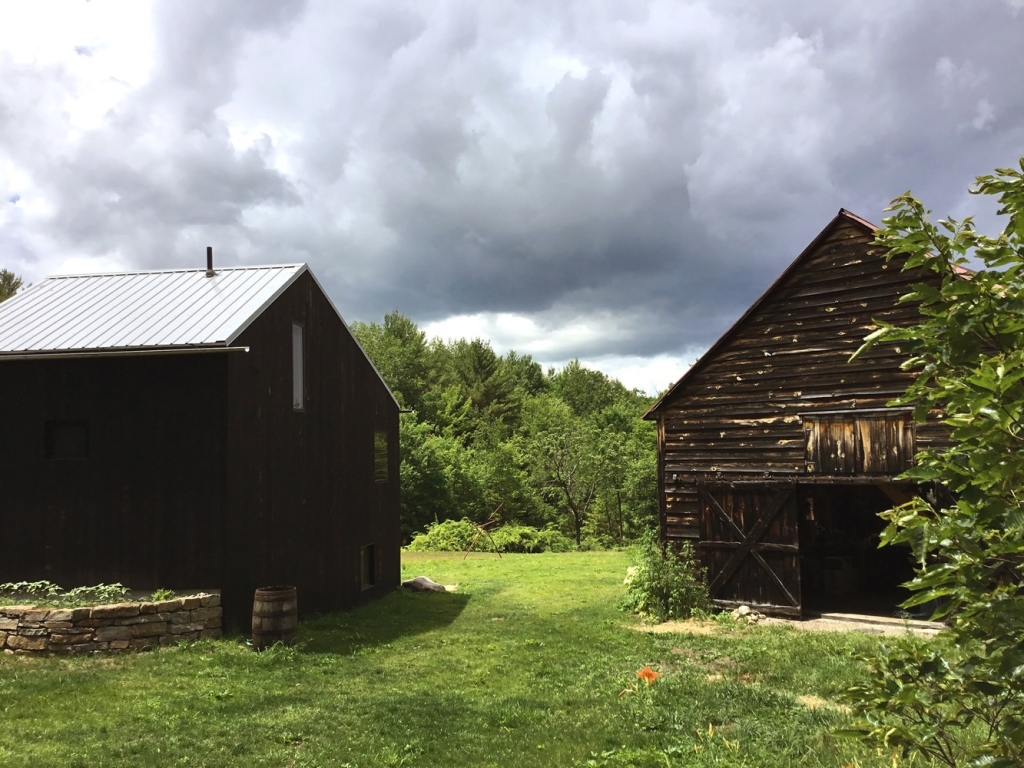
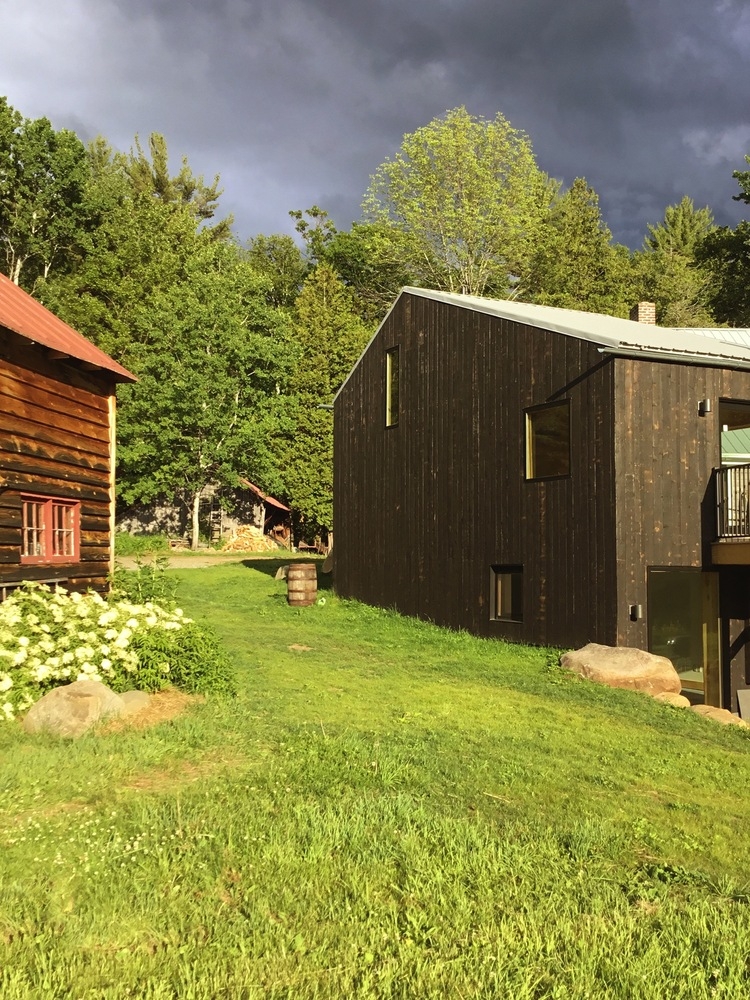
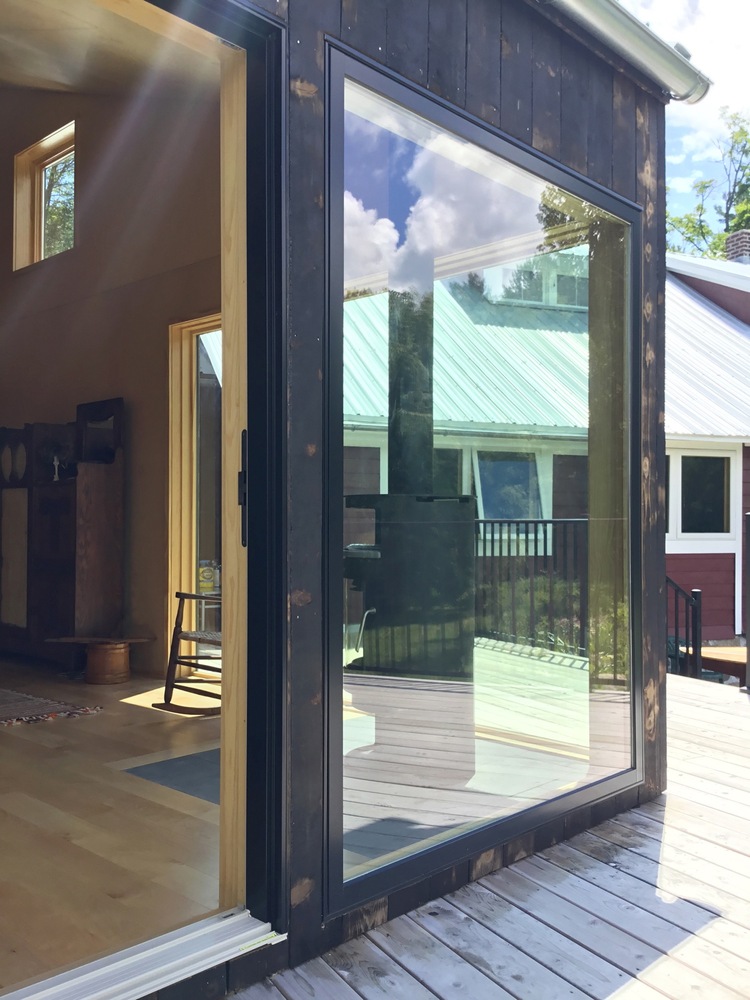
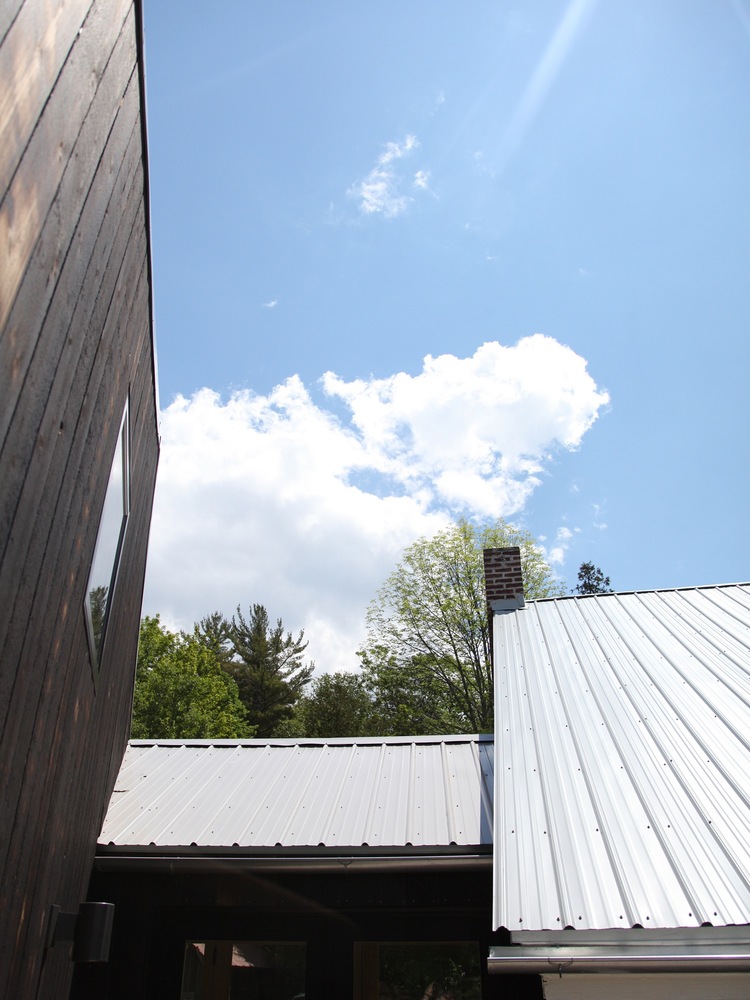
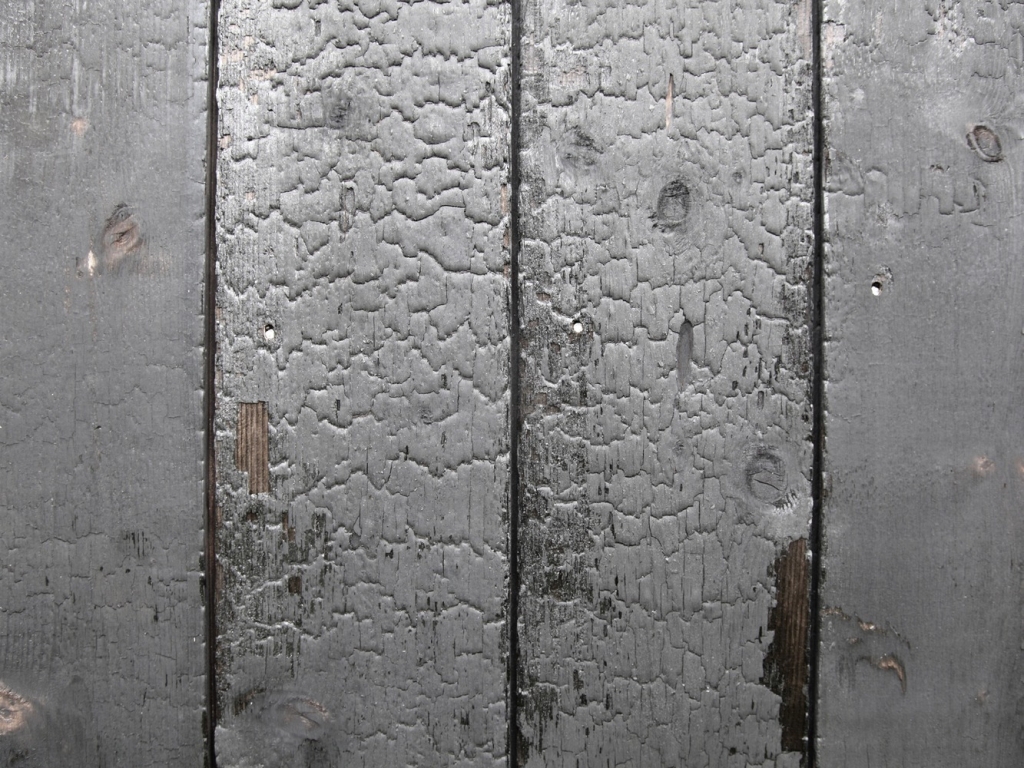
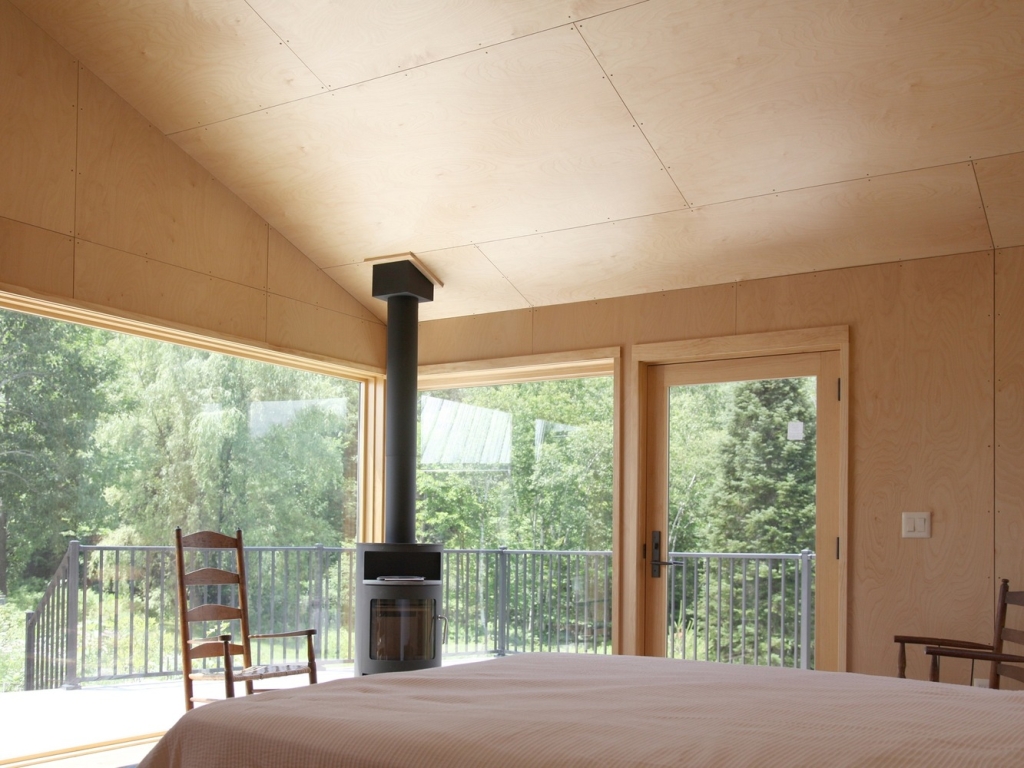
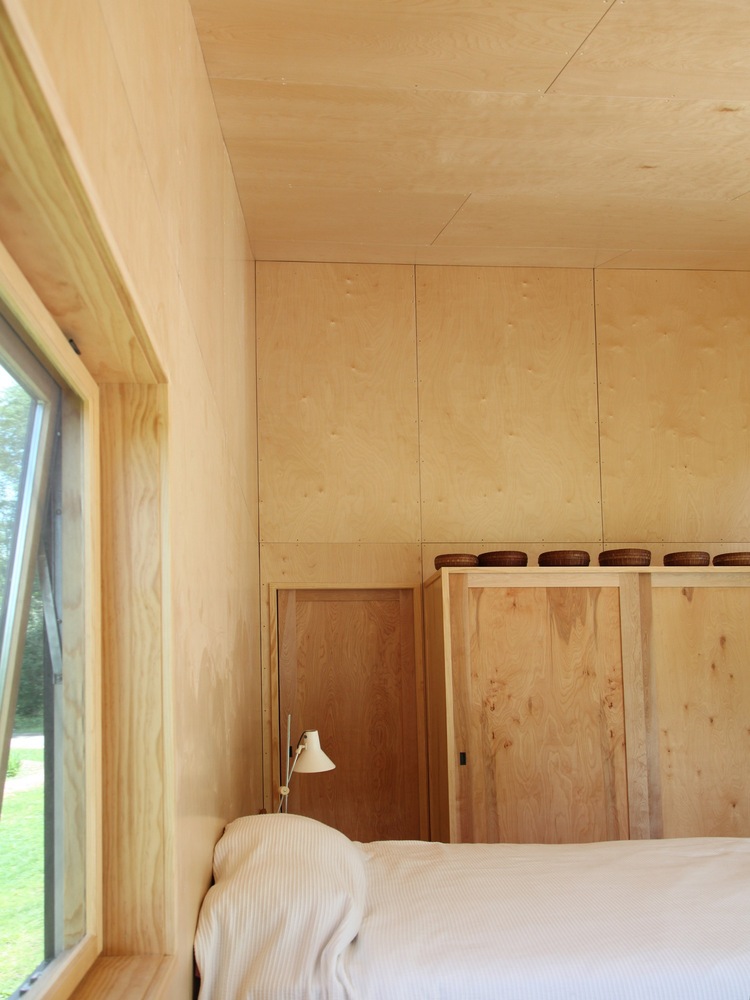
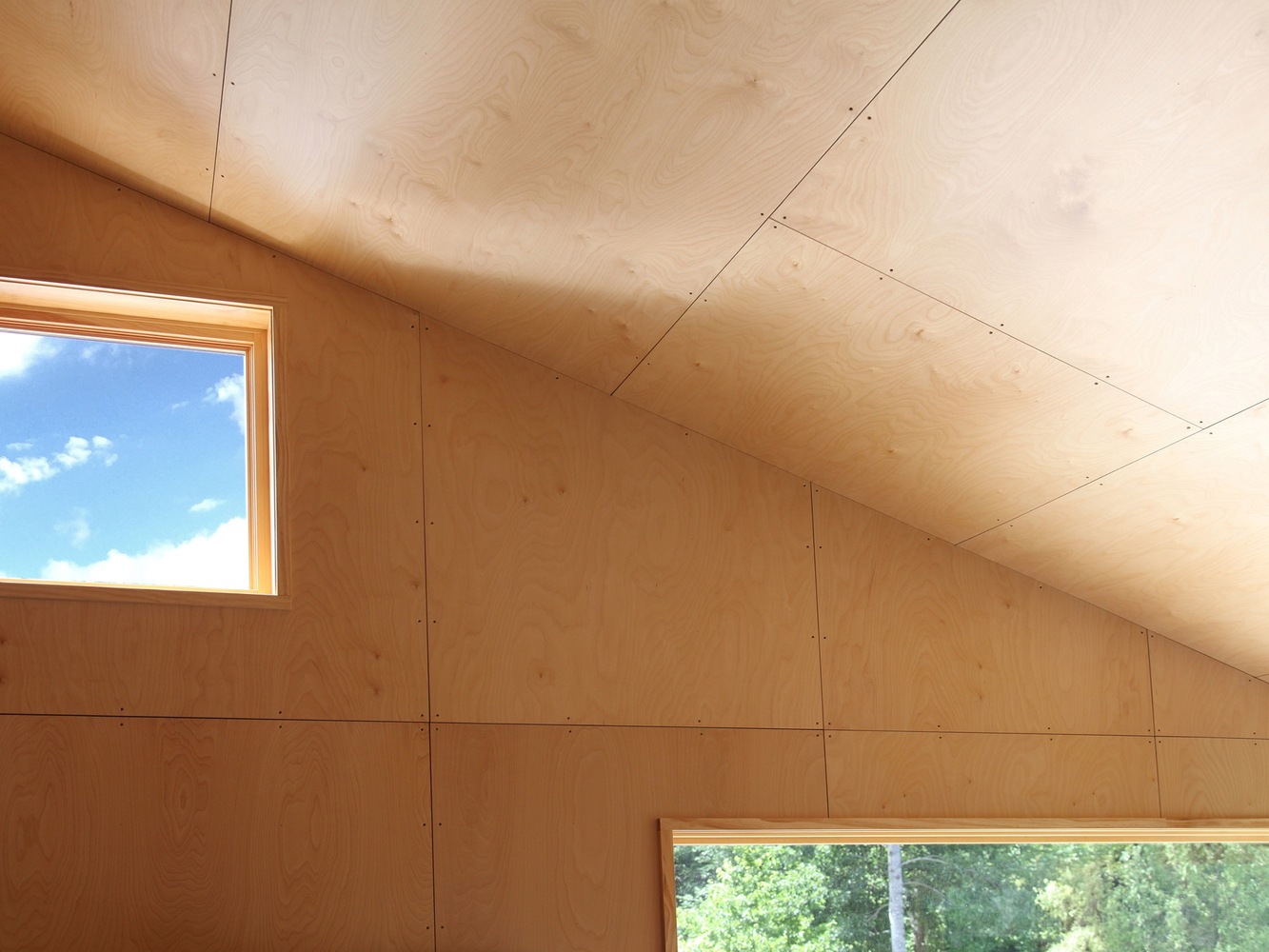
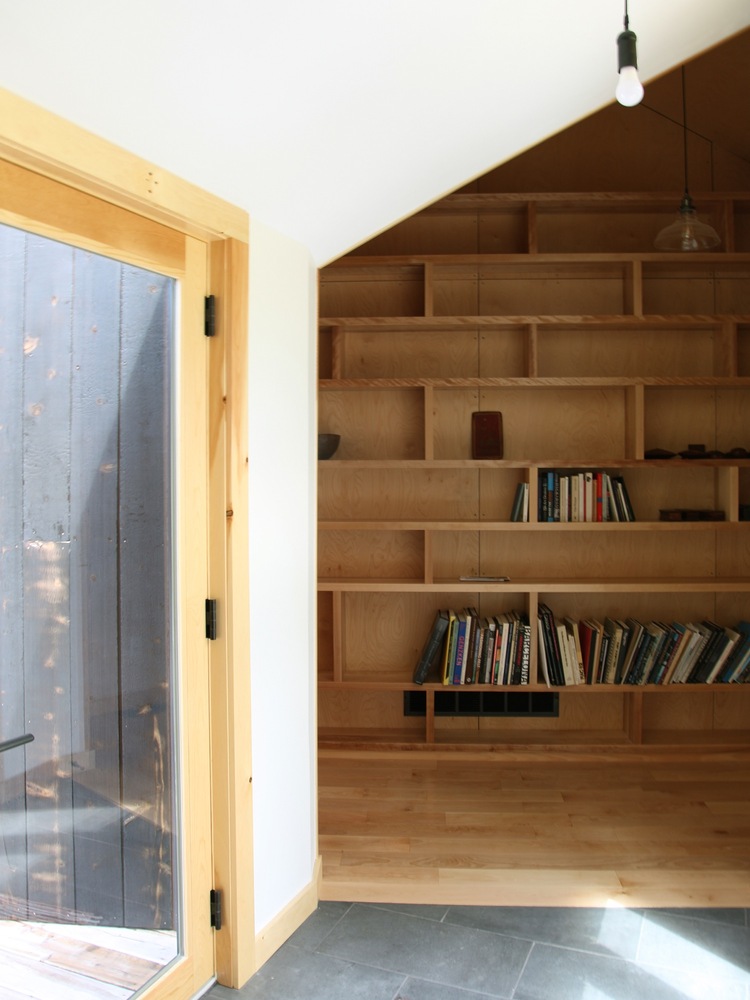
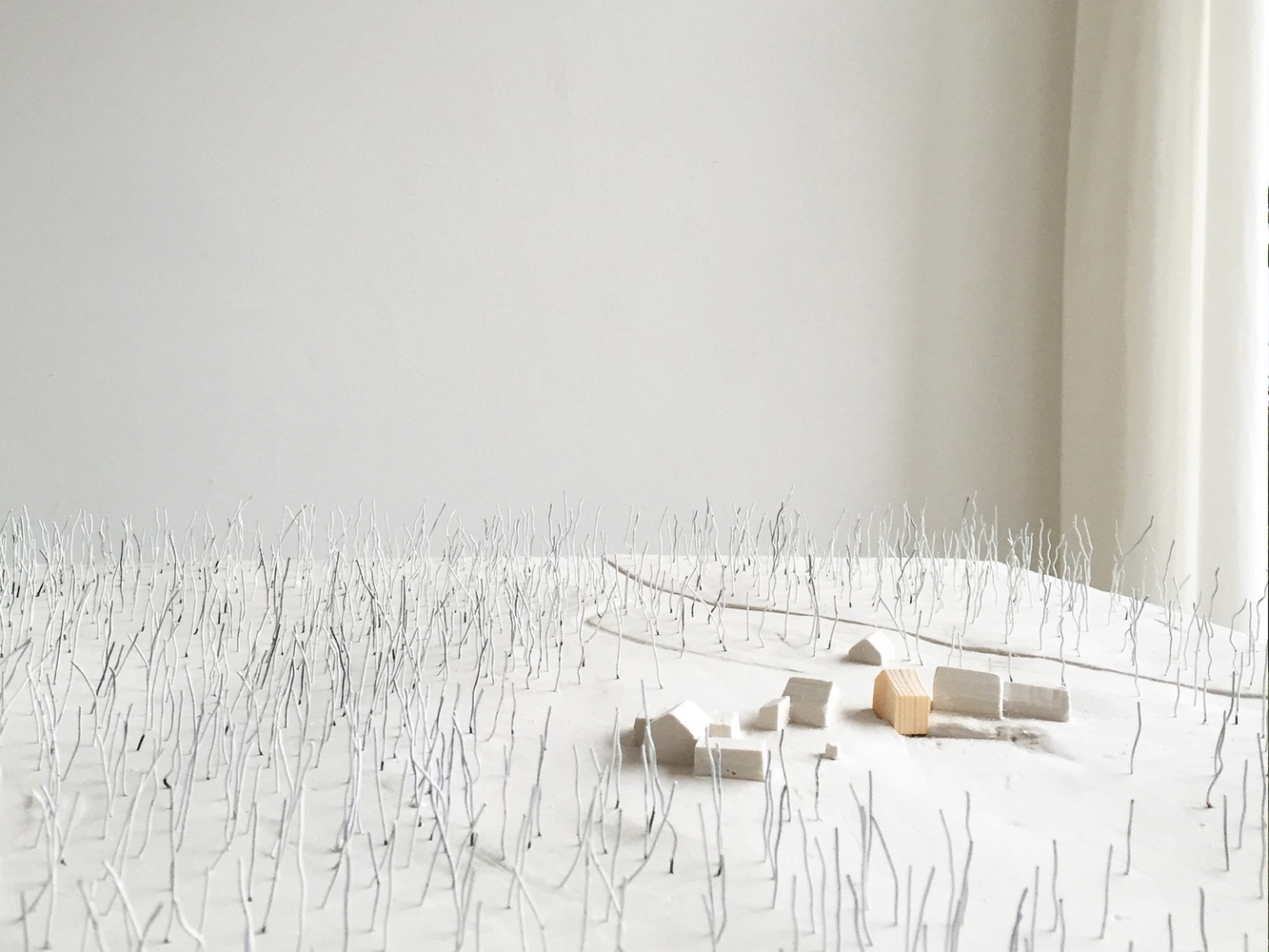
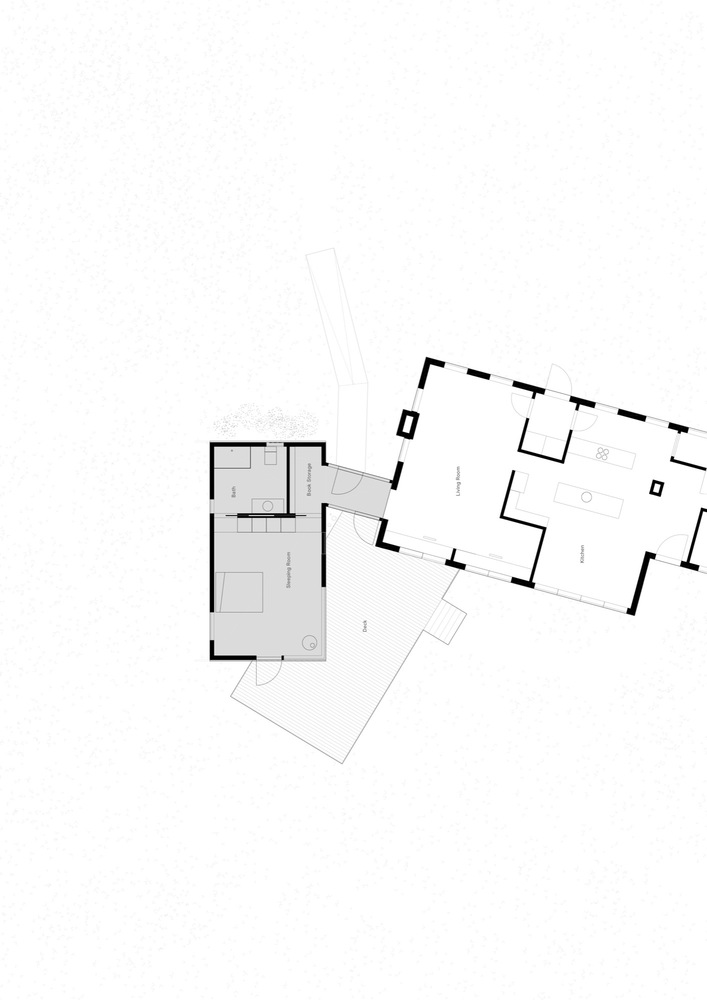
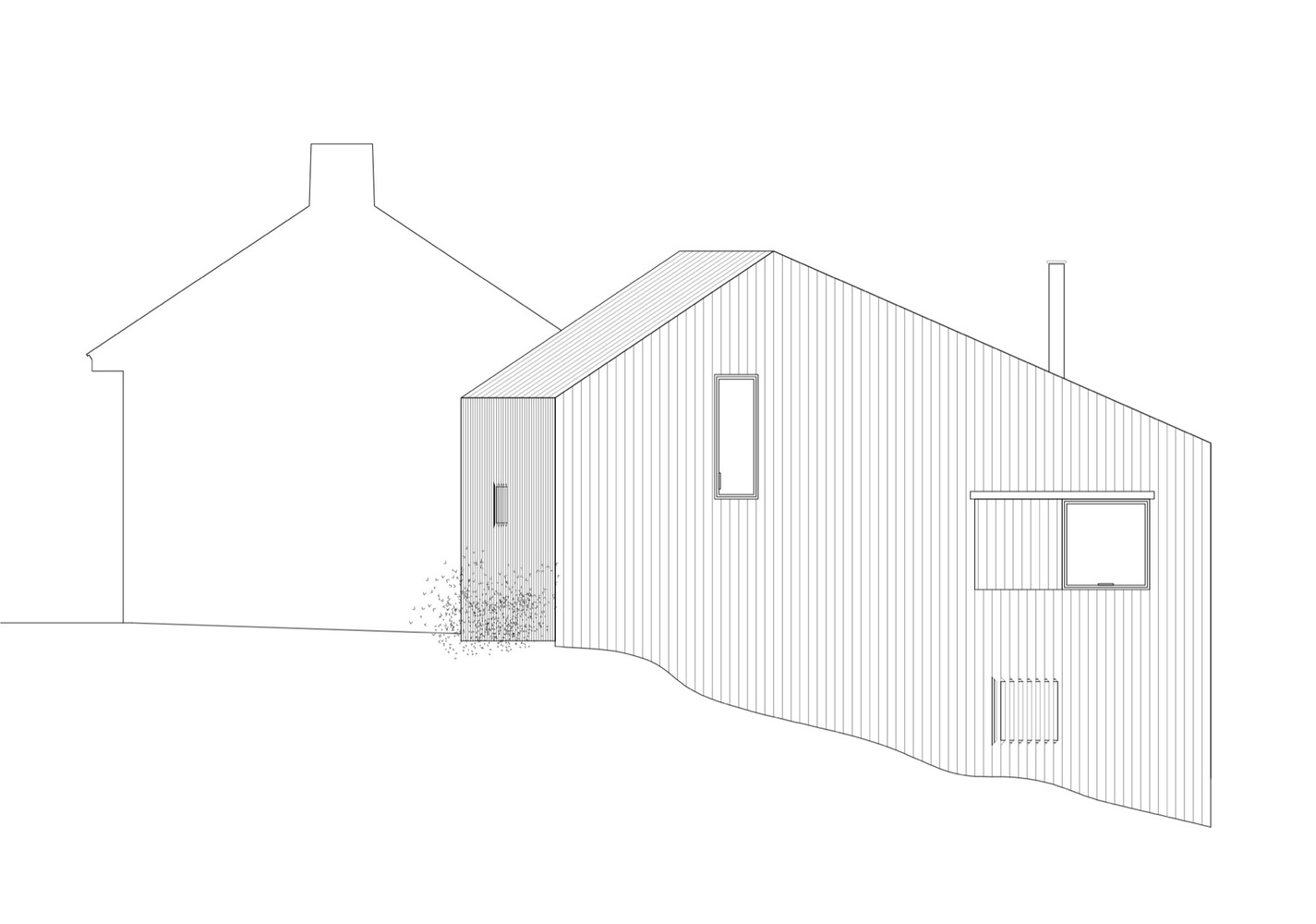
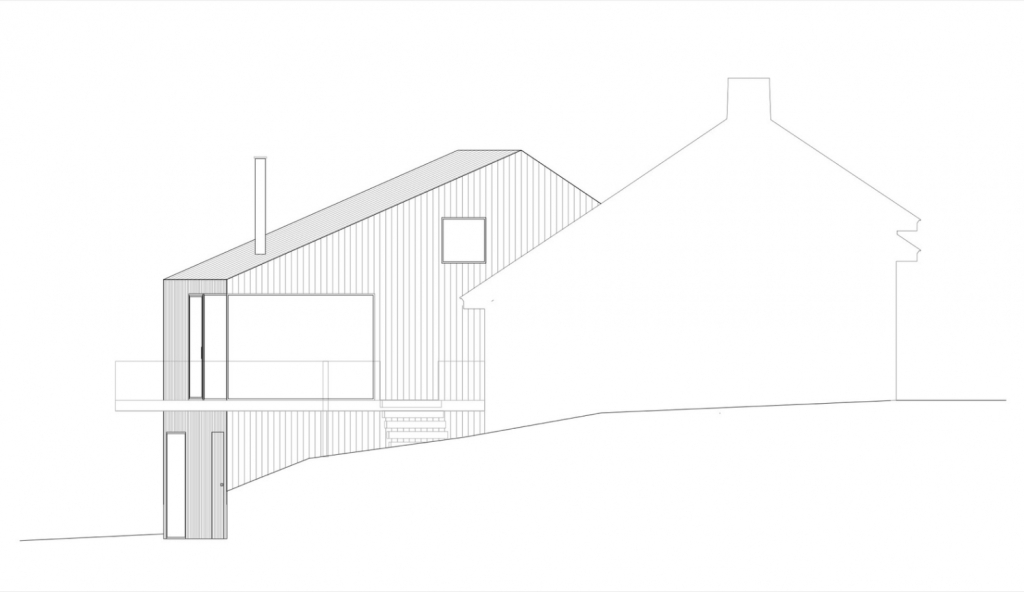
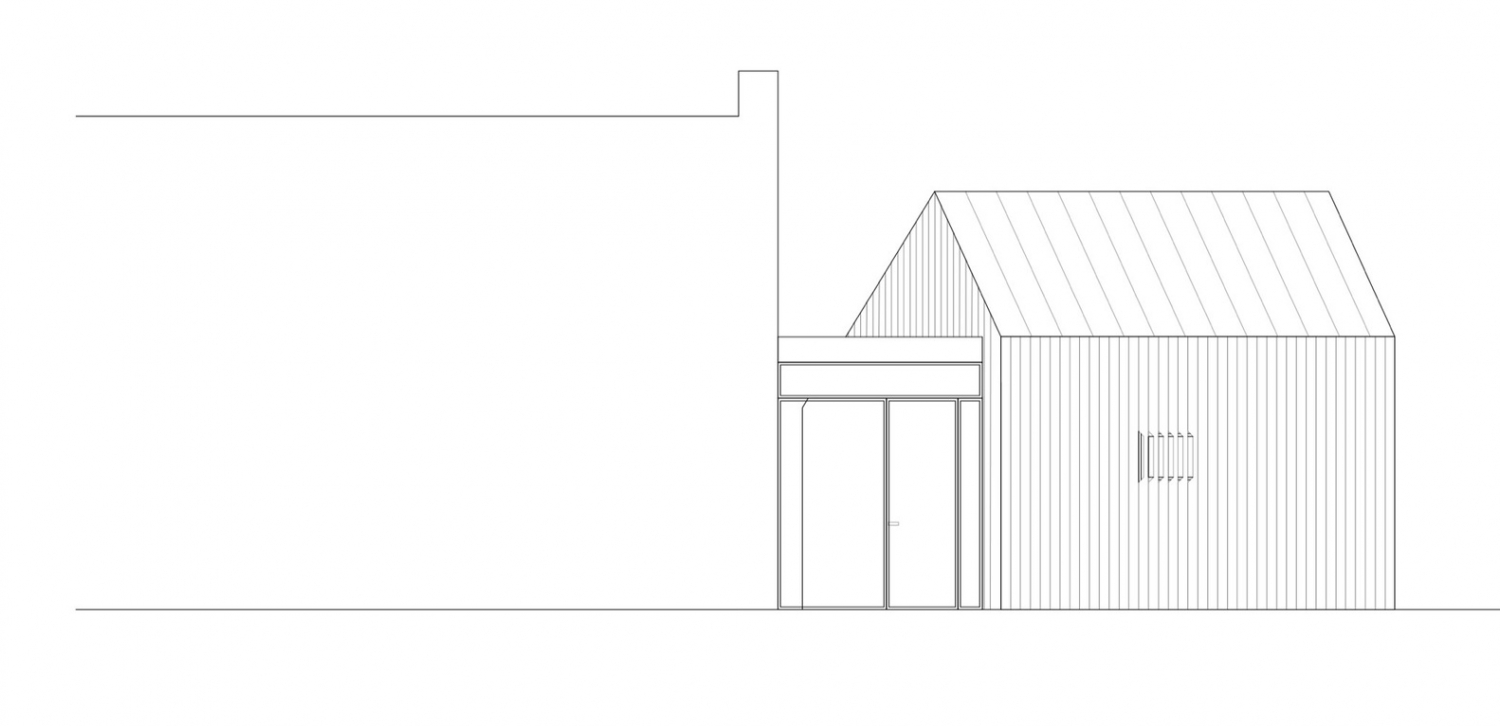
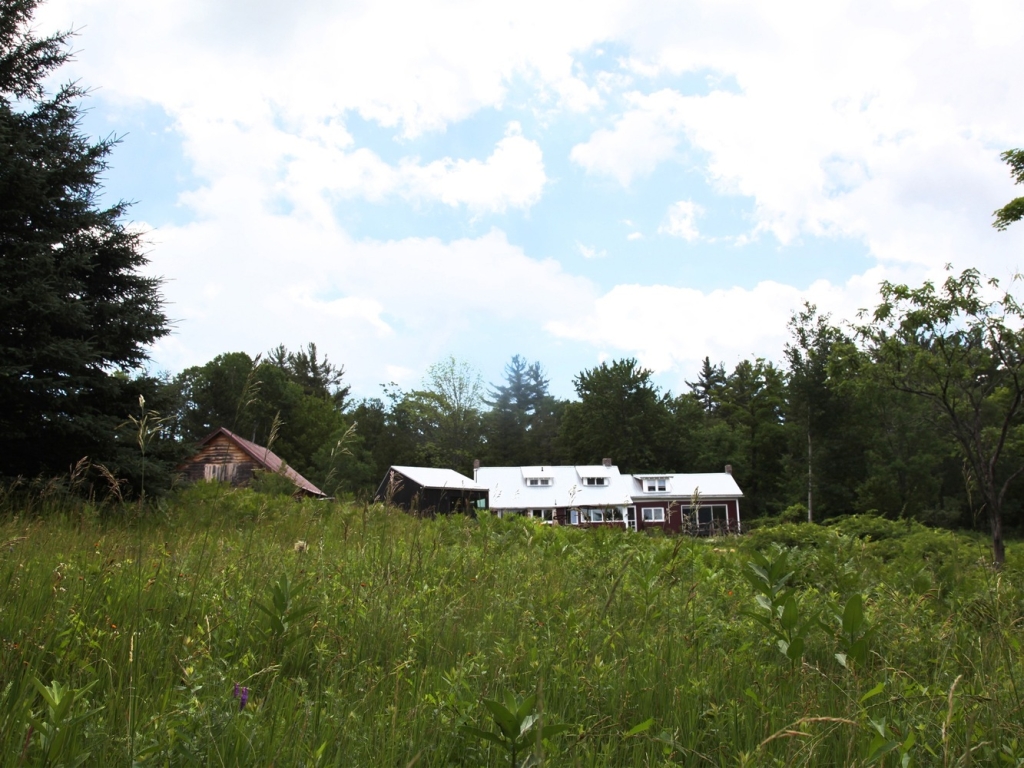
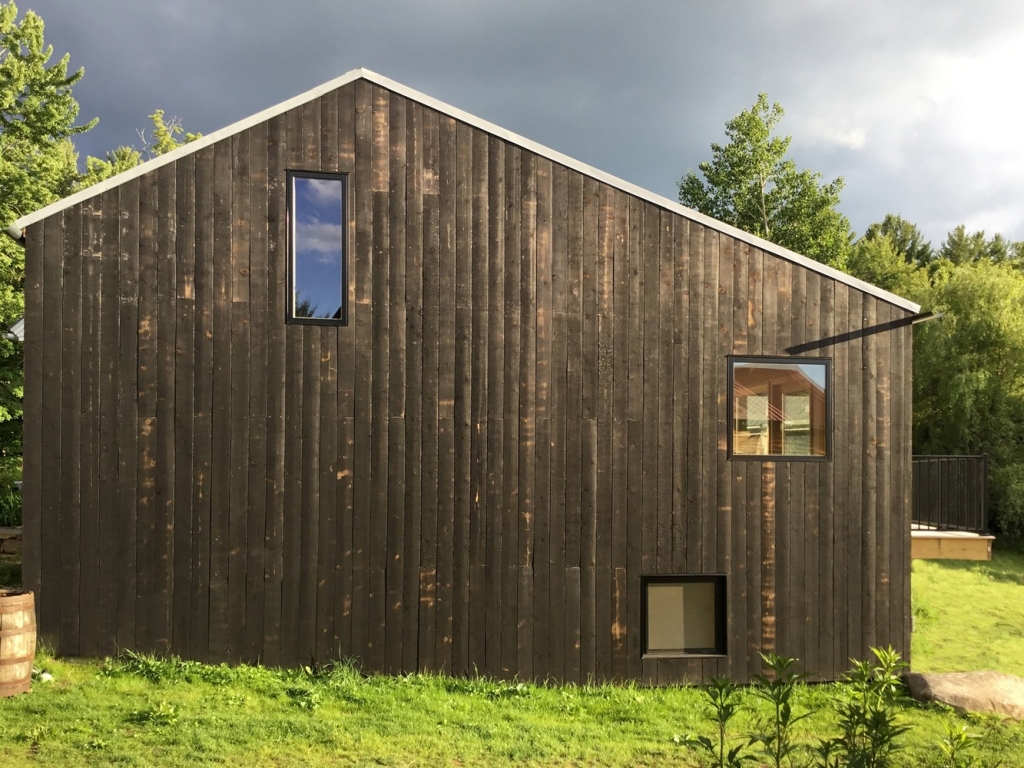
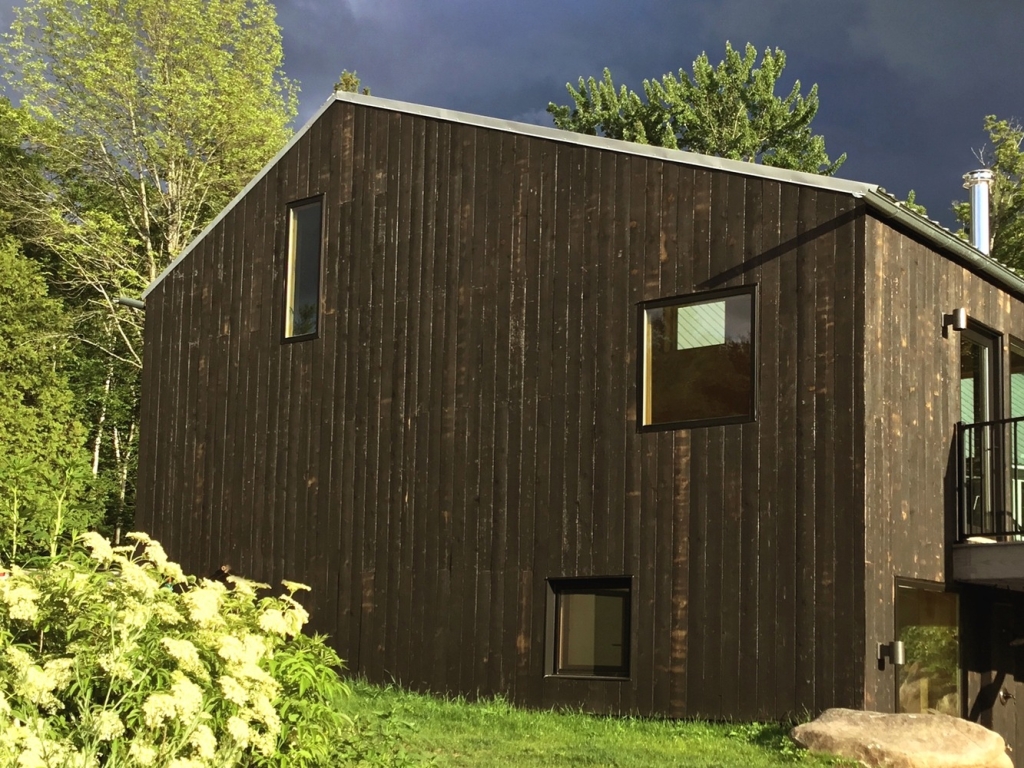
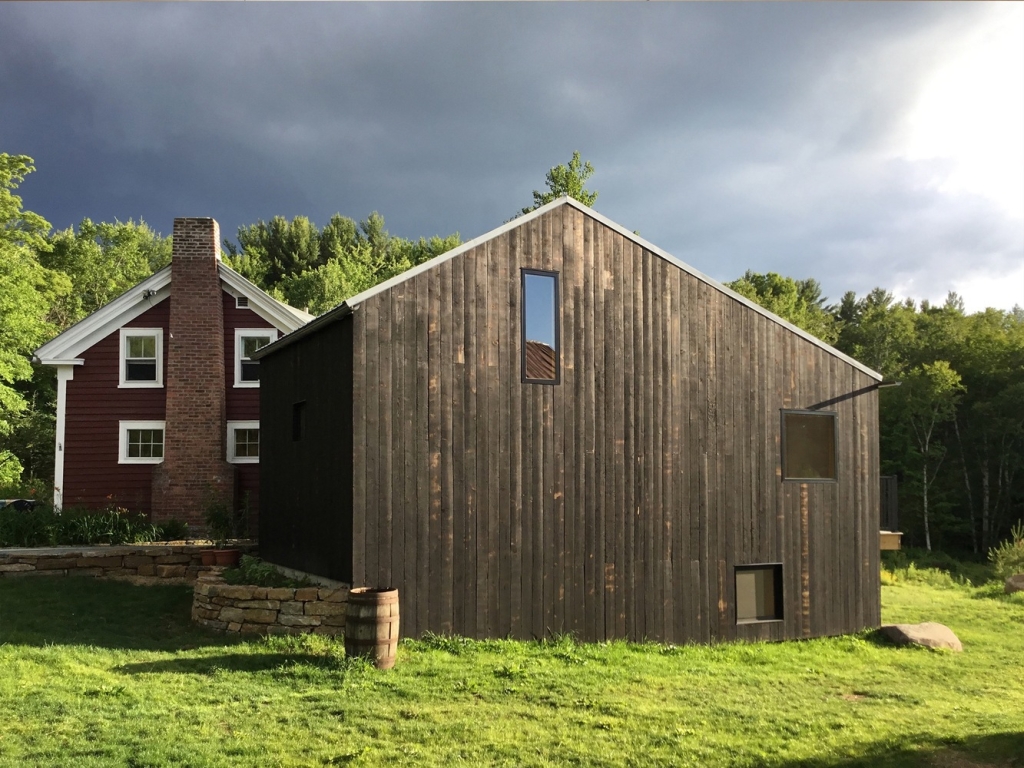
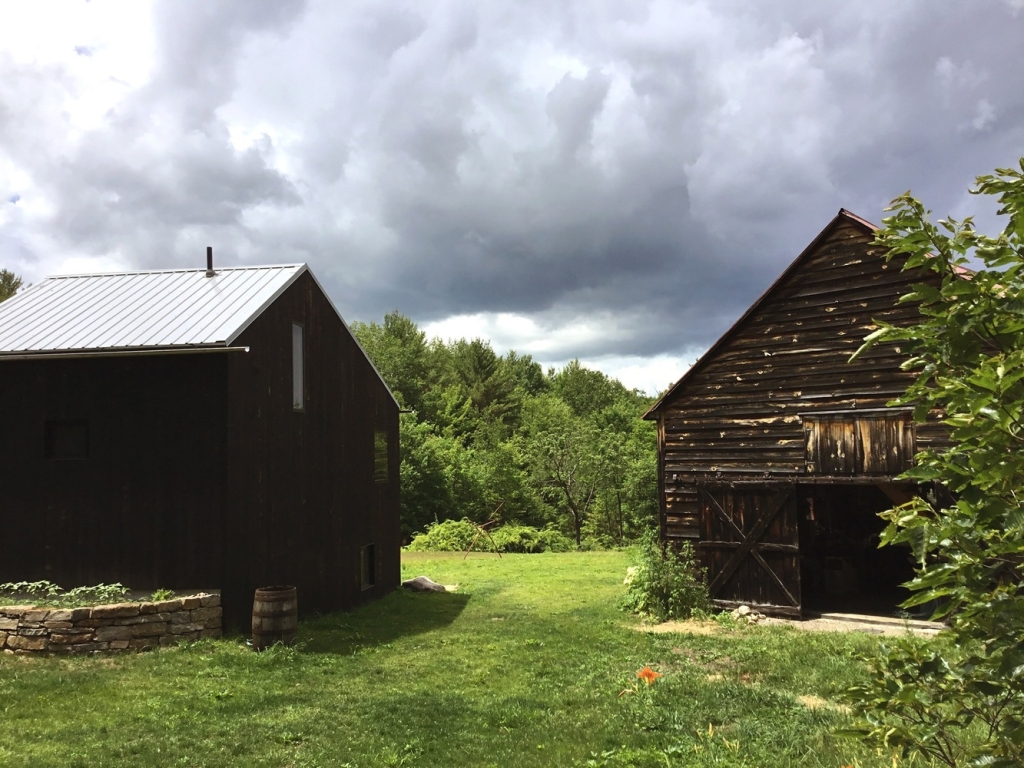
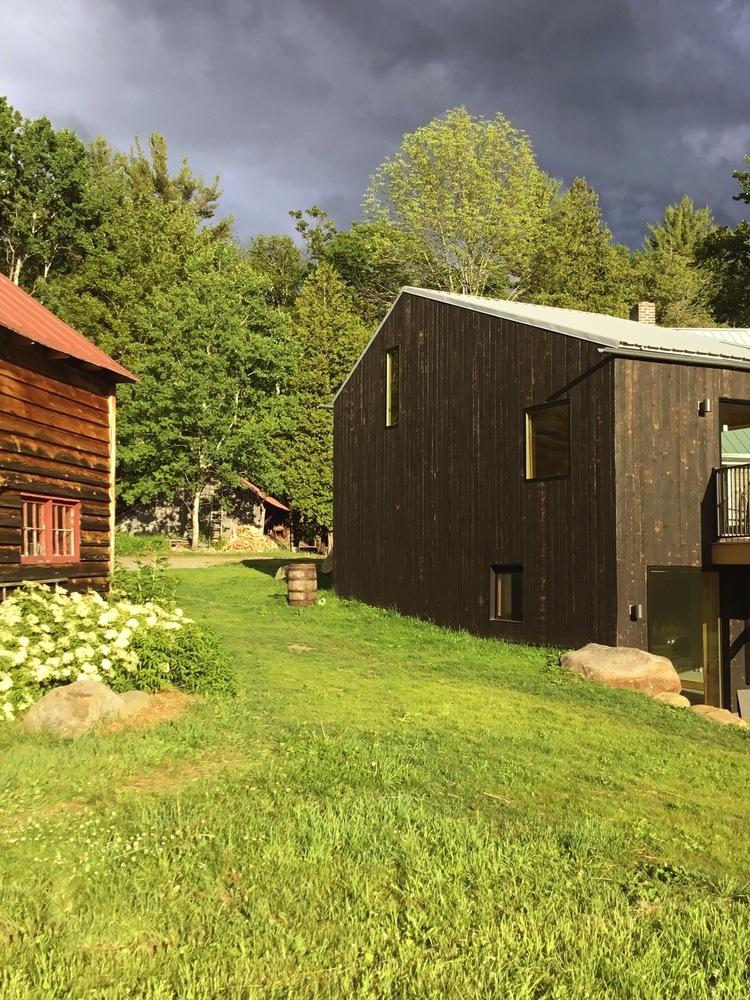
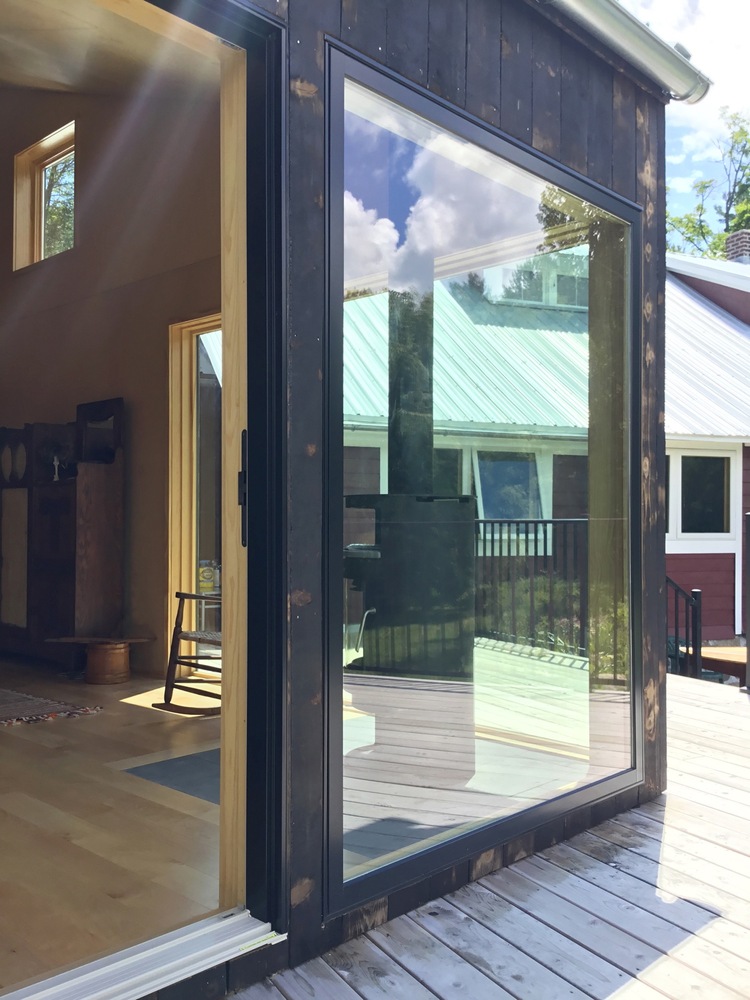
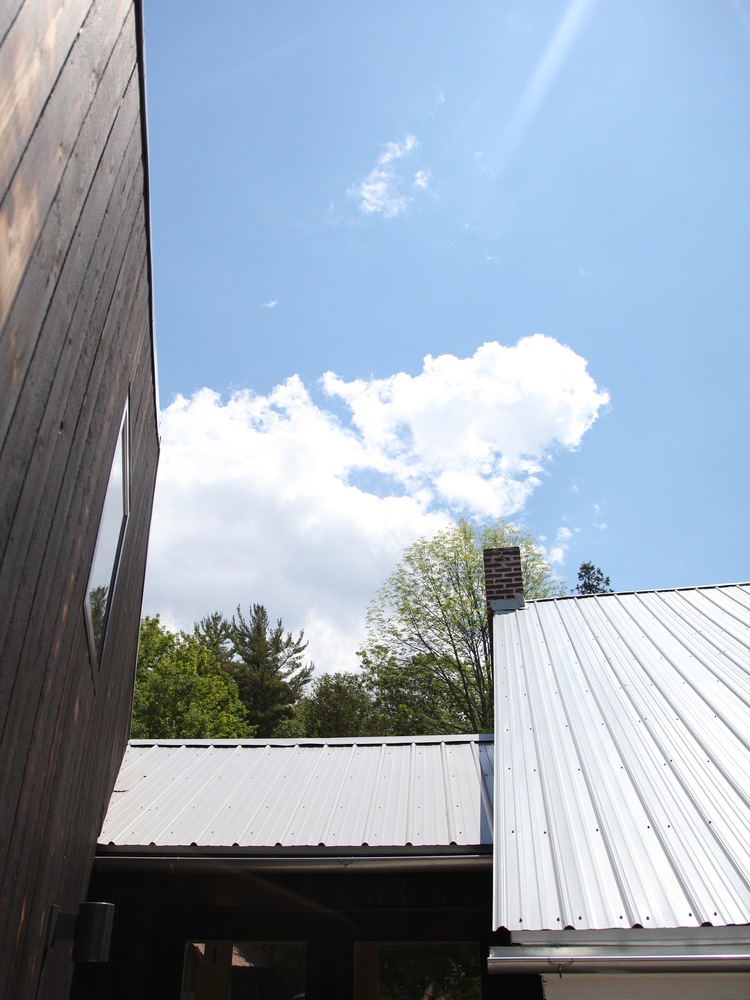
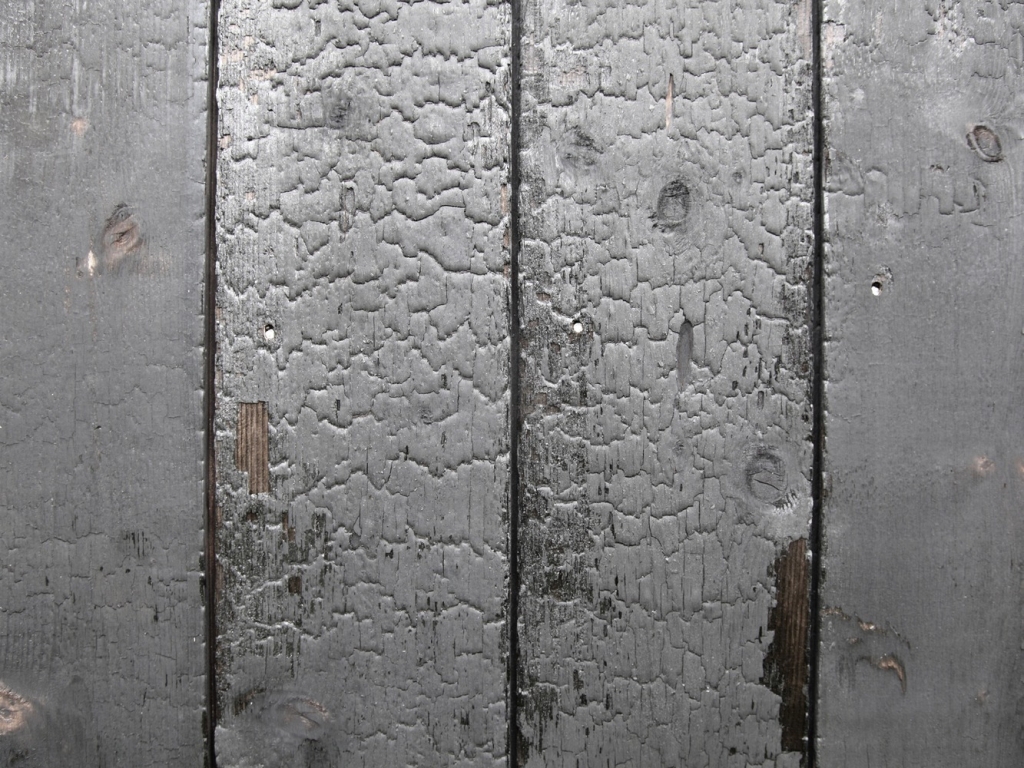
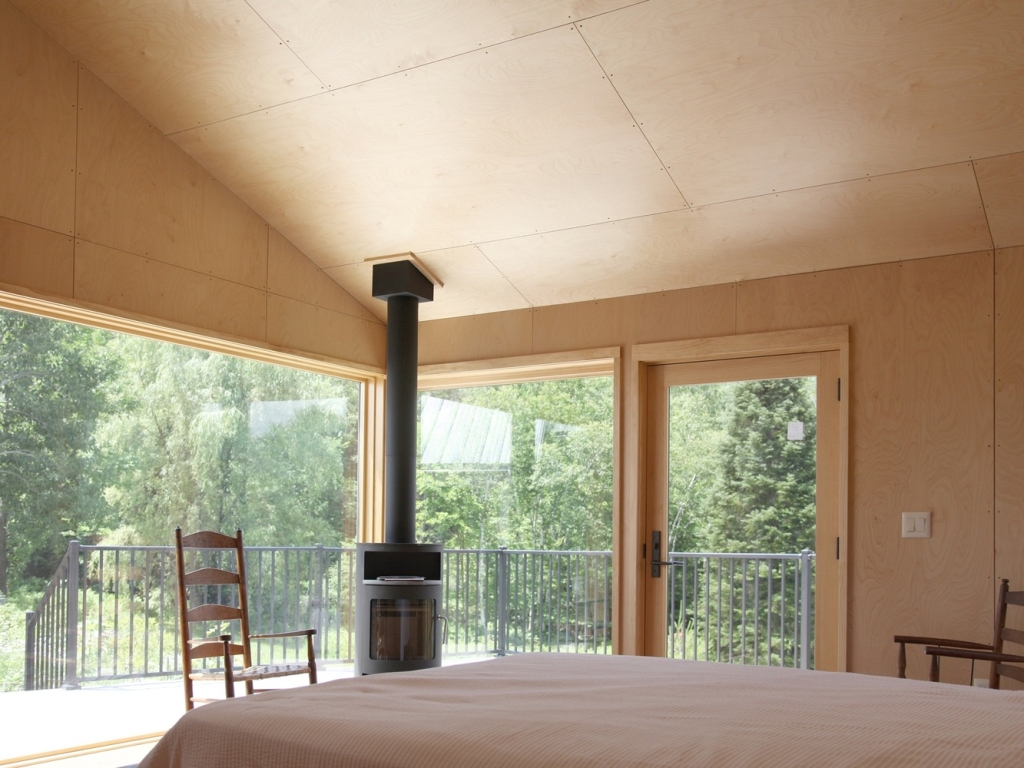
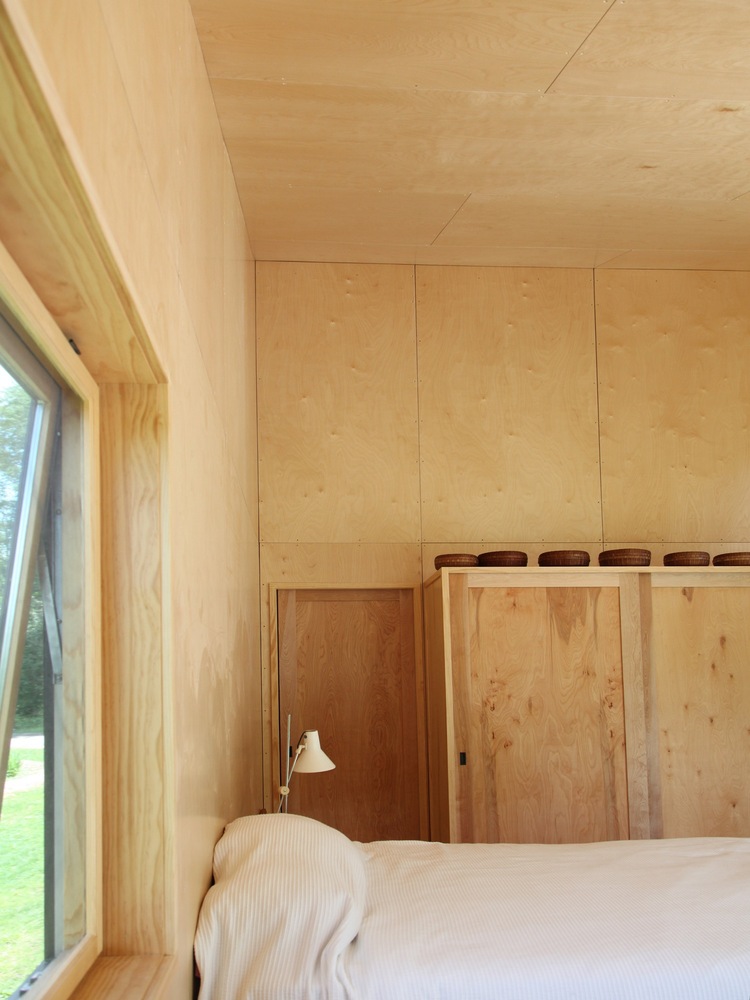
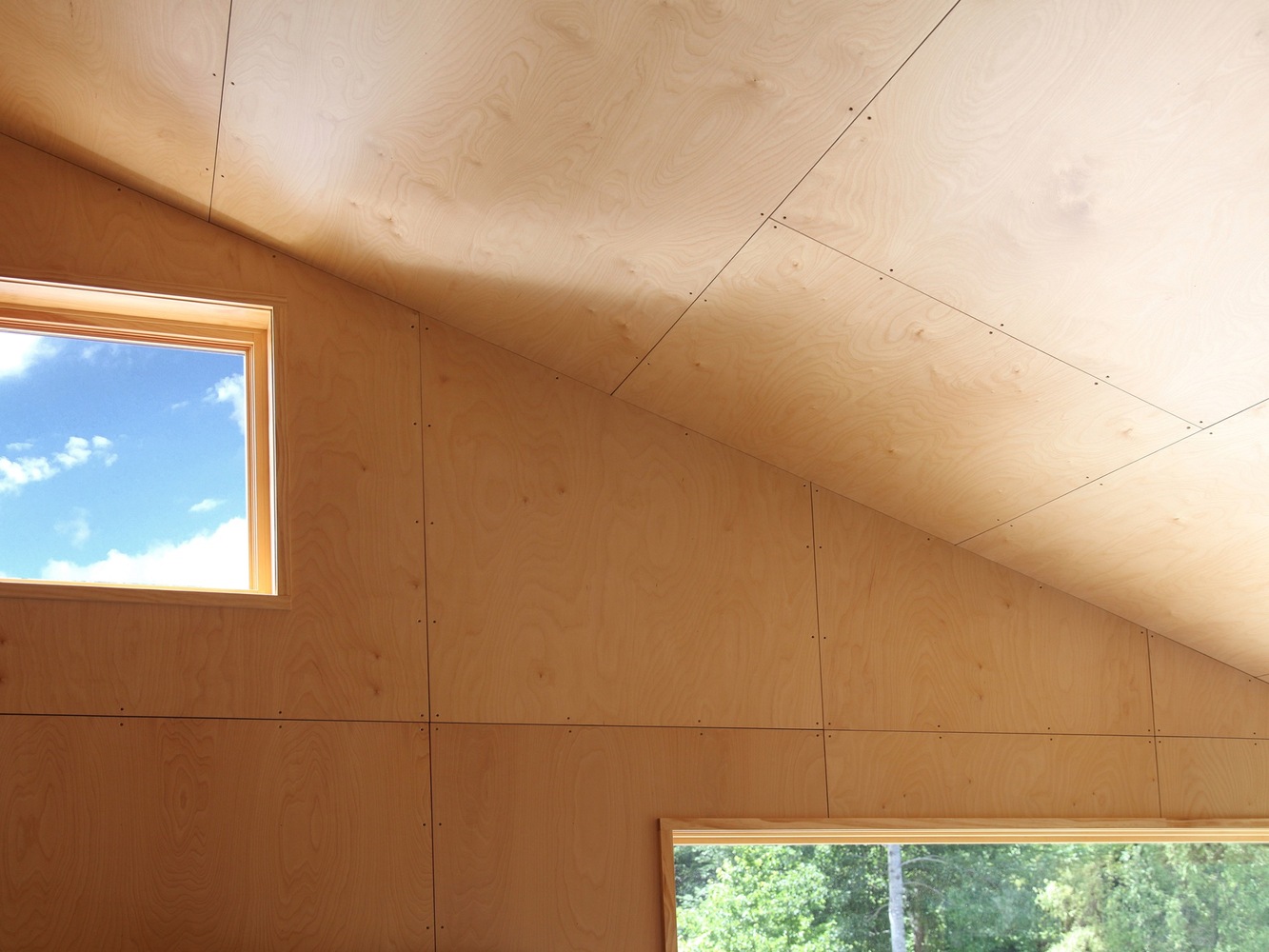
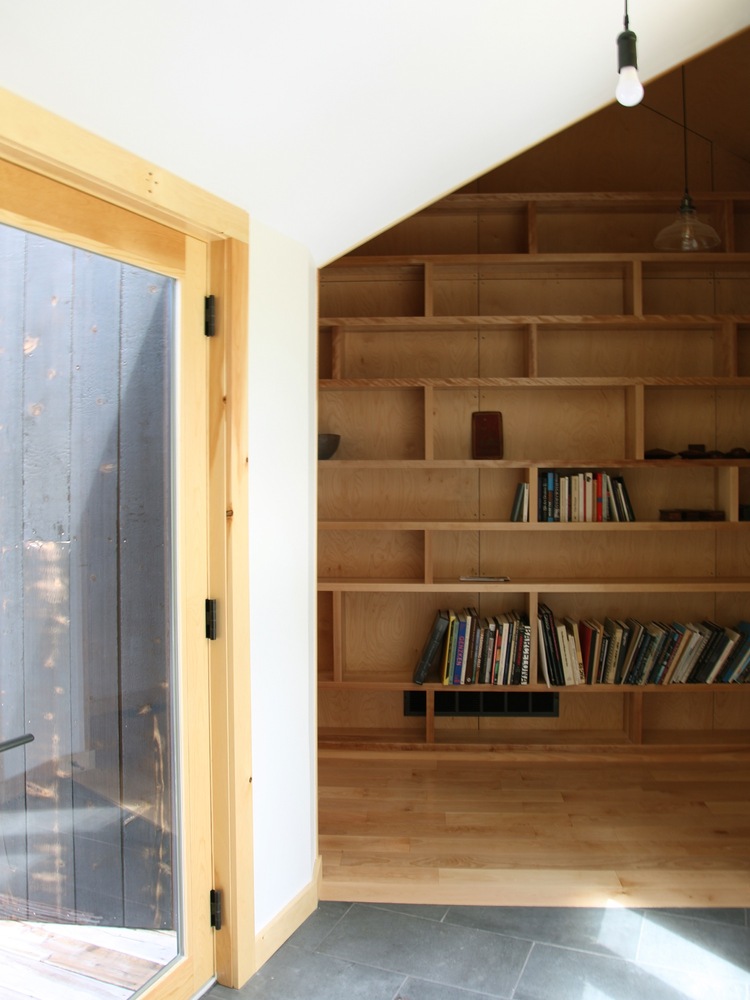
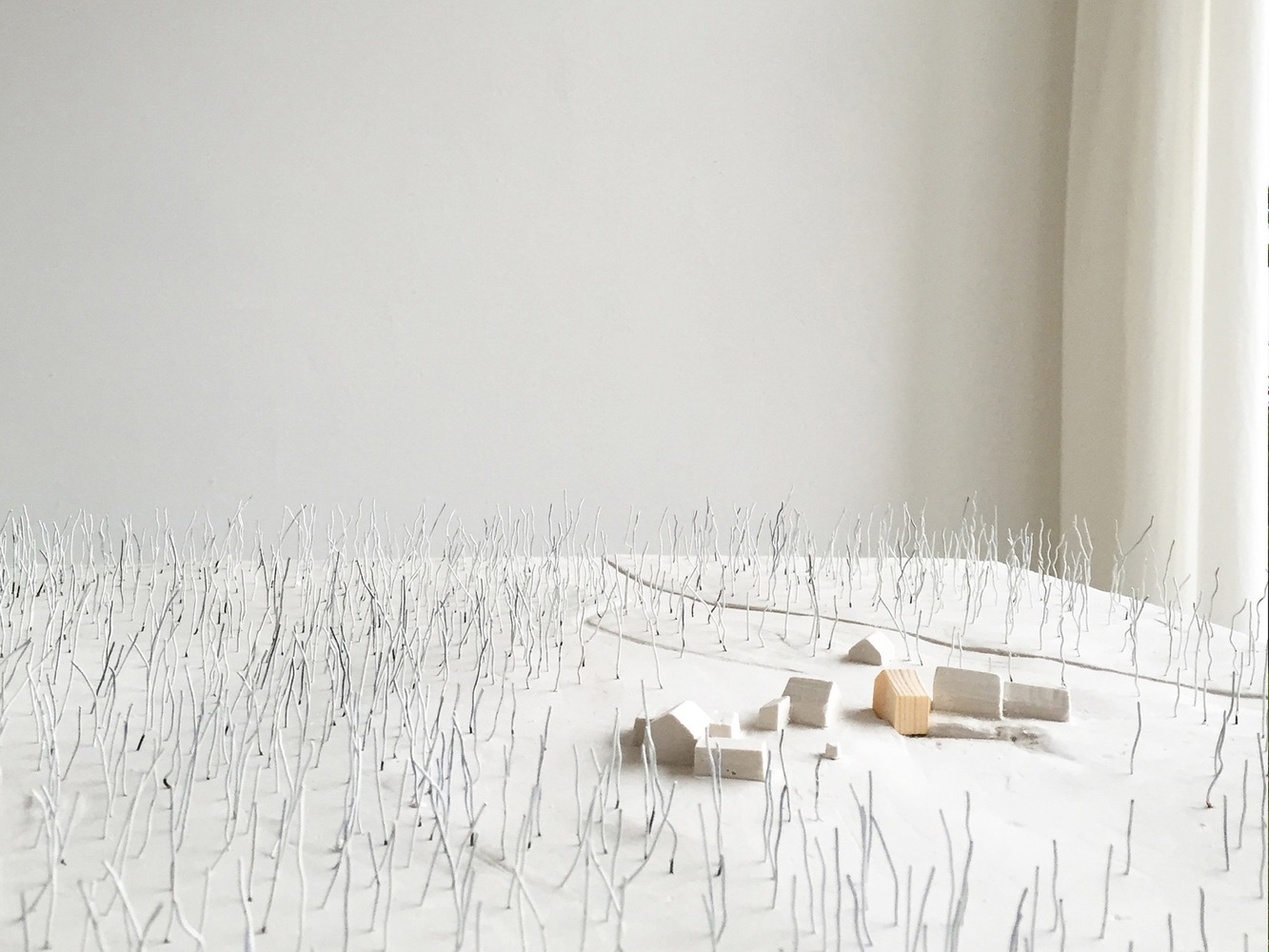
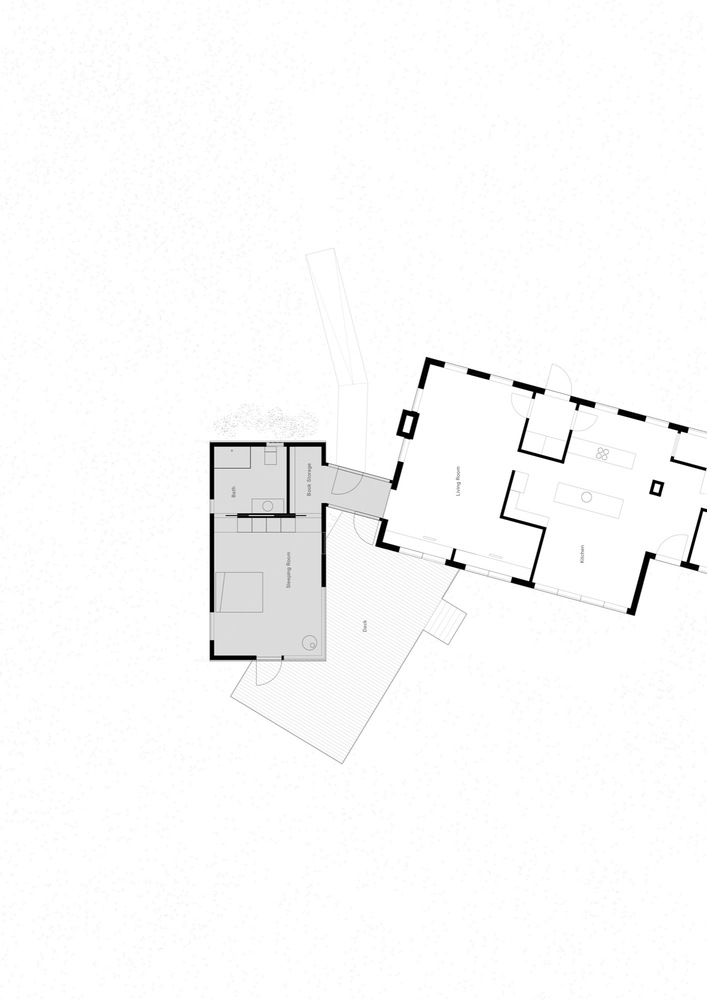
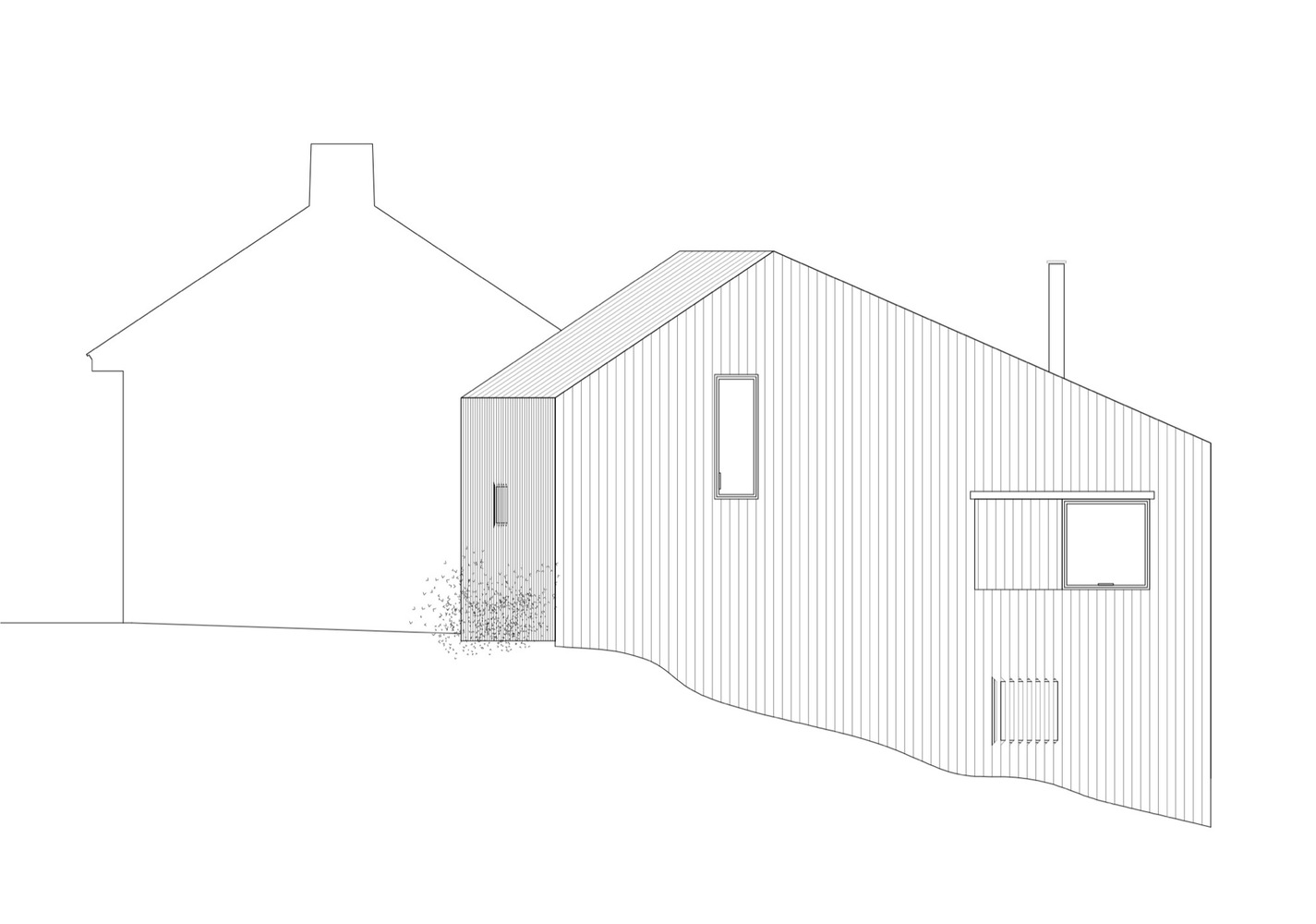
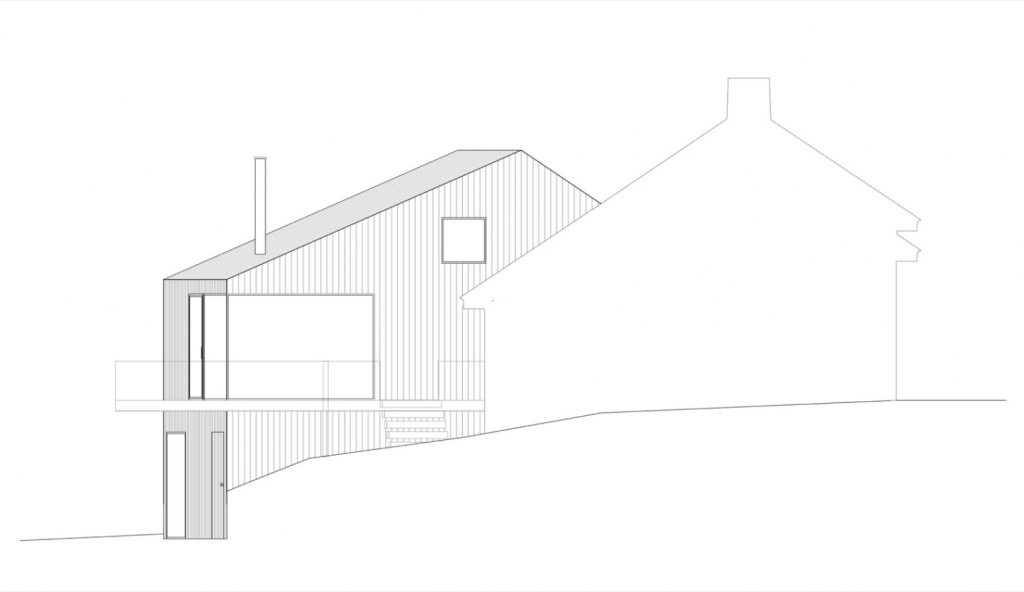
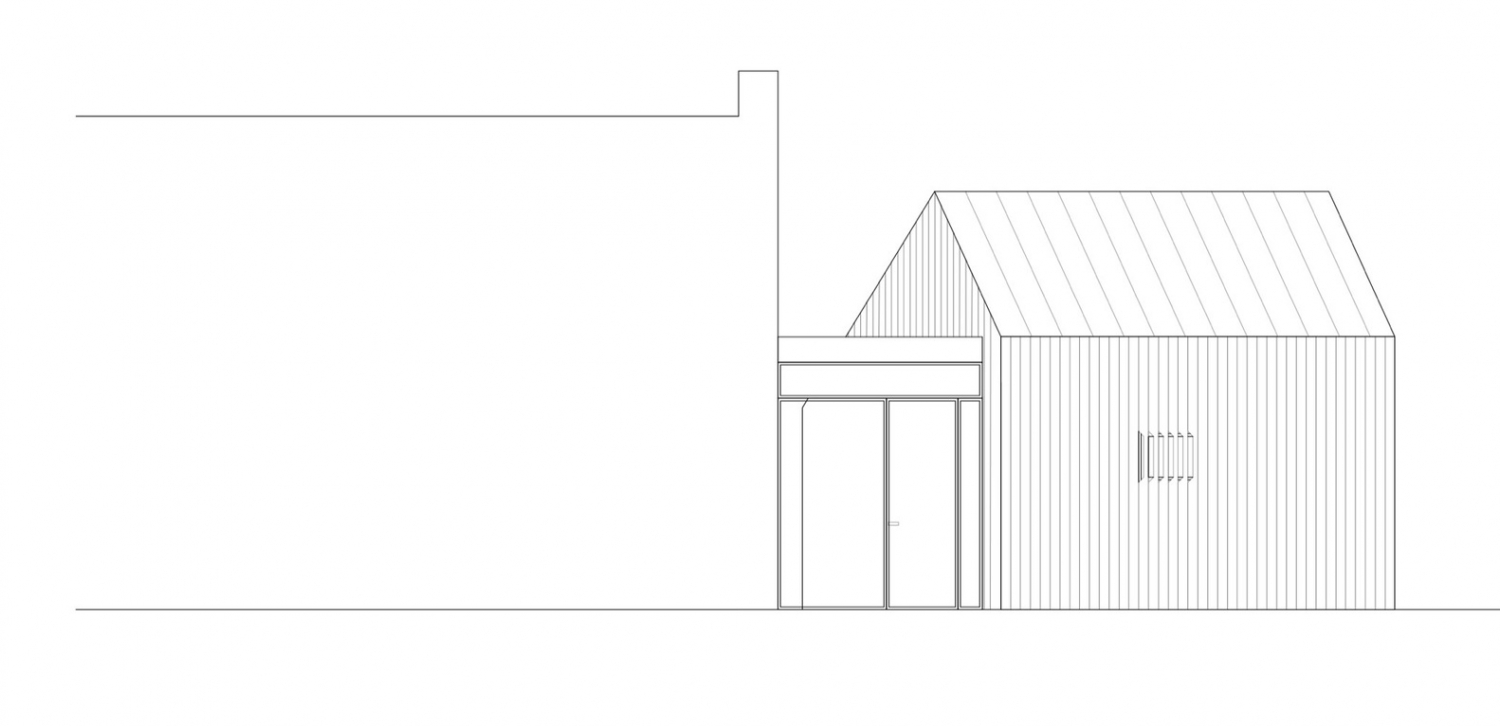
使用一个谷仓山形墙的重复主题来作为设计理念是受到了美国画家查尔斯·希勒和安德鲁·怀斯的启发而得到的。雕刻般大谷仓的朝向是根据斜坡风景地貌决定的,因此这里有很多有趣的组织,很多位于不同方向上的建筑体量可以被看做是一个分层的附加结构。这栋住宅坐落在一个由本地的鞍形屋顶谷仓组成的区域中,在过去的200年时间里,这里的鞍形屋顶谷仓被不断的扩展和增加着。 主要住宅的扩建部分延续了这个区域中建筑体量的无计划系统,即位于一个斜坡草地上却又拥有不同的朝向。这栋住宅包含了一个大的、开放的睡眠空间,在这个空间中可以看见位于森林中的一块空地,还有一个盥洗室以及一个连通房,连通房中从地面到天花板的空间都用来存放书籍。可以从外面进入的较低楼层包含了一个带有浴室和杂物间的工作空间。新扩建部分的每个元素-建筑体量本身、连接器、甲板和坡道-都拥有单独的朝向,这遵循着旧周边建筑体量的原始逻辑。 译者:蝈蝈 The idea of working with repeated motifs of a barn gable is inspired by the American painters Charles Sheeler and Andrew Wyeth. Sculptural monoliths of barns are oriented according to the sloping landscapes giving interesting compositions where many volumes in various directions can be seen as a layered additive structure.The house is located in an ensemble of vernacular saddle roofed barns gradually extended and added over the last 200 years. The new extension of the main house continues building on an unplanned system of diversely oriented volumes on a sloping meadow.It contains a large open sleeping space overlooking a clearing in the forest, a bathroom as well as a connecting room used for storage of books from floor to ceiling. The lower level accessed from the outside contains a working space with bath and a utility room.Each element of the new extension - the building itself, the connector, the deck and the ramp - is given an individual orientation following the existing logic of the old surrounding buildings.
 关注公众号
关注公众号 川公网安备51010702000609号


 发表于
发表于