摄影师:Nicolás Rudolph, Courtesy of Pablo Canén y Joaquín López
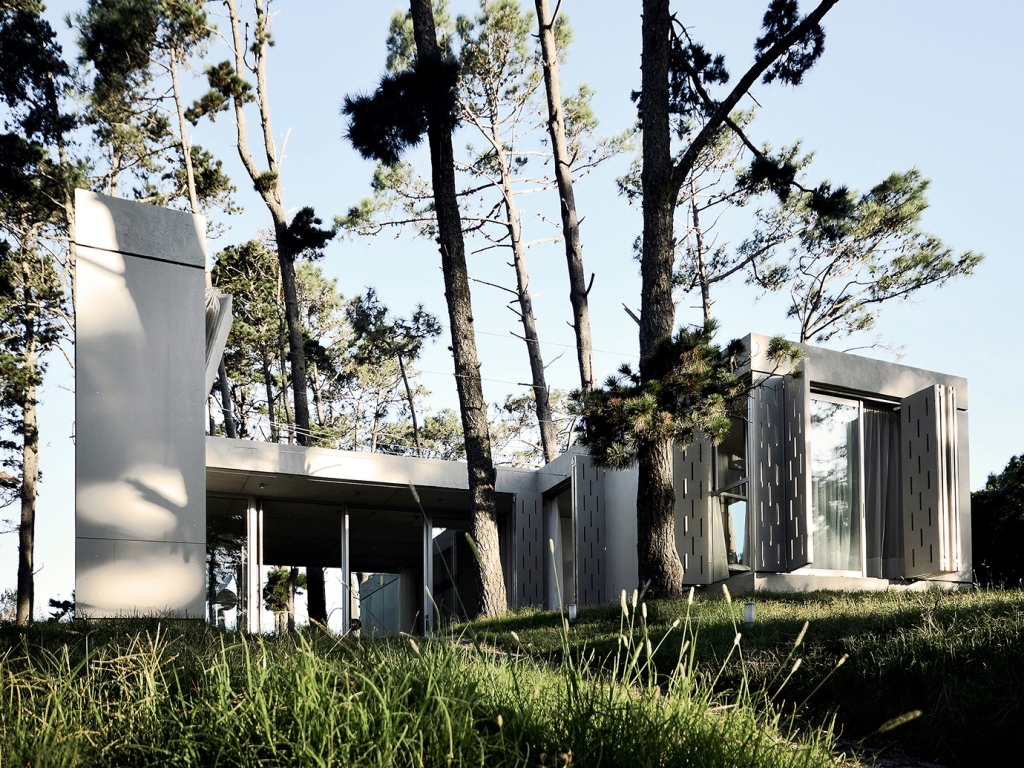
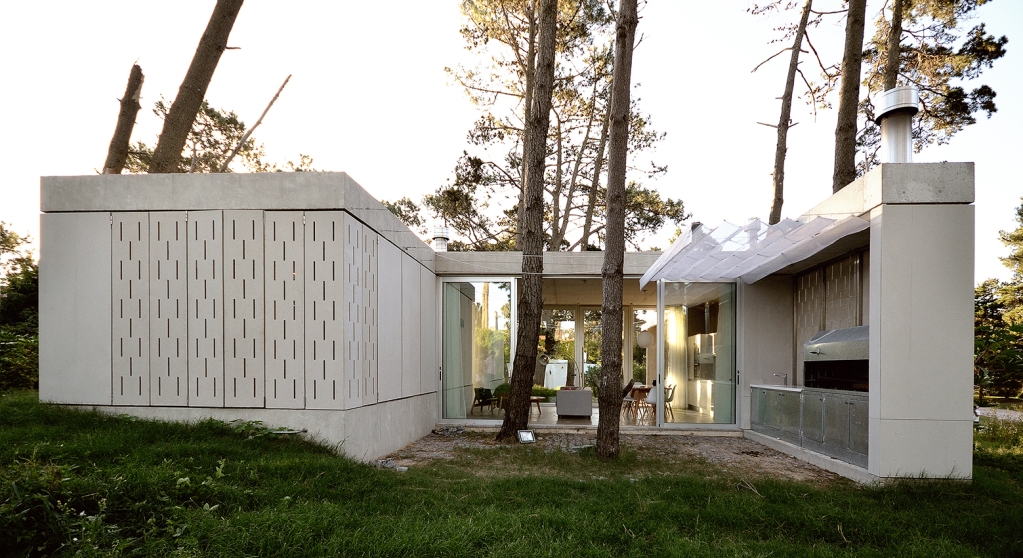
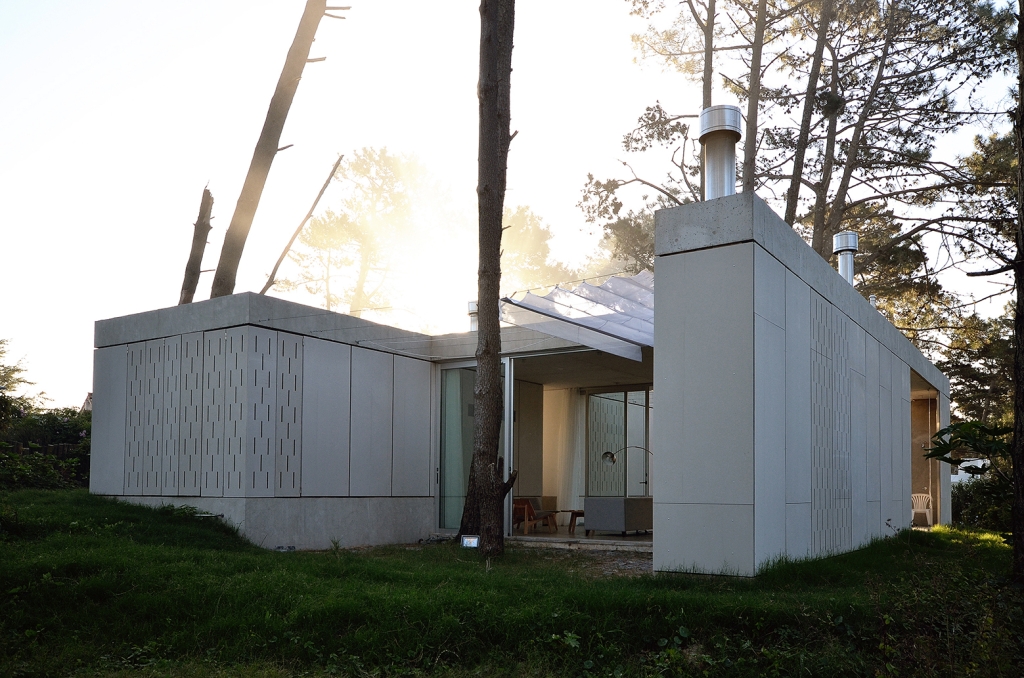
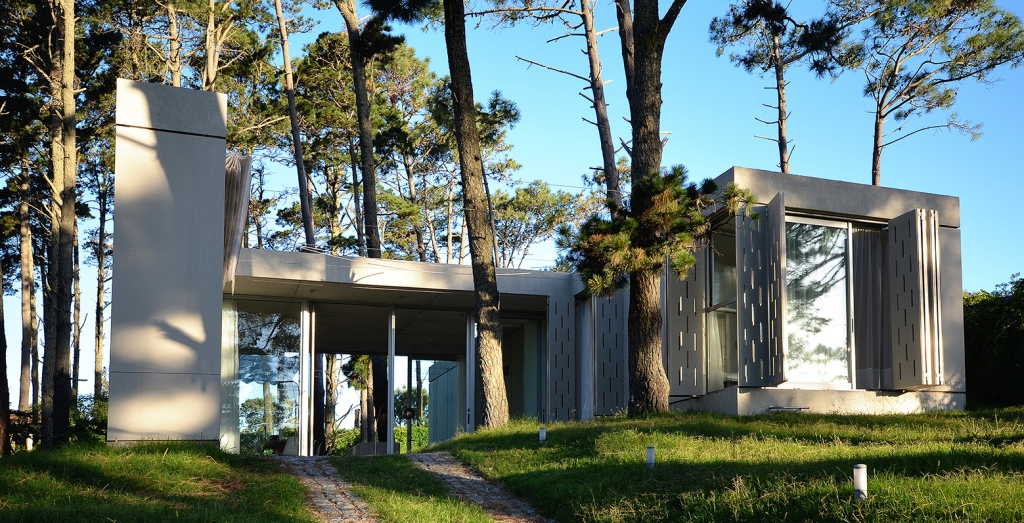
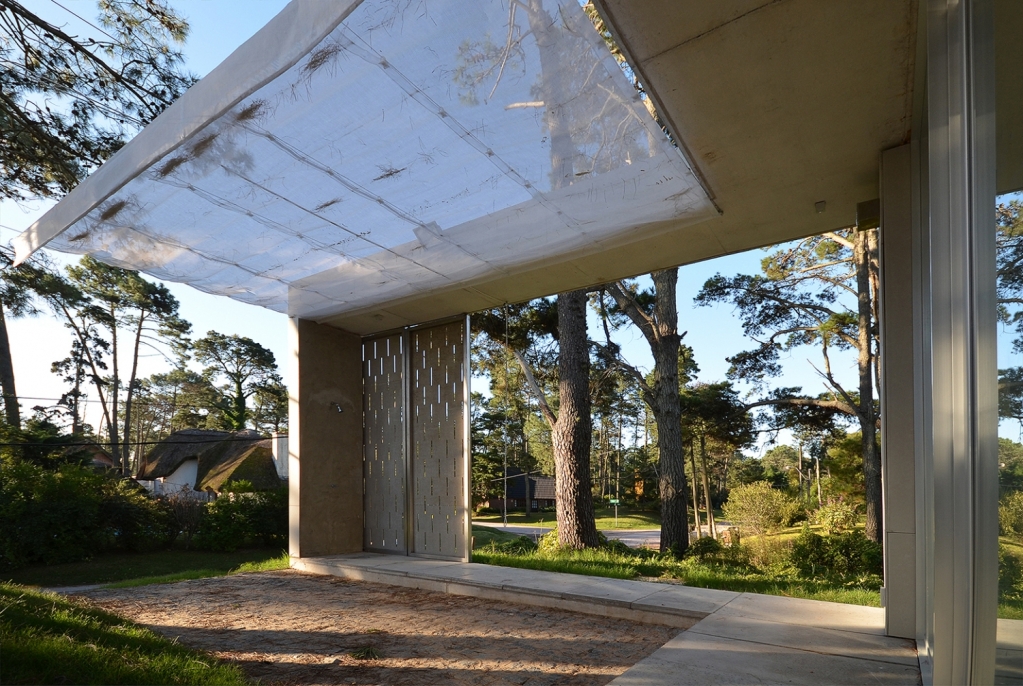
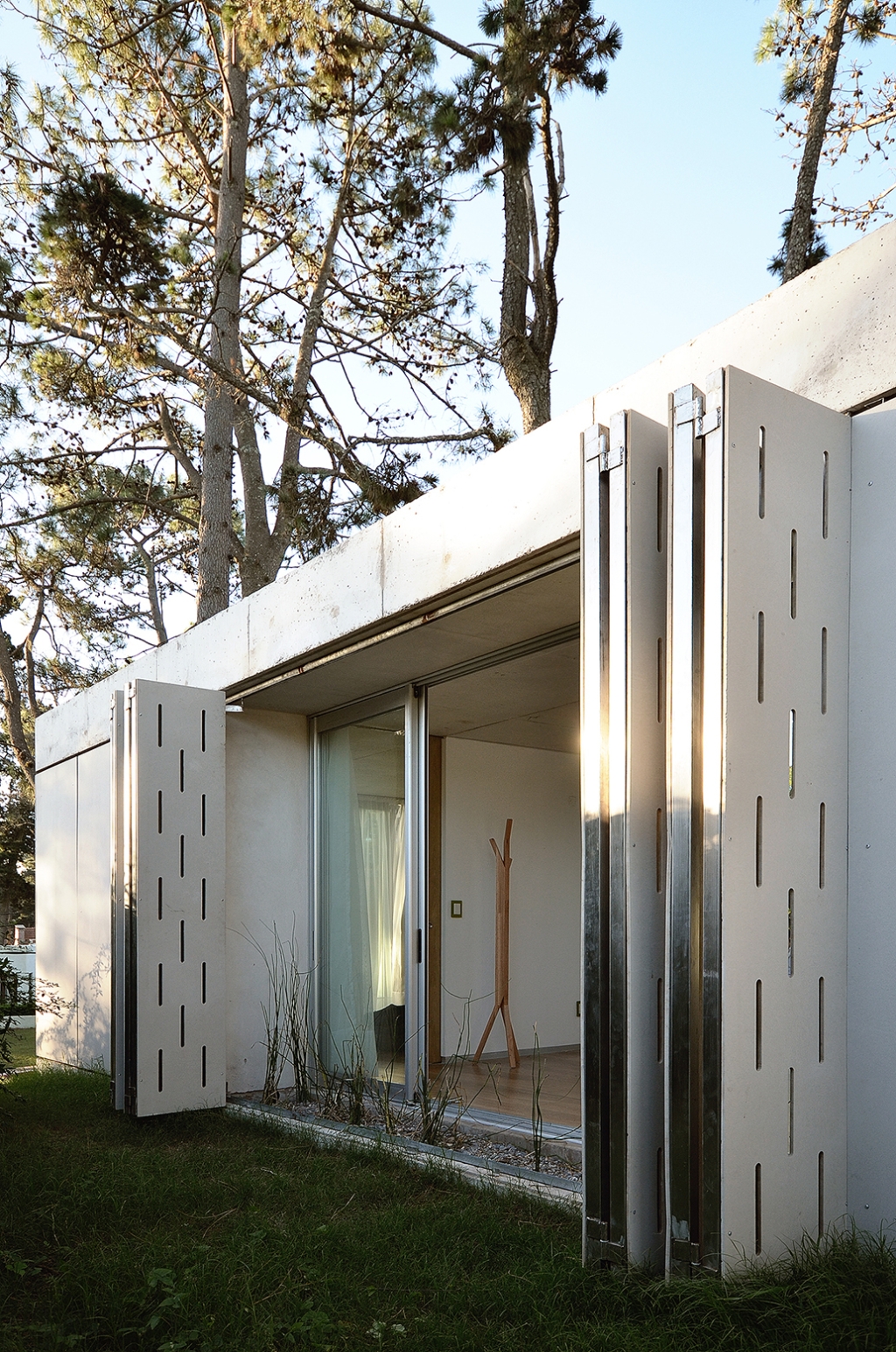
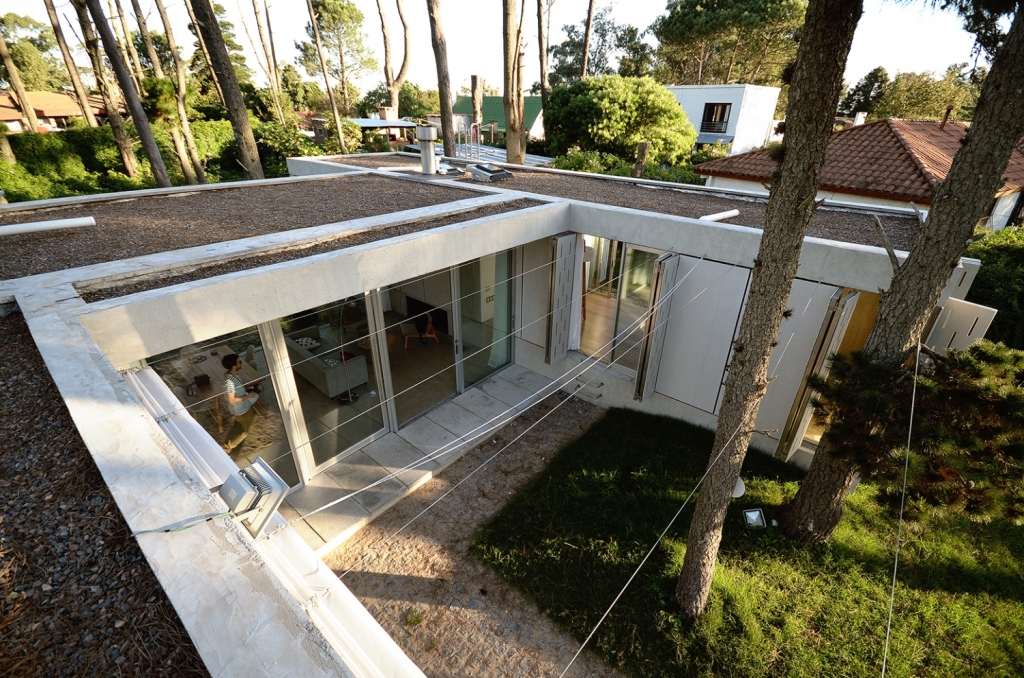
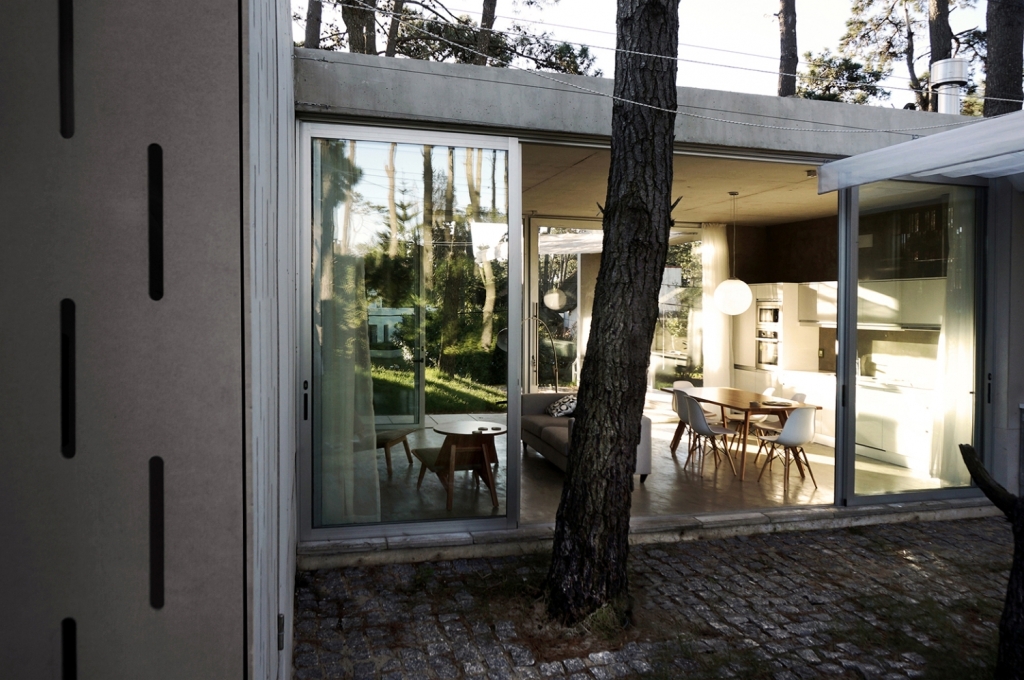
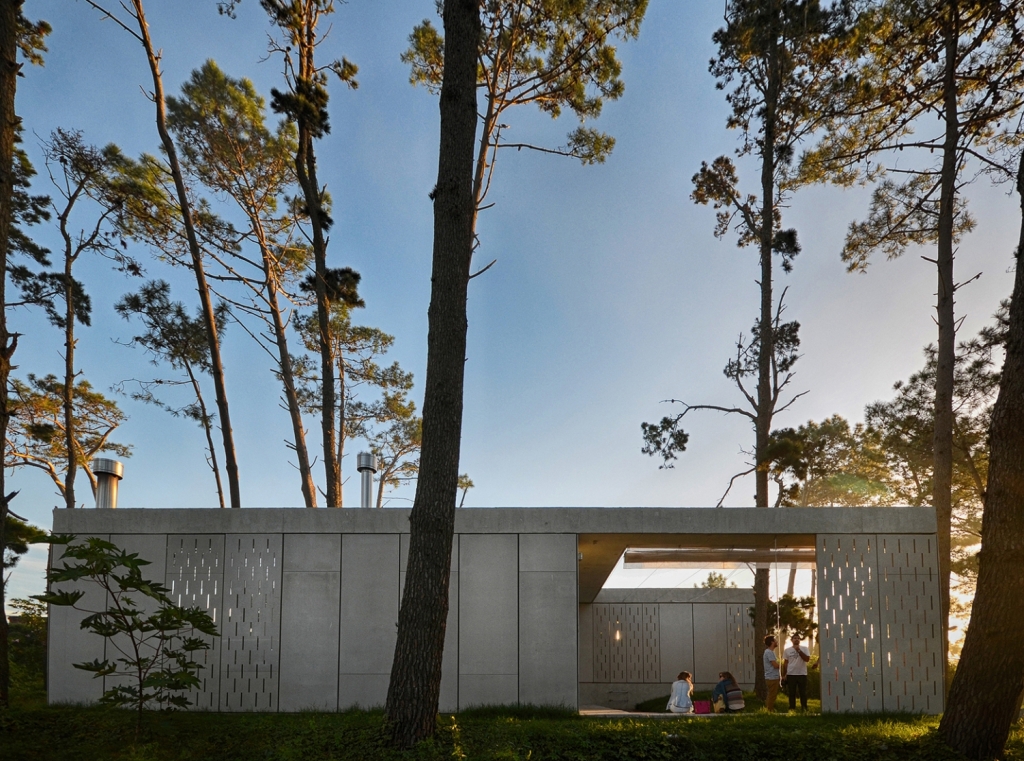
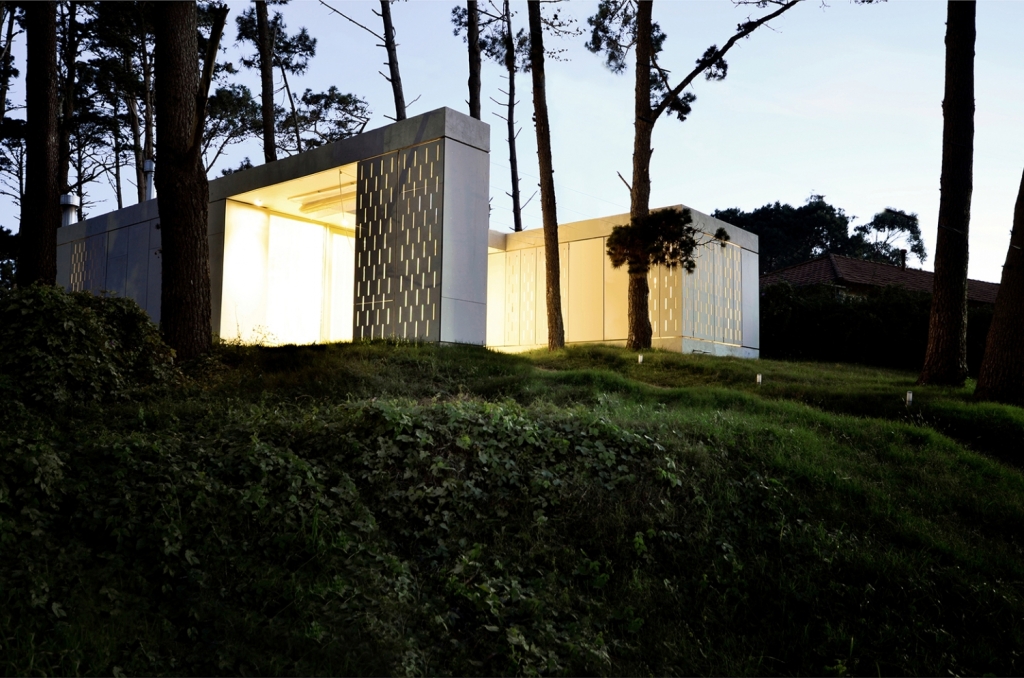
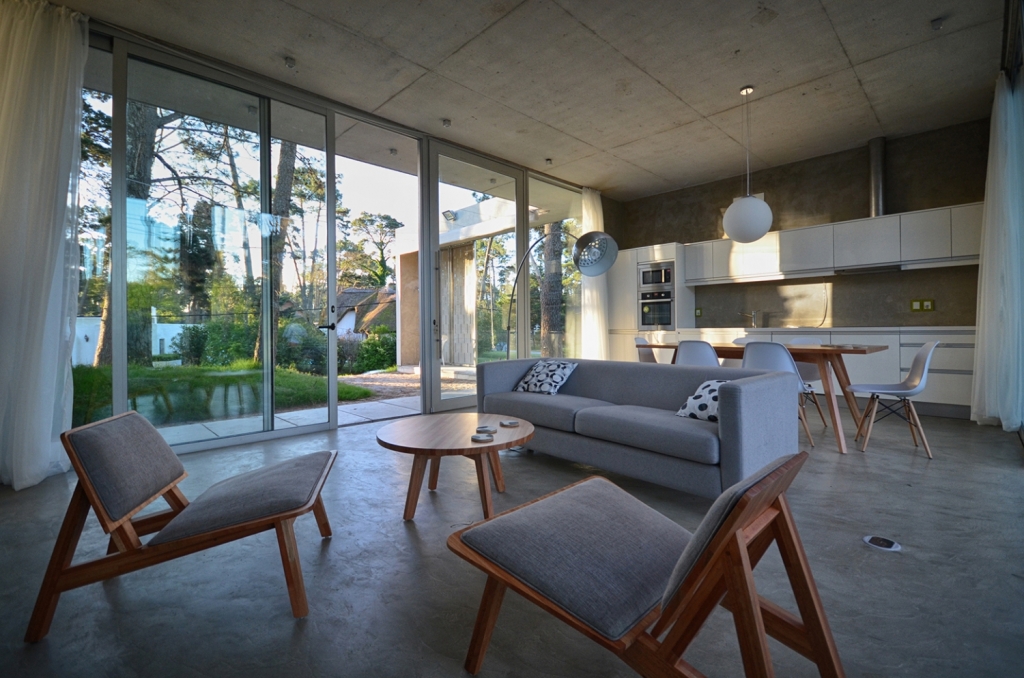
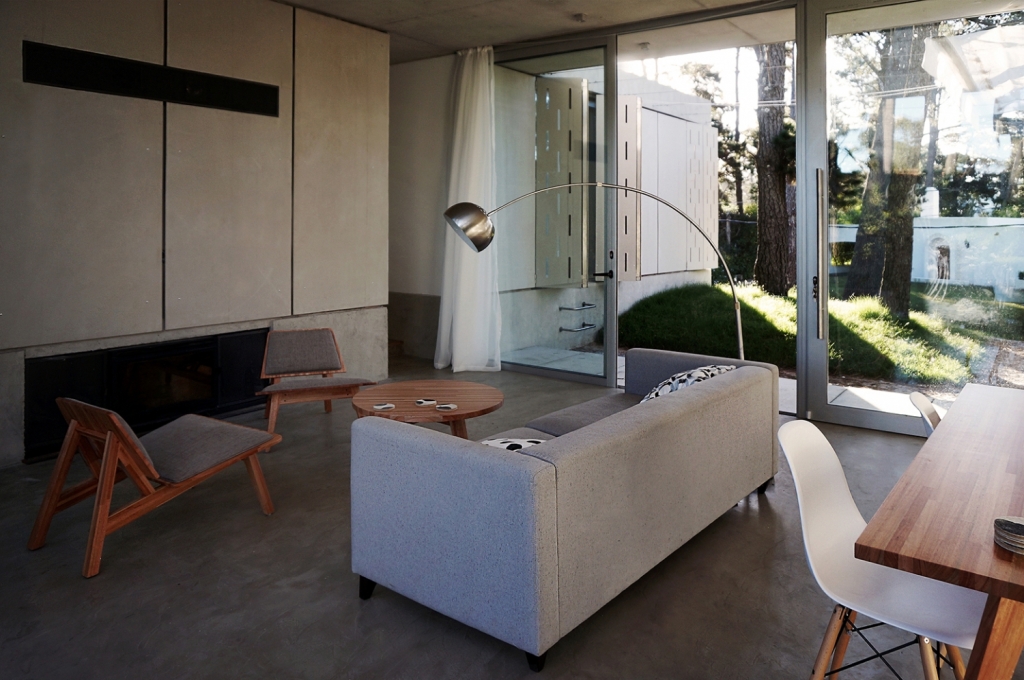
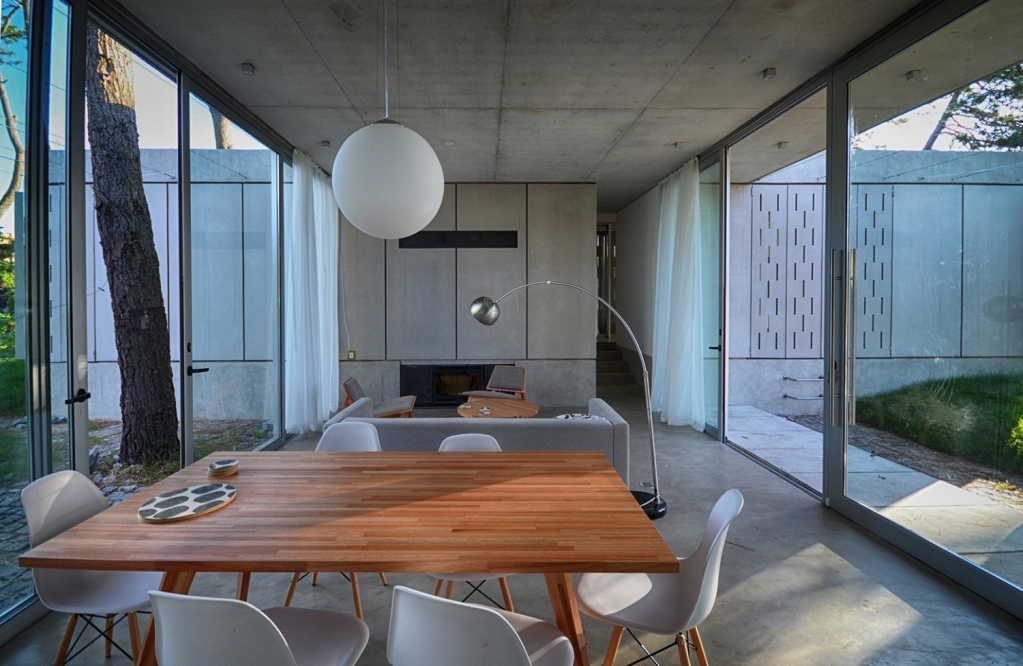
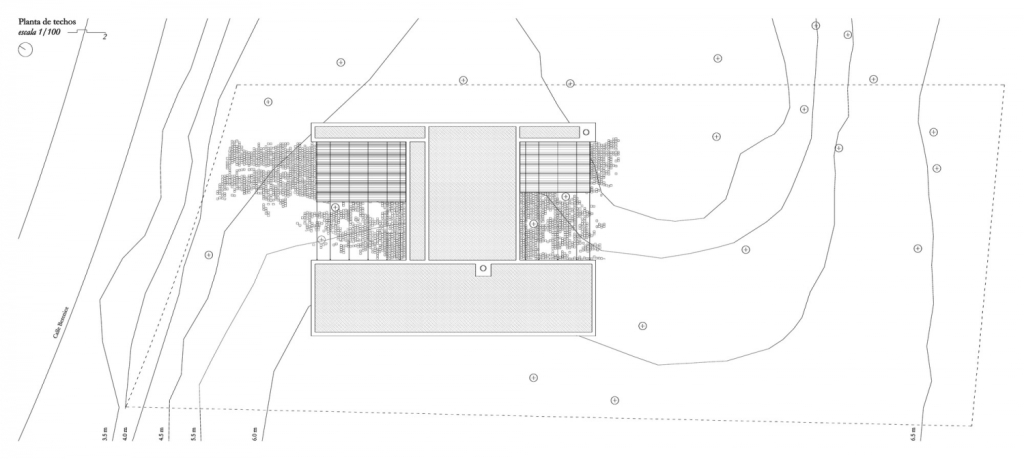
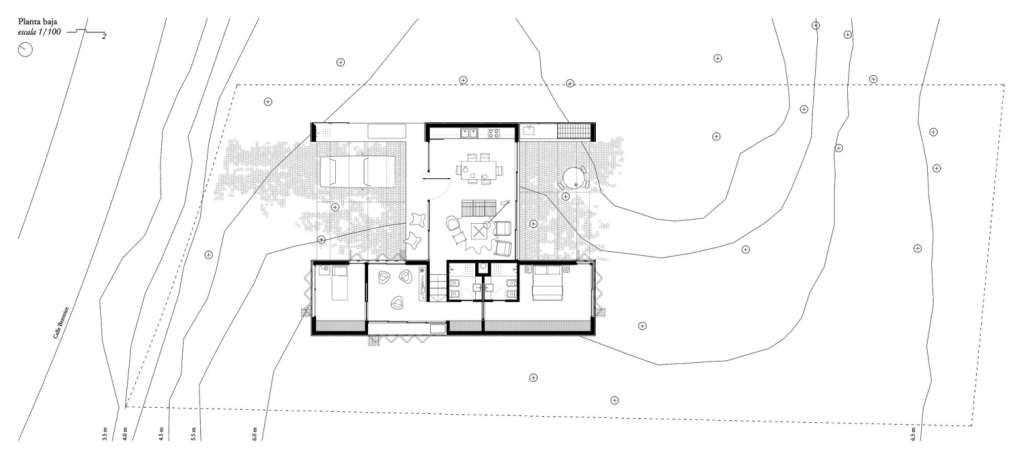
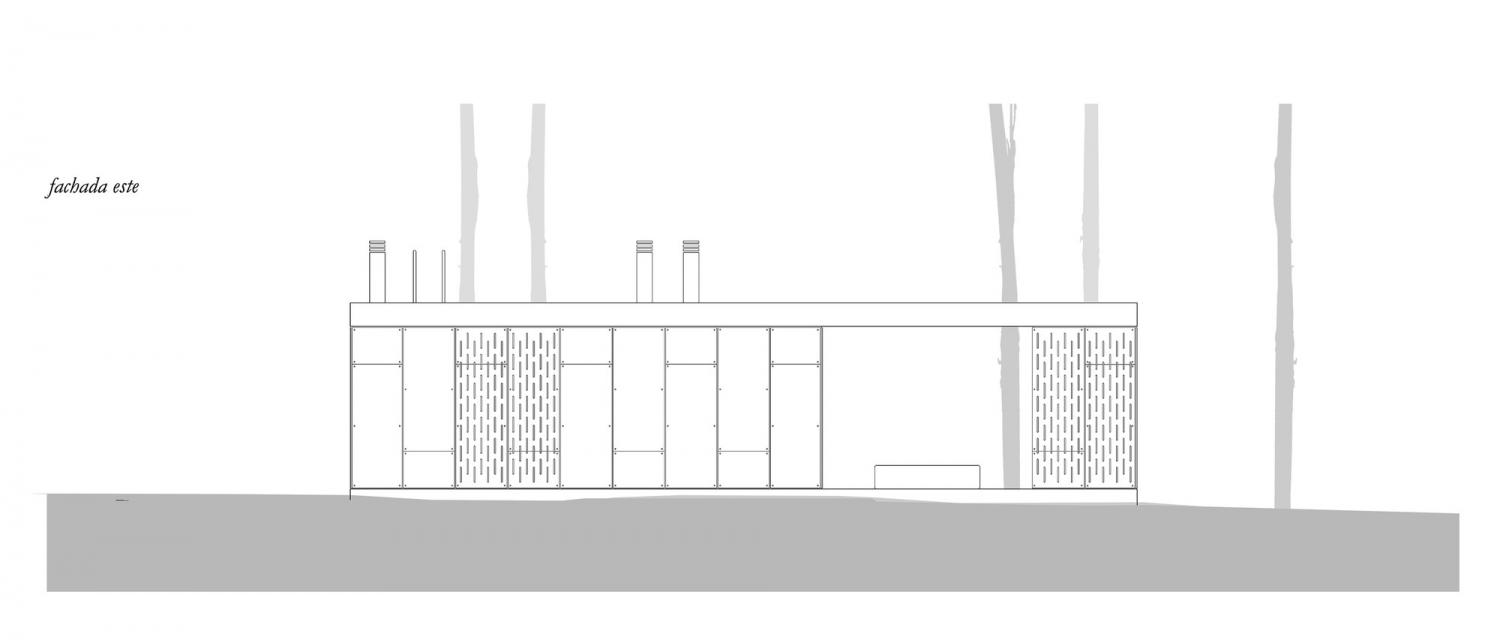
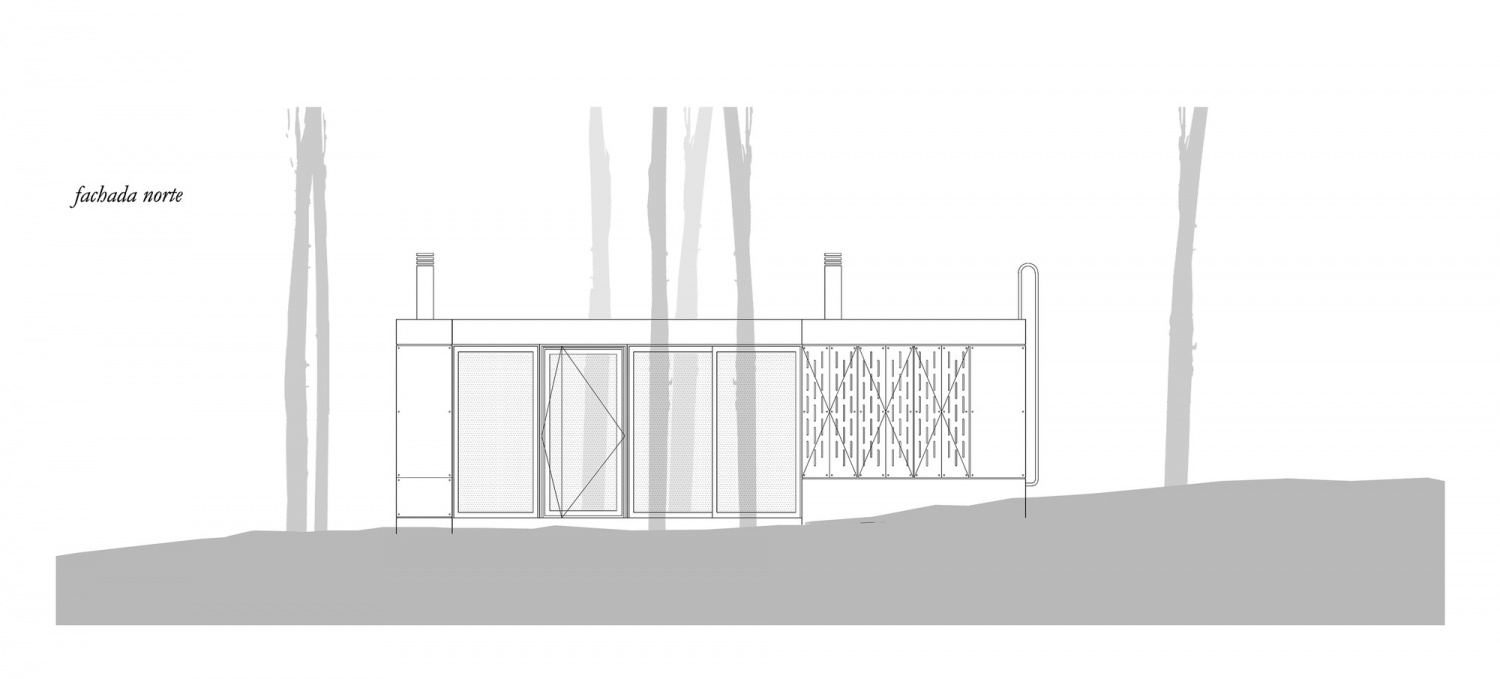
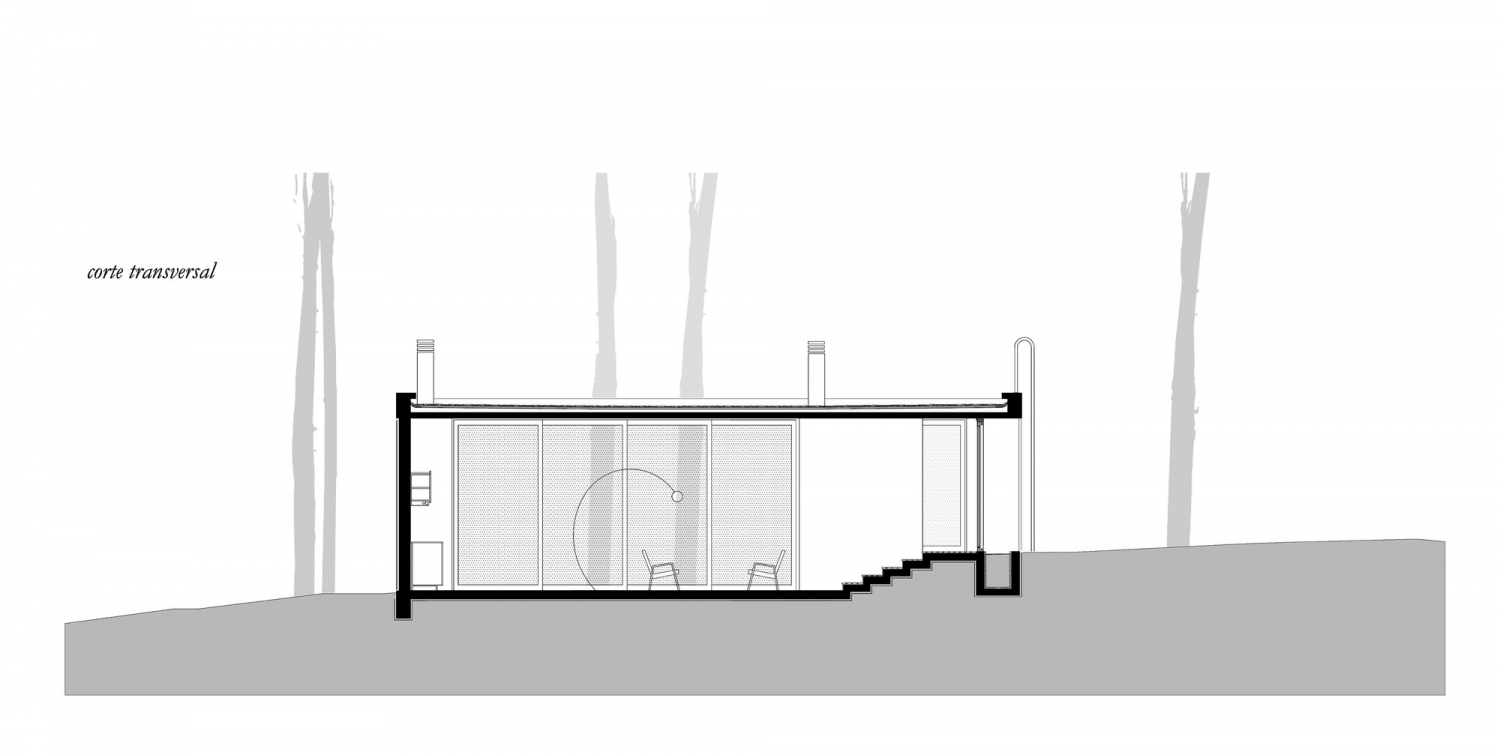
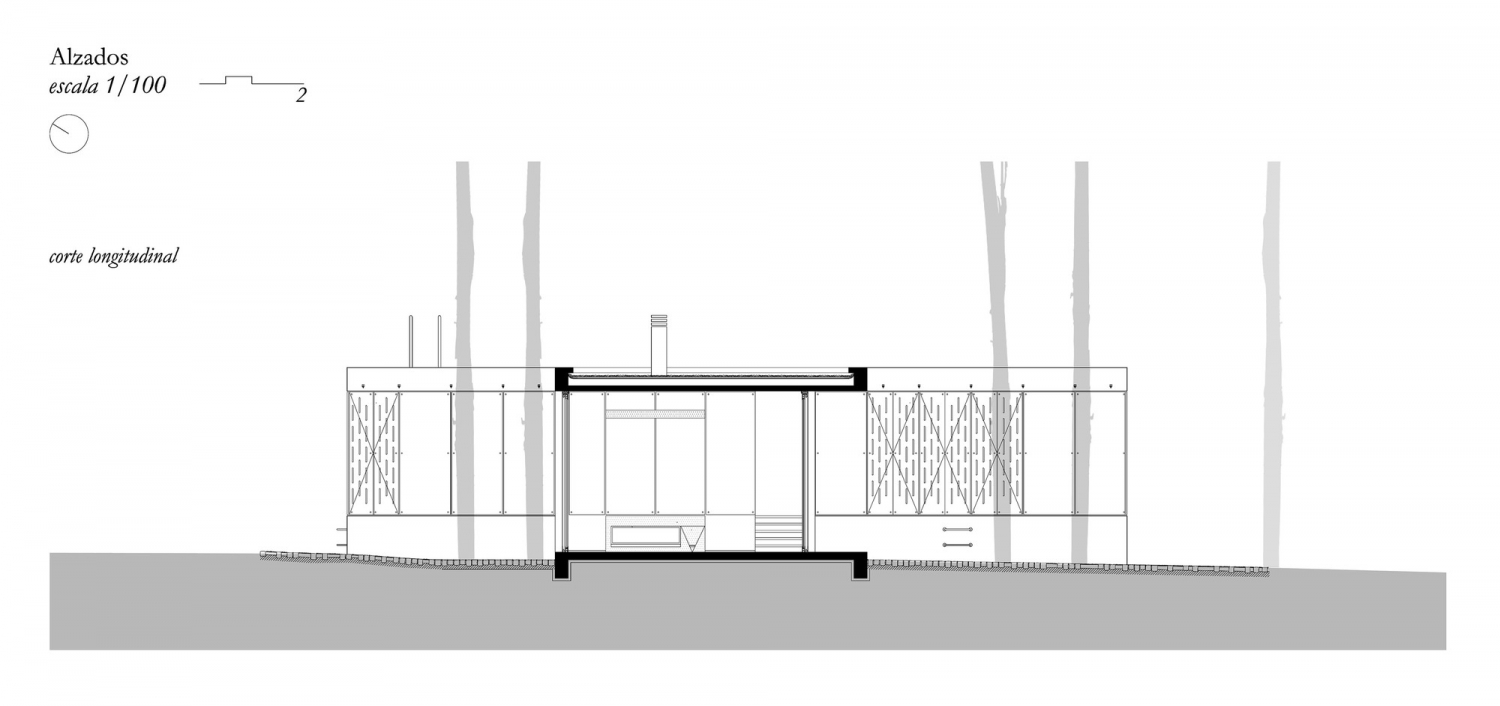
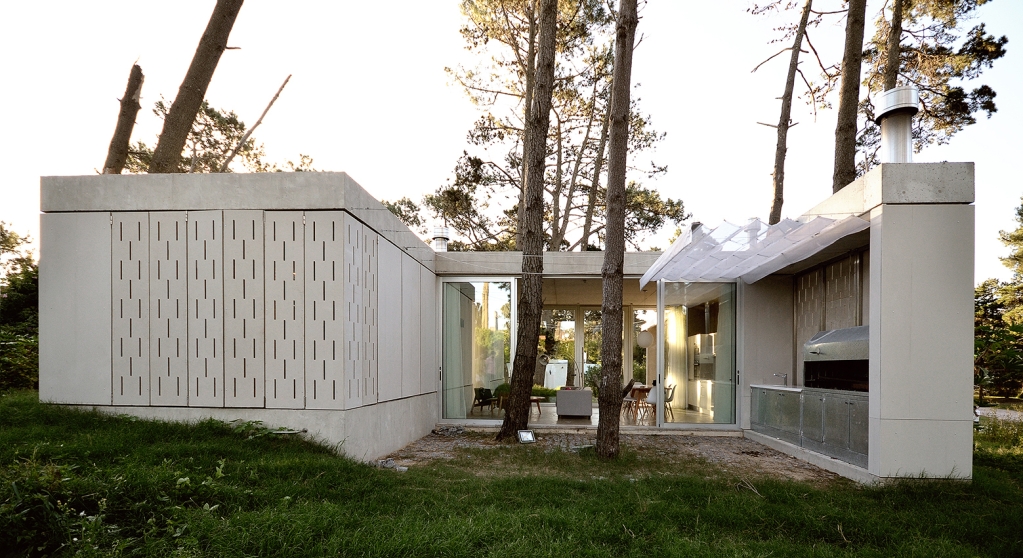
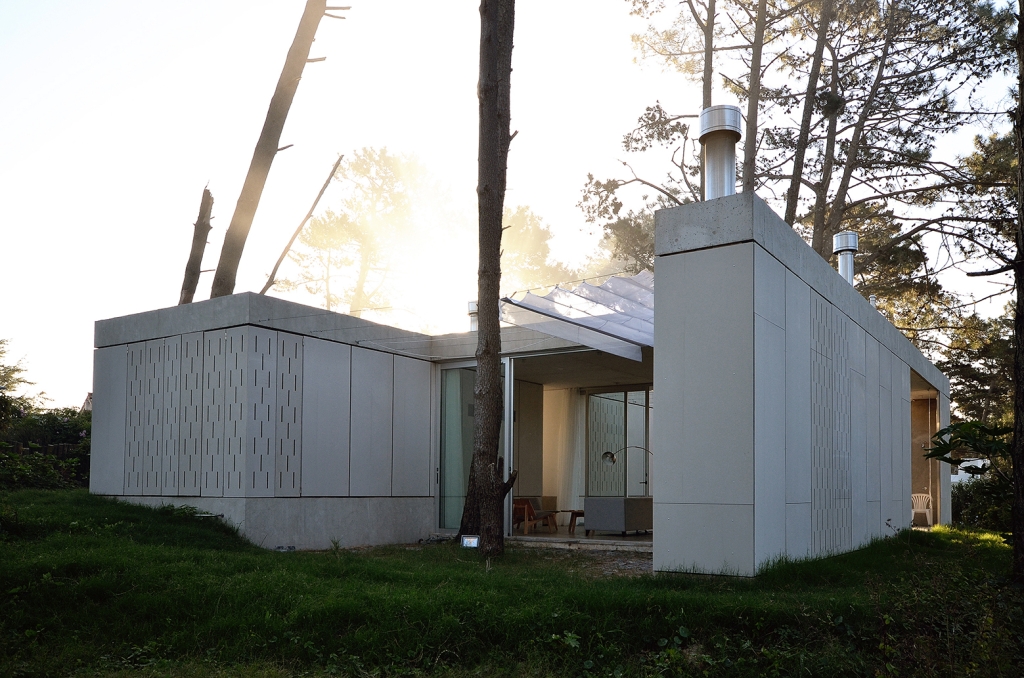
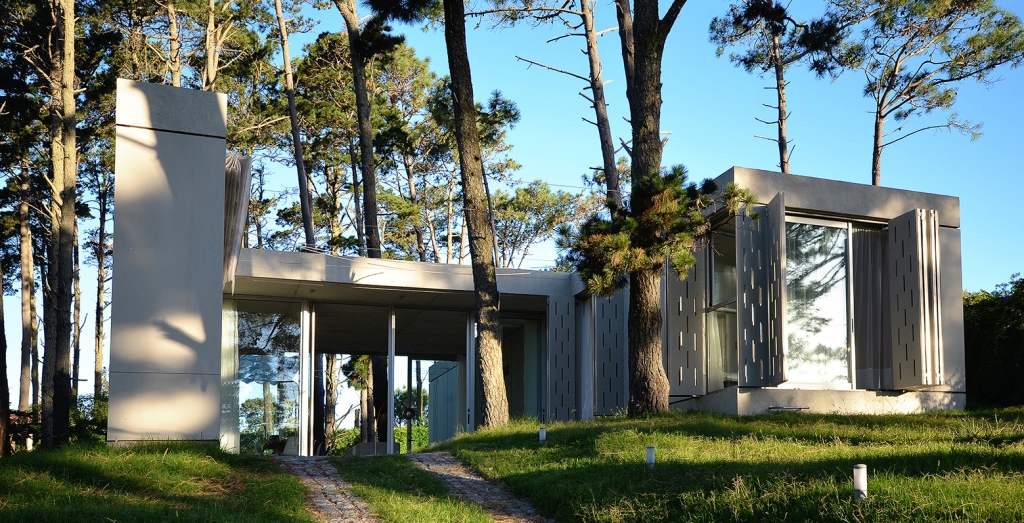
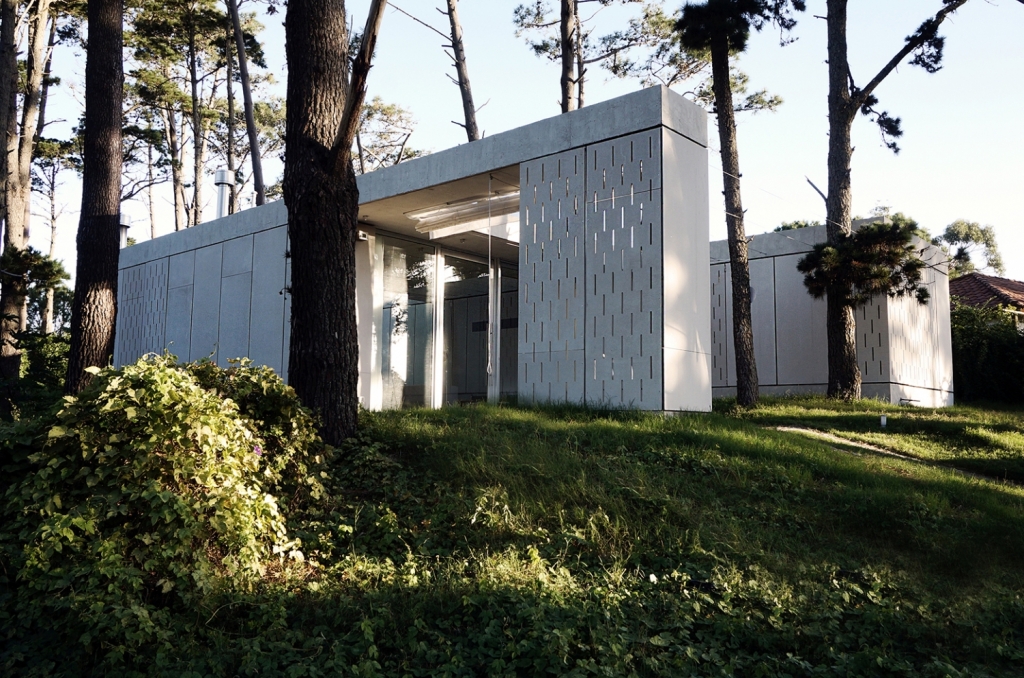
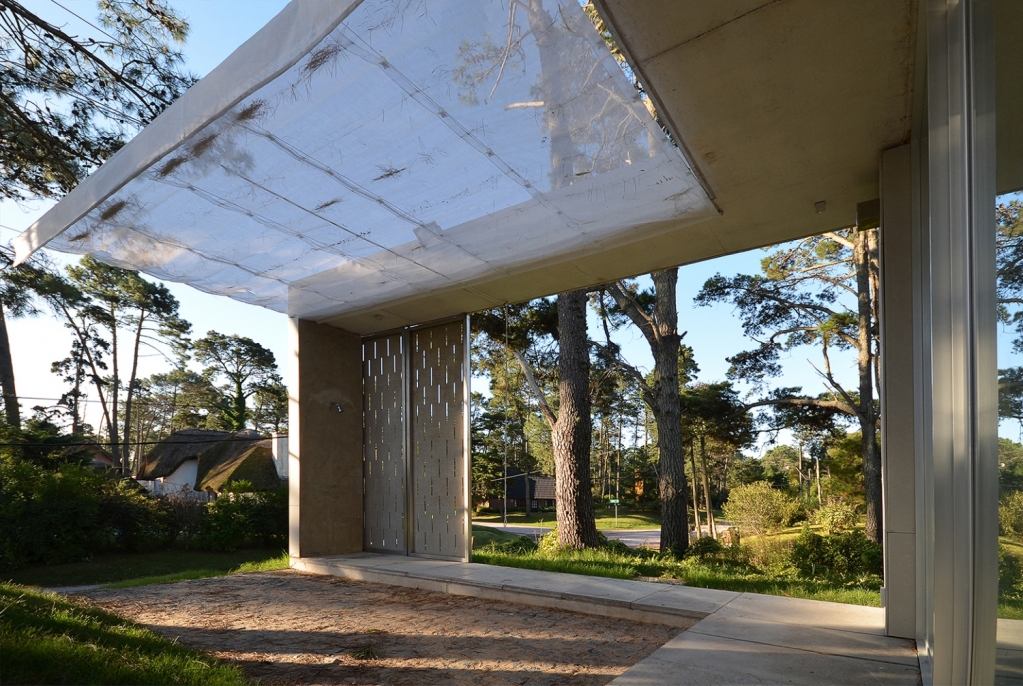
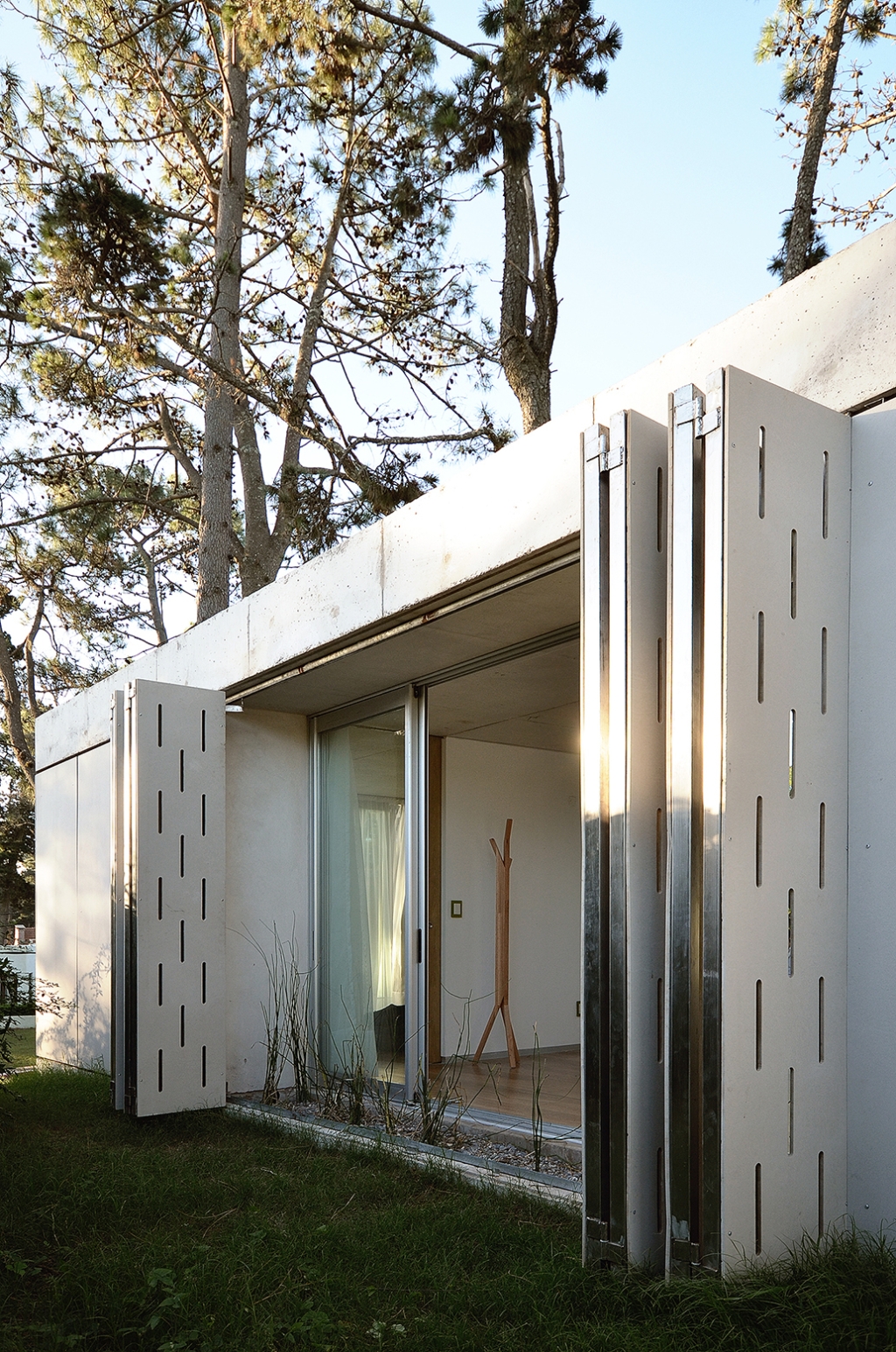
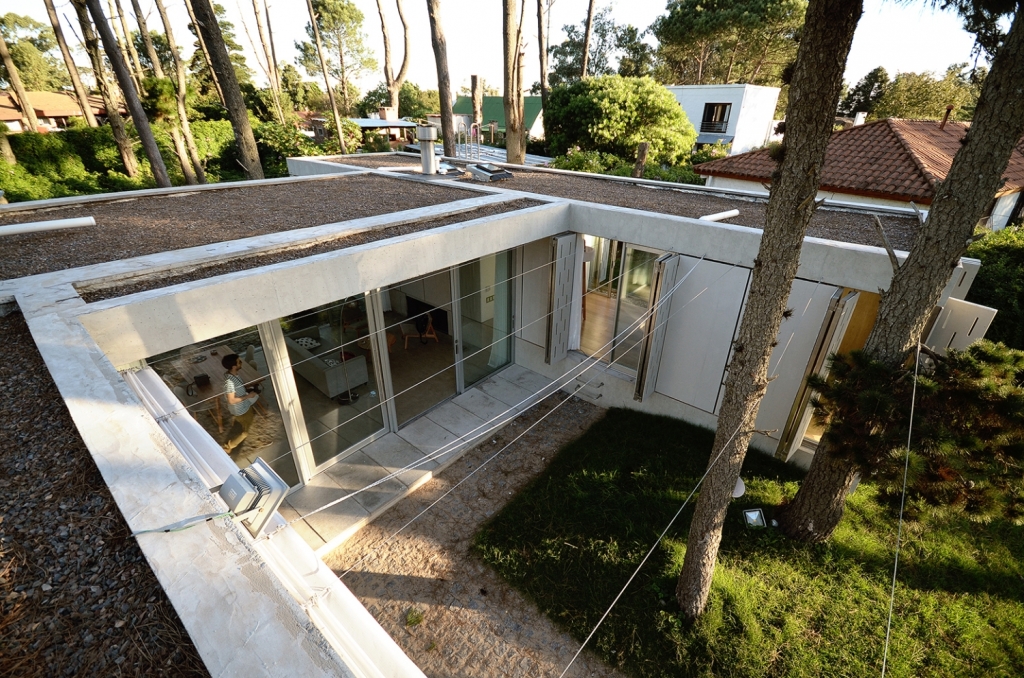
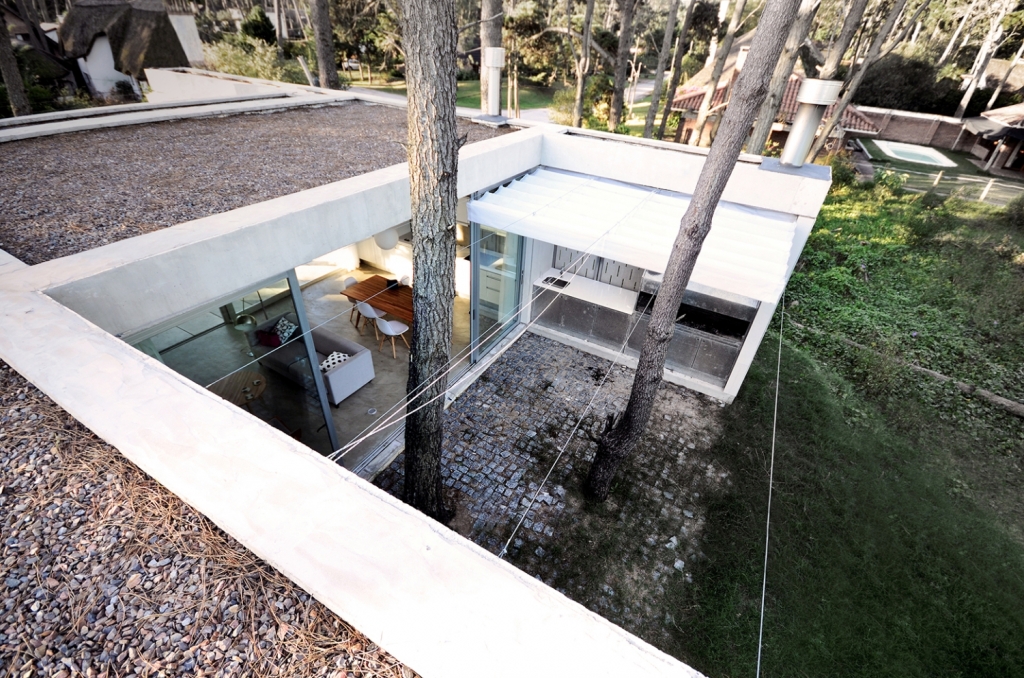
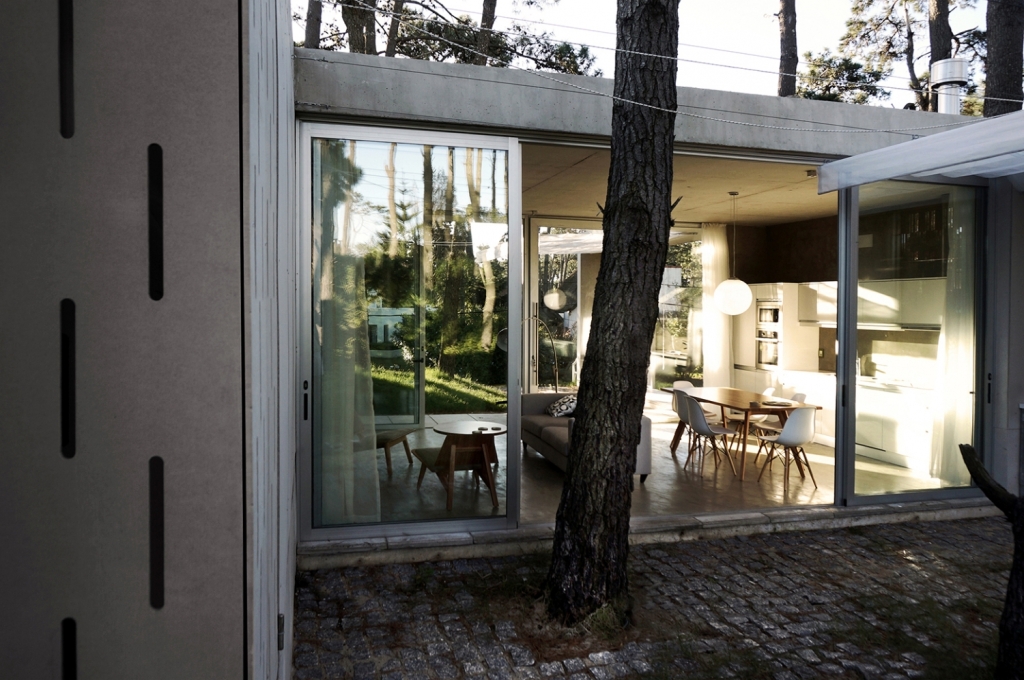
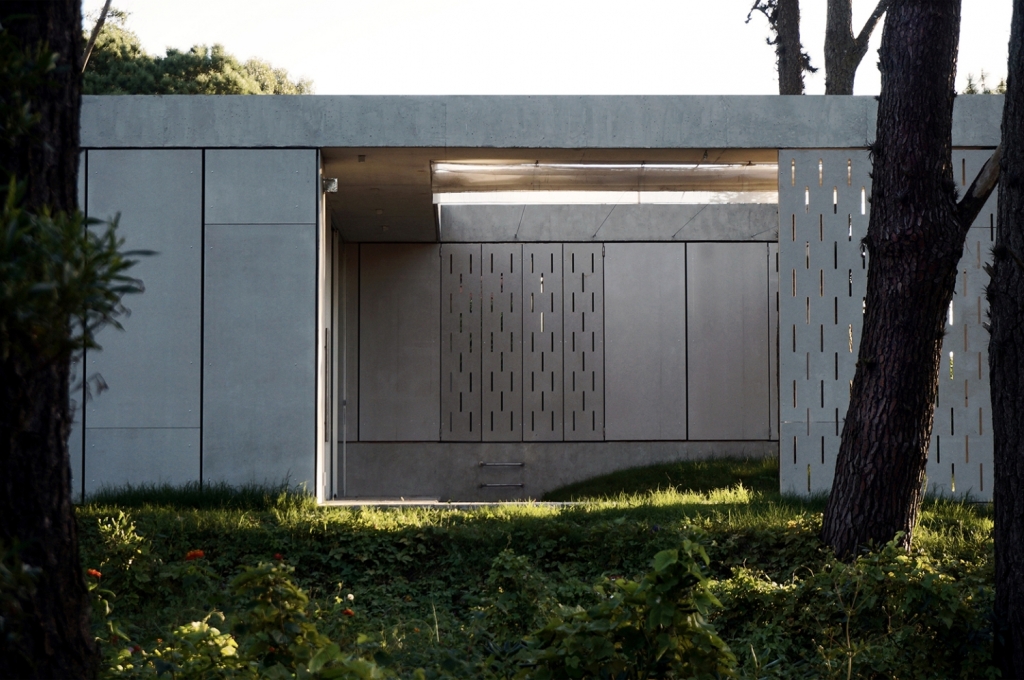
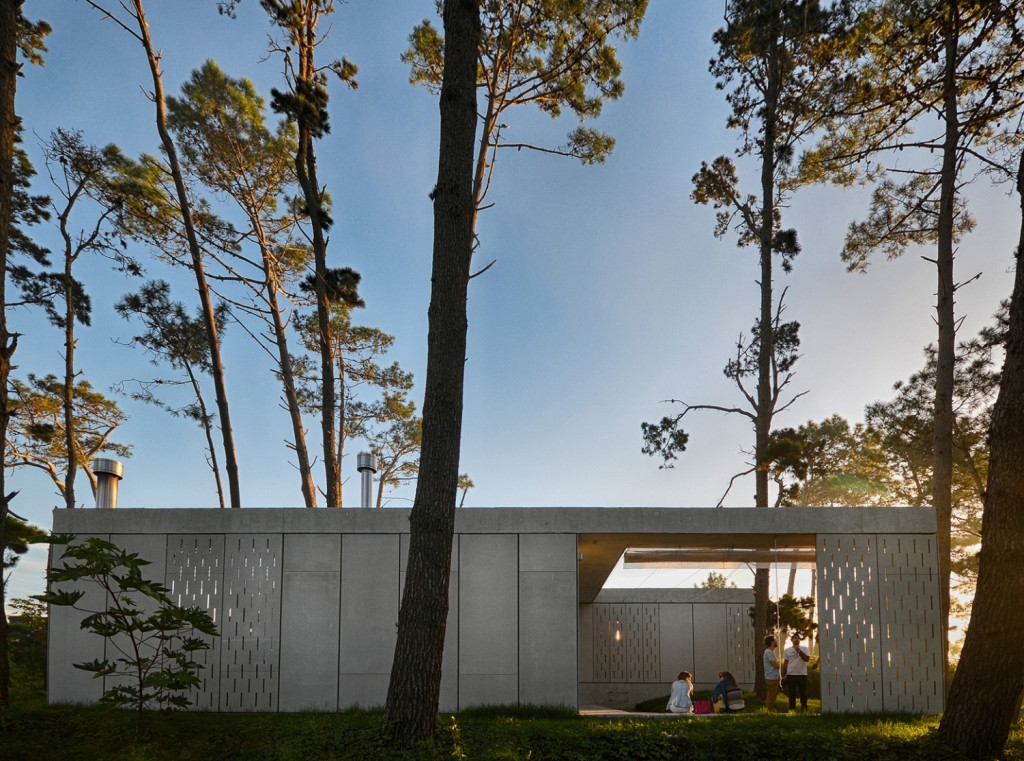
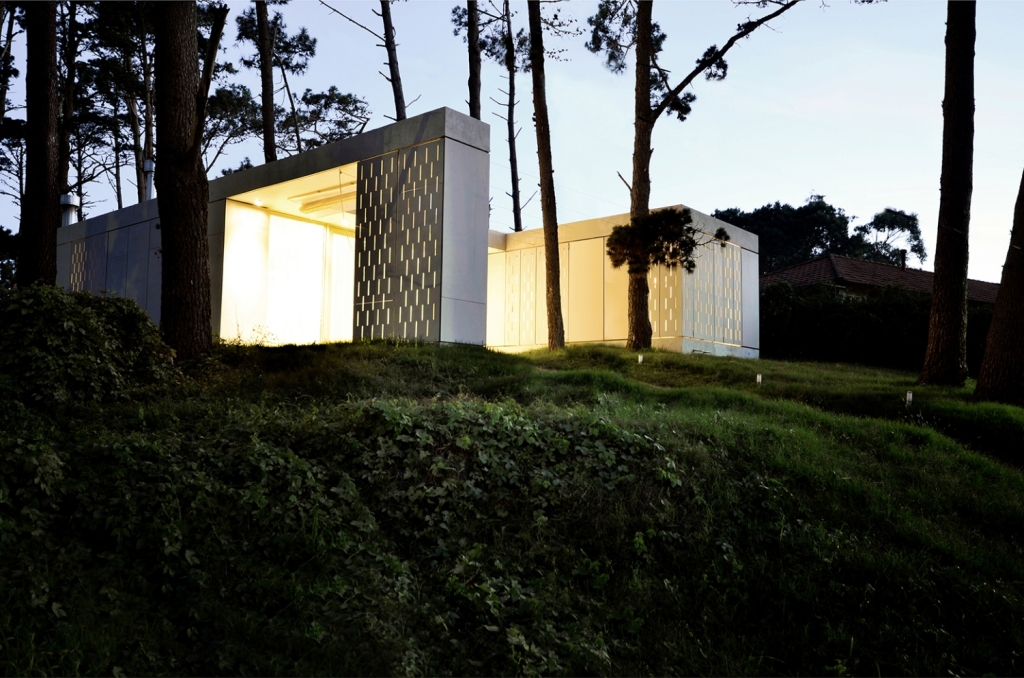
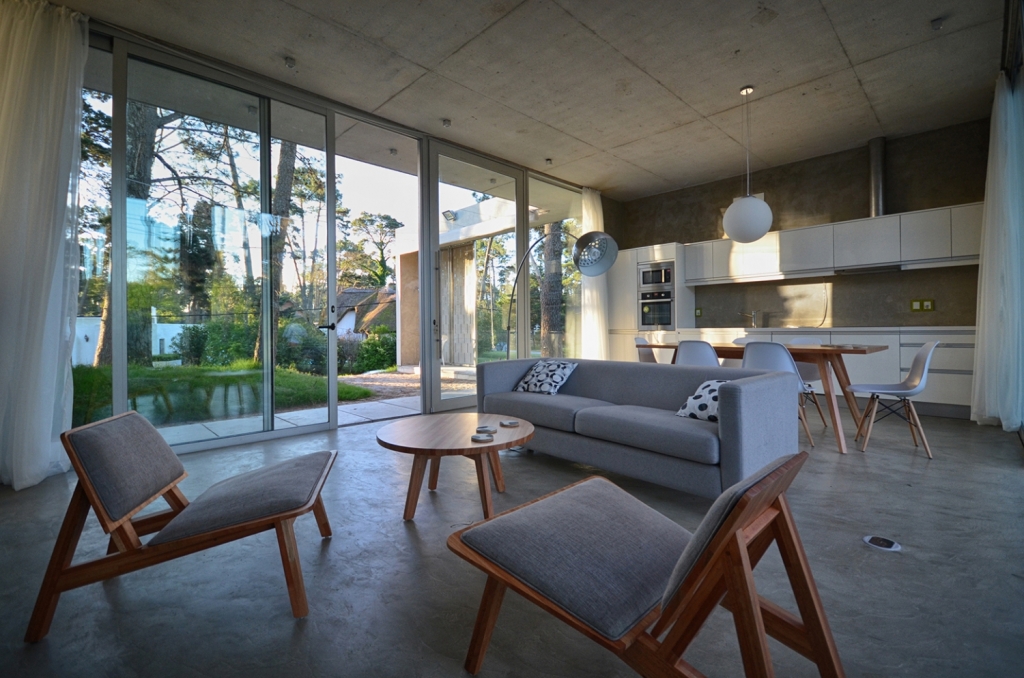
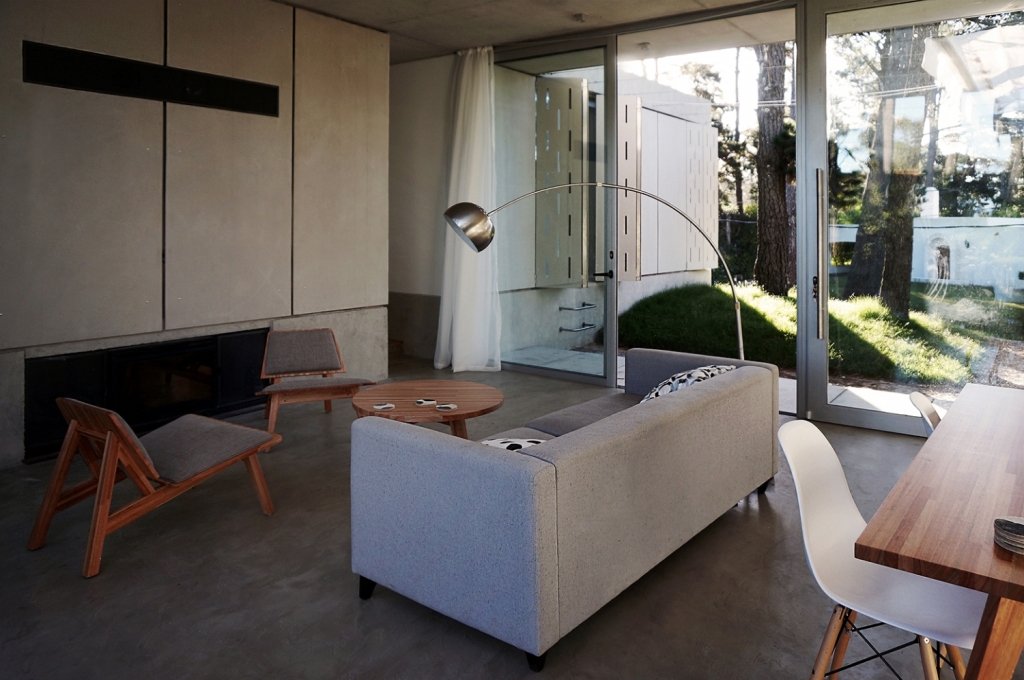
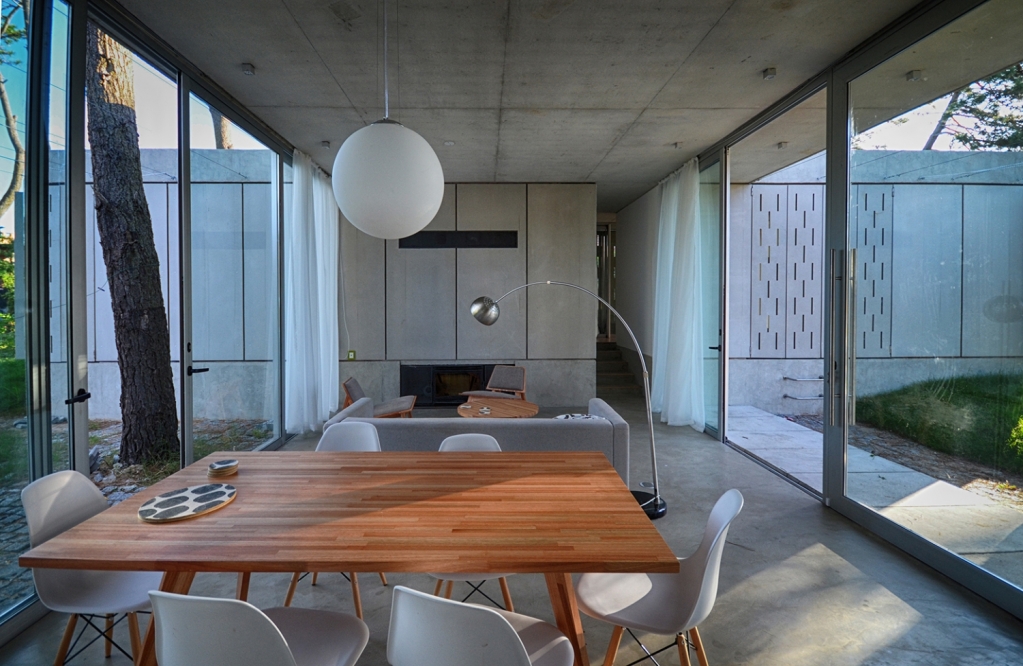
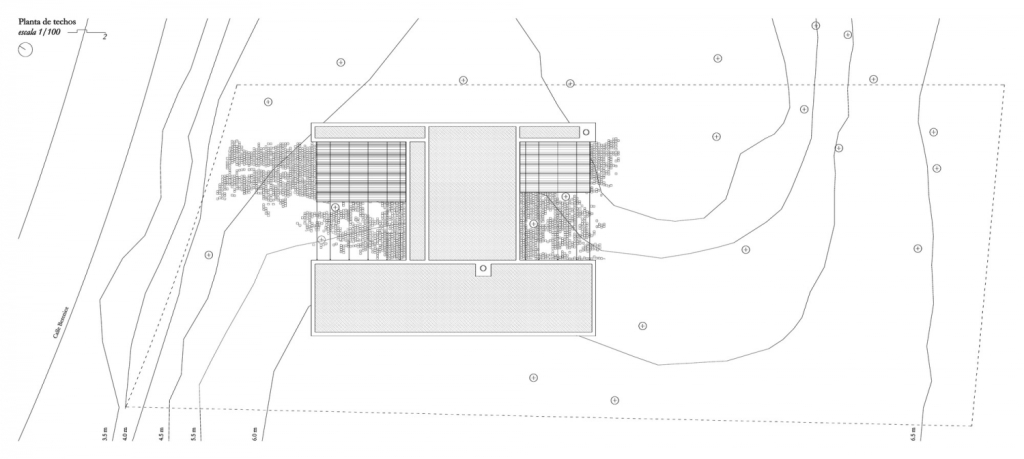
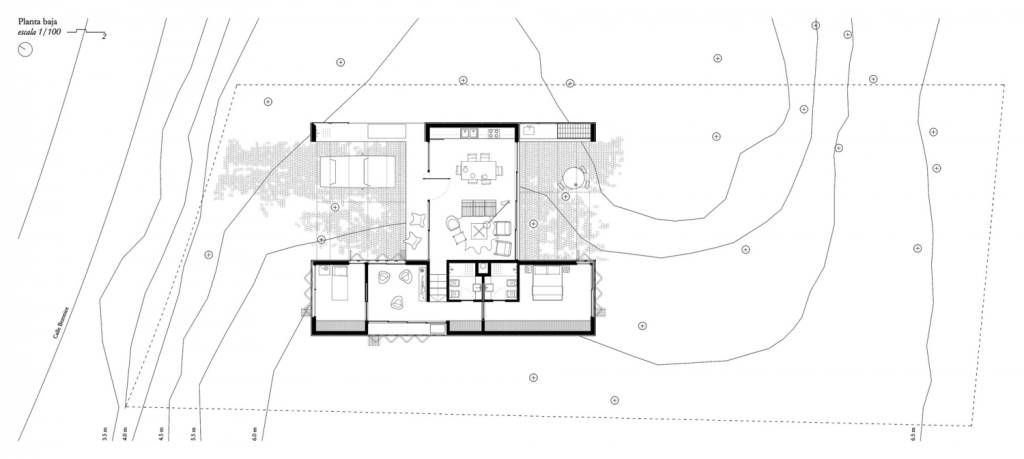
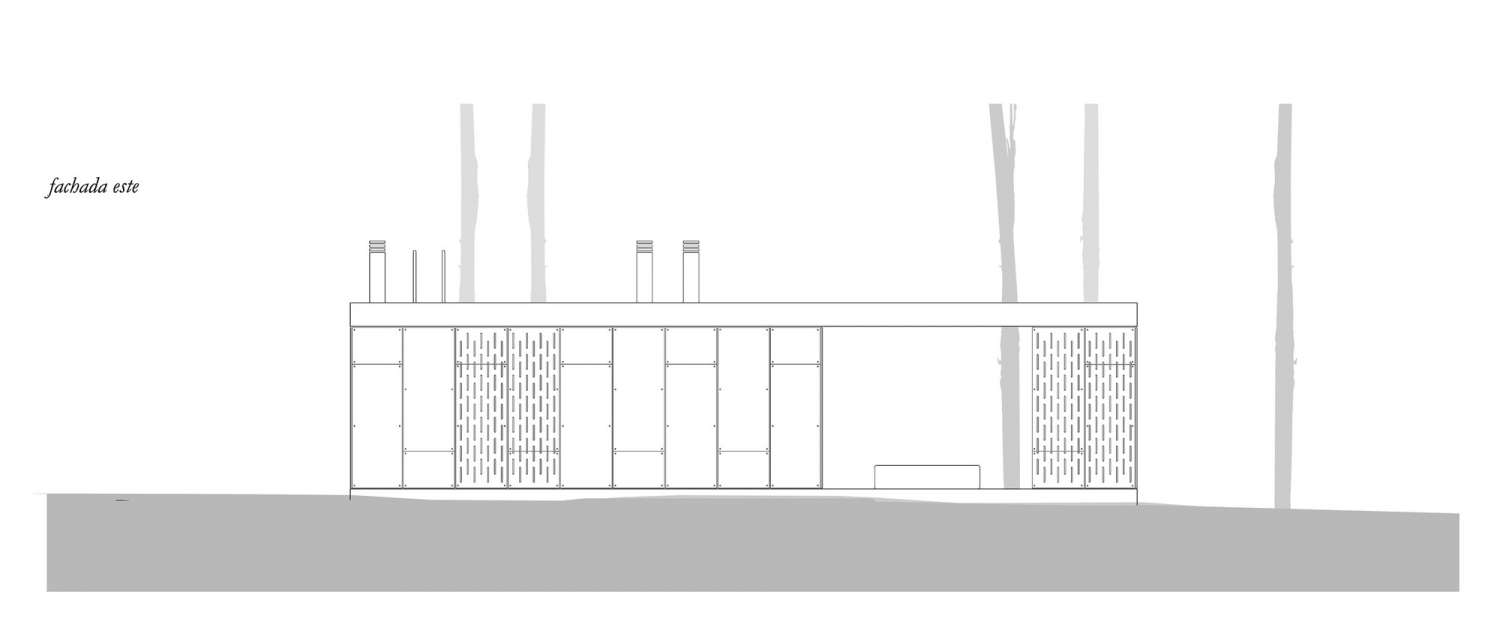
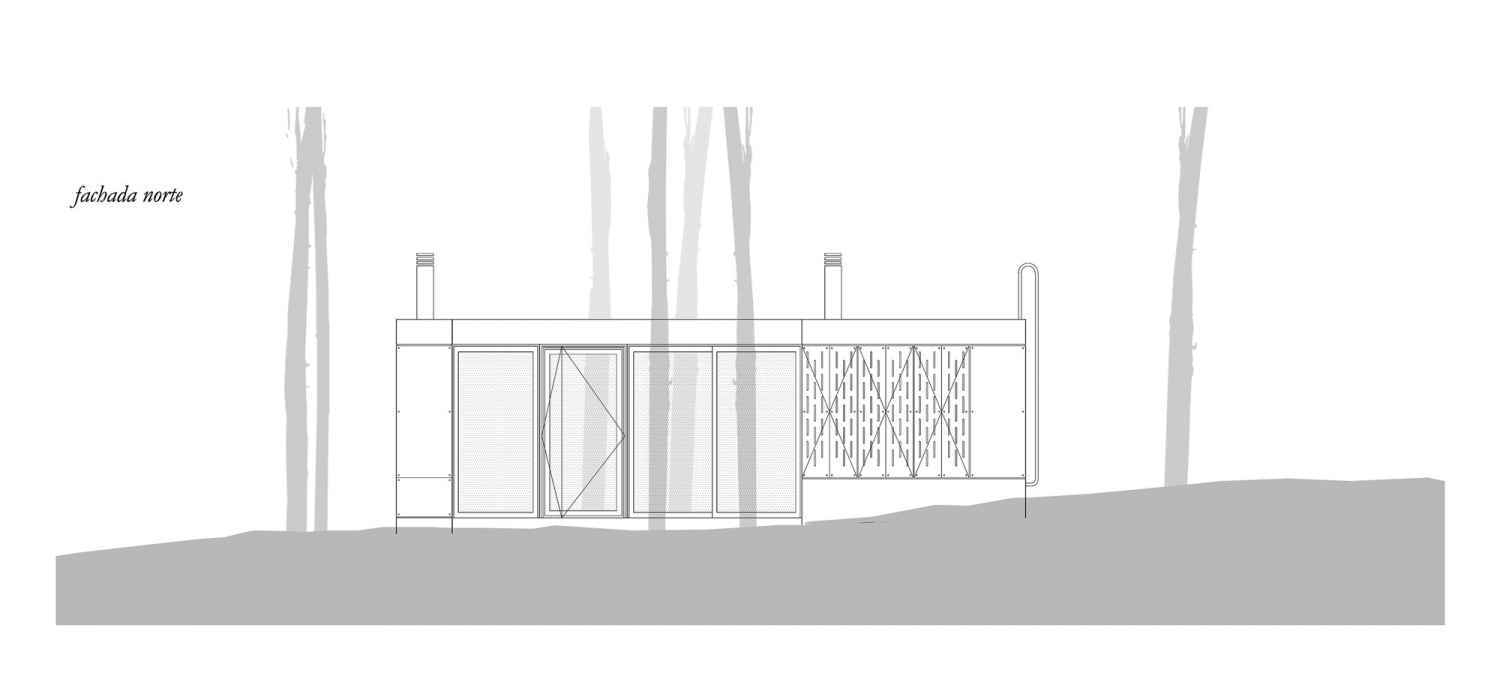
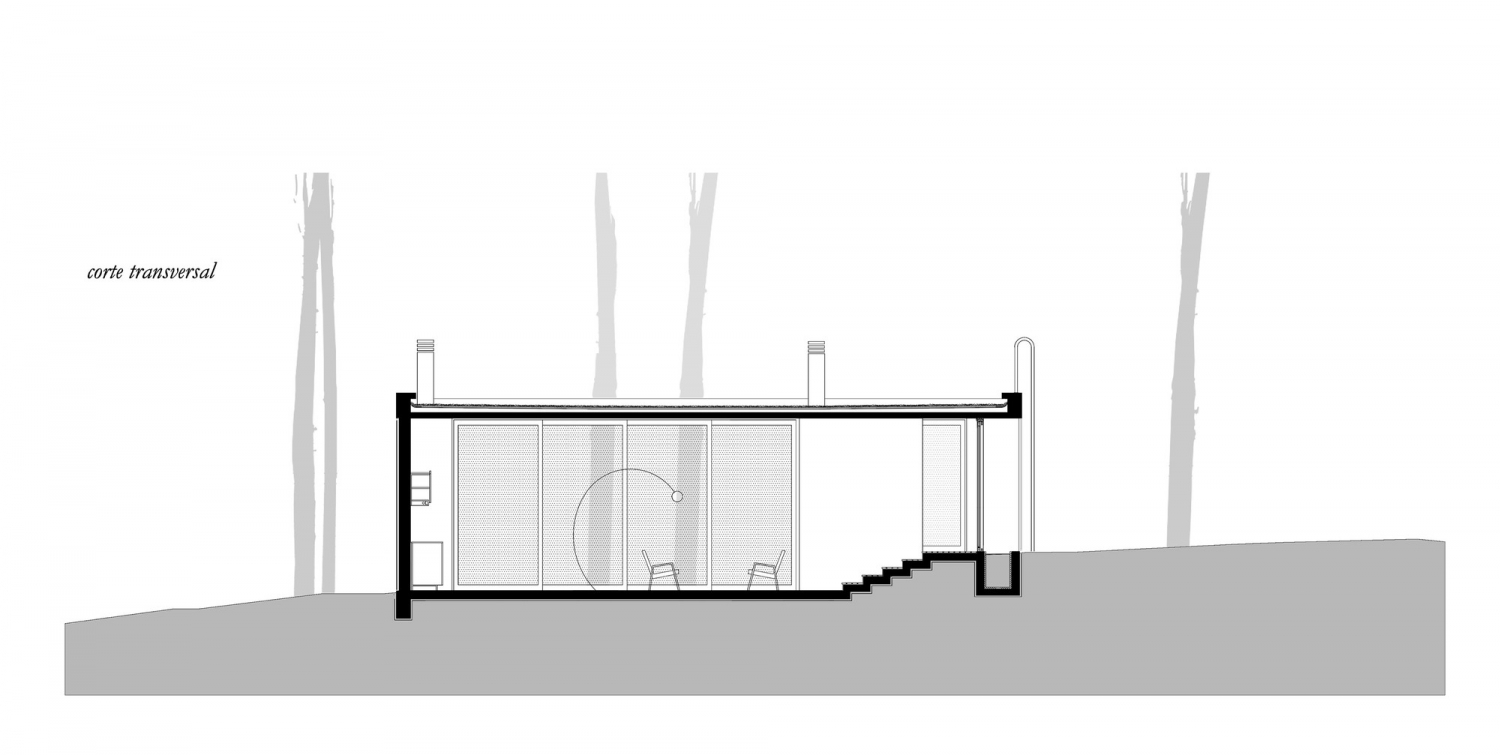
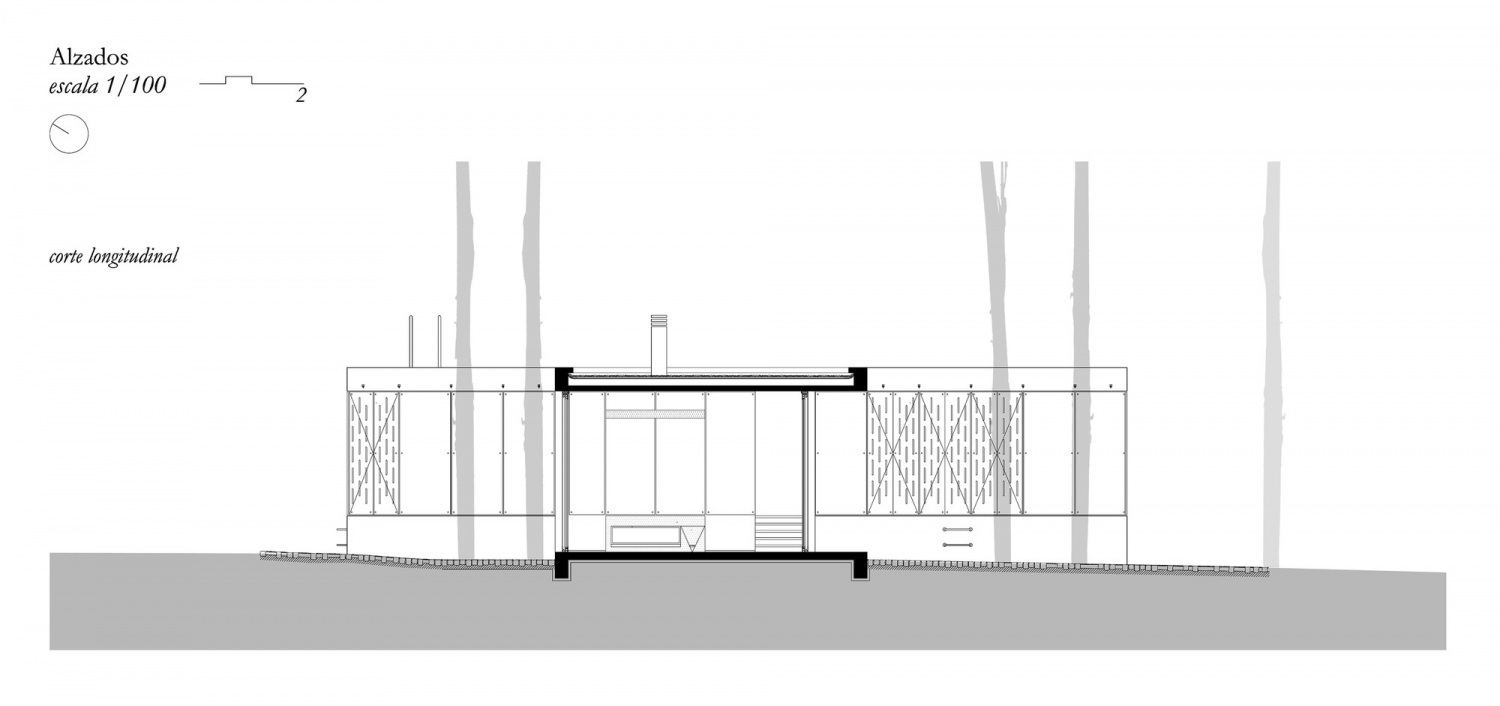
别墅利用了场址的地形,没有任何模仿的因素。别墅西部的外墙高3米,同时因为地势上升的原因,私人空间高2.4米,在这些私人空间中修建了几个私人房间。虽然墙的高度上有微小的变化,但别墅房顶平面的高度仍然保持不变,使得别墅内部空间在形状和组织上保持了连续性。别墅外表呈非对称的H形,所以有两个室外的露台,在房间里面可以看见这两个露台,露台为别墅创造了一个大的关联空间。同时,场址地形对别墅产生了很大的影响,经过规划的别墅外部空间和外部的自然空间之间几乎没有任何边界。这个供人居住的场所和大自然紧密的联系在一起,别墅周围的环境对别墅内部空间的影响极大。 修建别墅必须要考虑到别墅所在地是天气情况。别墅的可持续性设计并不是技术上的自吹自擂,而是经过了严谨的设计。阳光平和的照入卧室和公共区域。别墅内部经过阳光照射而产生的光和影之间的变化是露台系统创造的。 译者:蝈蝈 Its section takes advantage of the topography, avoiding any kind of mimesis. The eastern exterior solid, has an elevation of 3.00m; meanwhile, as the land rises, an intimate space of 2.40m is provided for private rooms. In spite of this subtle vibration, the upper boundary remains imperturbable, allowing the continuity of the interior spaces by the shapes and textures.Its asymmetric “H” typology outlines two outdoor patios, overlooked by the rooms, providing a big relation space. Meanwhile, the topography invades its surface, blurring the boundary between a projected exterior and a natural outside. A deploying inhabitable device takes the intimate life to the nature, and incorporates the ambient domain to its interior. The dialog with the climate component is possible, owing to the Parti and implantation. Its sustainability appears not as a technological boast, but as design sobriety. The sunlight scans the bedrooms and collective areas in a balanced way. The opacity – transparency dialog of the sunlit facades is boosted by the patio system.
 关注公众号
关注公众号 川公网安备51010702000609号

 发表于 2026-5-23 10:32:24