|
|
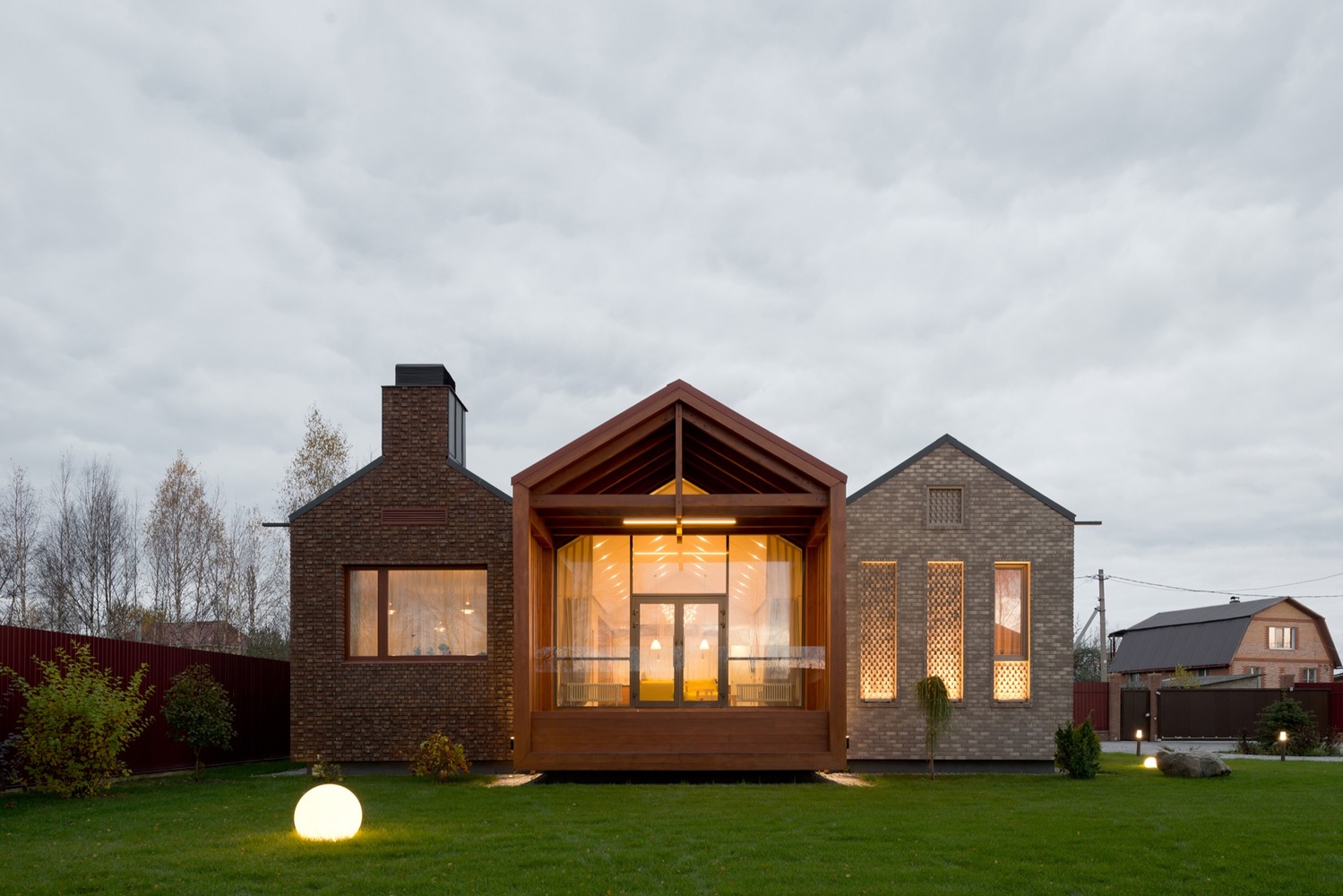
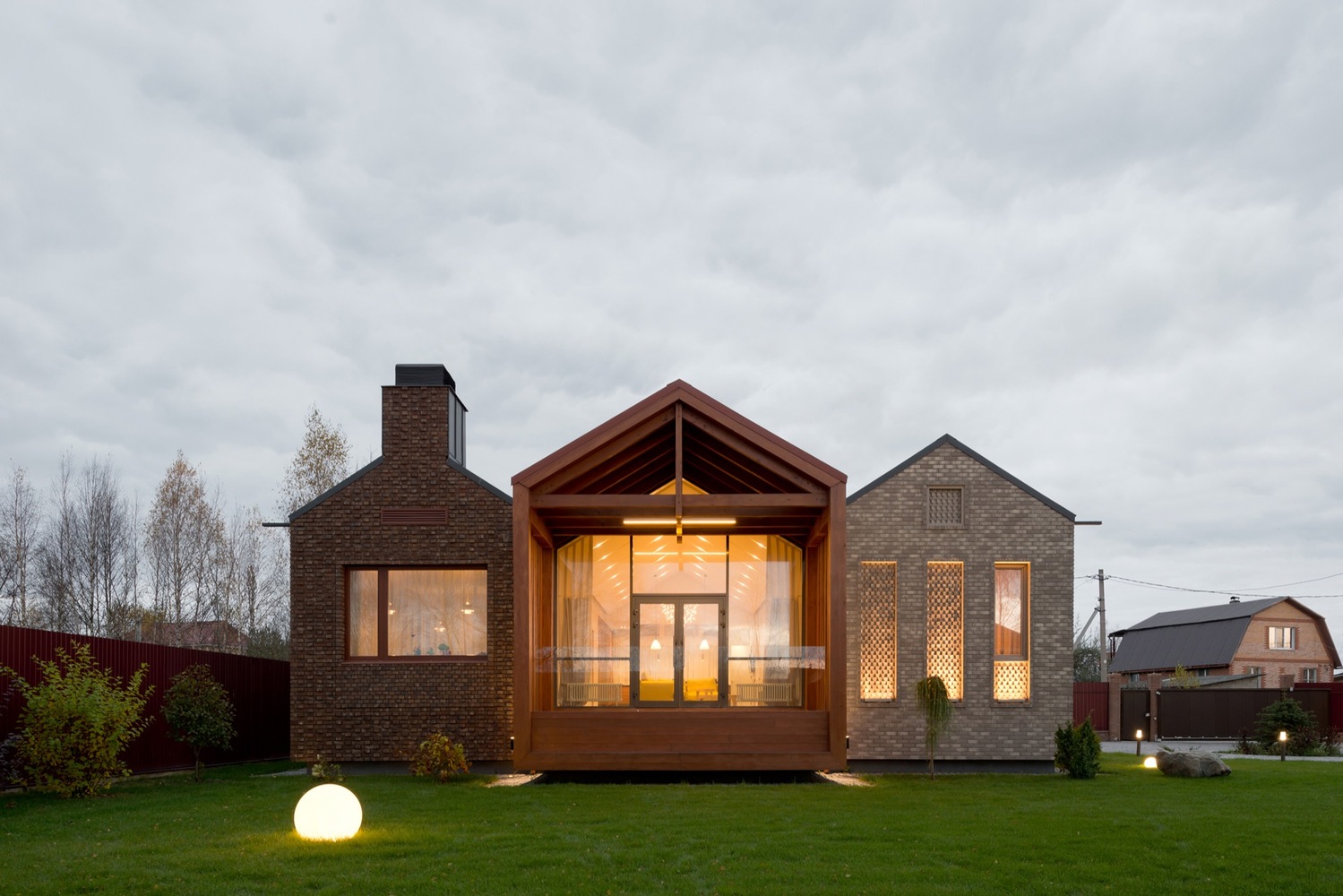
这栋住宅坐落在一个拥有30000人口的镇子里面,这个镇子距离莫斯科大约150千米远。坐落在这种地方的私人区域拥有非常高的多样性。这里没有任何的规则和限制,同一一条街道上可能有垃圾站,也可能有修建于九十年代的、三层楼高的砖砌城堡。周围充满了“非专业的建筑体量”,任何事情都在进行当中:如果你需要房间的话就可以修建,即使是即暂时还没有计划和修建用材料也可以。
建筑体量修建于不同的世代,喜欢木雕的邻居也有他们的塑料奢侈品。怎样解决这种多样性并反抗周围的环境呢?我们应该按照程序、长处和比例来进行对位,并让我们的目标与街区脱离、强迫创造出多样化吗?我们试图寻找解决这个问题的另一个方式,并从环境和当地的技术中创造住宅、从我们开车来镇上的路上看到的“建筑垃圾”中创造住宅:从九十年代建筑体量中来的大砖块、木制的DIY住宅、工业建筑风格和被抛弃的建筑。
The house located in the 30 000 populated town in 150 km from Moscow. Private houses area in such places is highly diversified. There are absent any rules or limitations, one street can be place for houses build from trash and 3-storey height brick castle from 90-s. Surroundings full of "architecture without architects", everything is always in process: if you need new room you construct it, without any project and with material you have for the moment.
Belongings are divided by different generations and woodcarving neighbour with their plastic luxury. How to work with this diversified and often revolting surroundings?Should we make contraposition with order, excellence and proportion, pull out our object from the neighbour and enforce the diversity? We tried to find anotger way to answer this question, making the house from the environment and local techniques, from the "architectural garbage" we see driving to the town: big brick "palaces" from 90-s, wooden DIY-houses, industrial architecture, abandoned buildings.
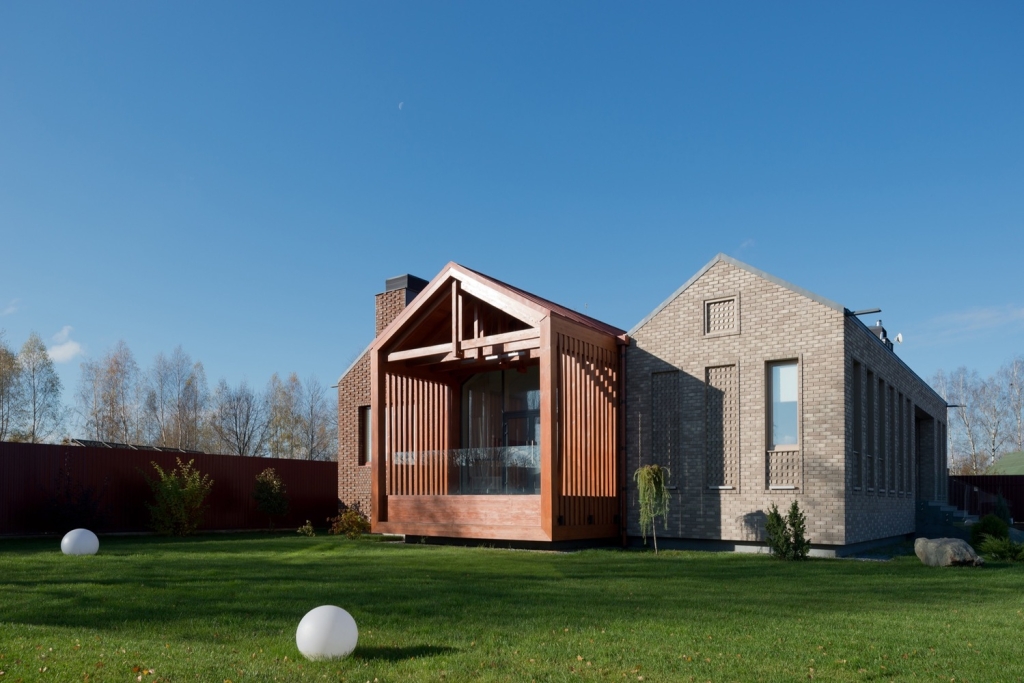
俄罗斯沙图拉住宅外部实景图
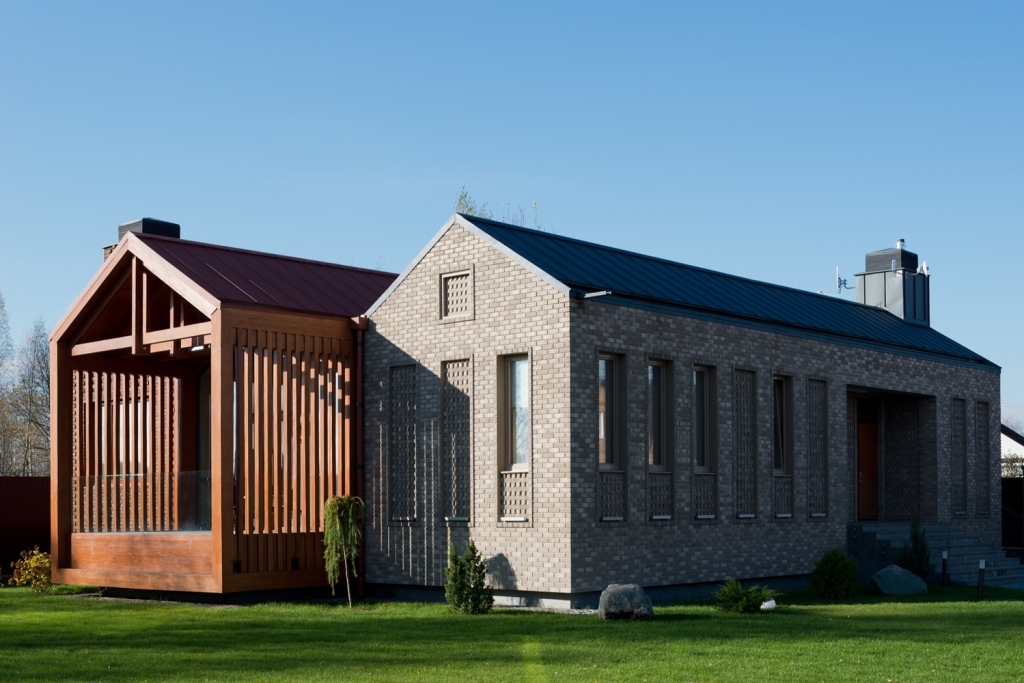
俄罗斯沙图拉住宅外部实景图
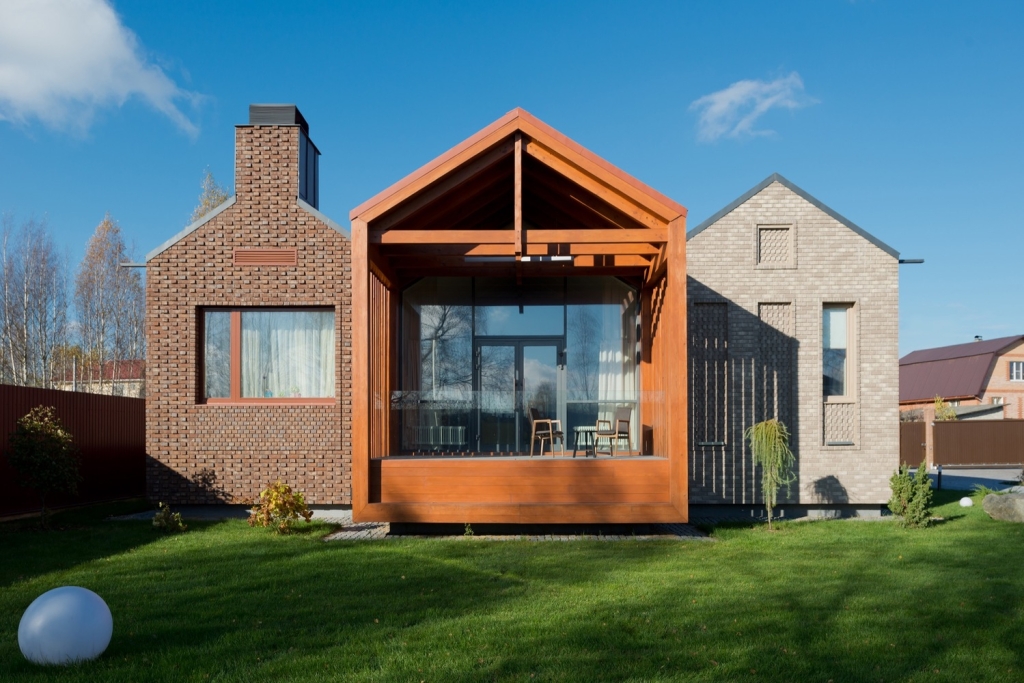
俄罗斯沙图拉住宅外部实景图
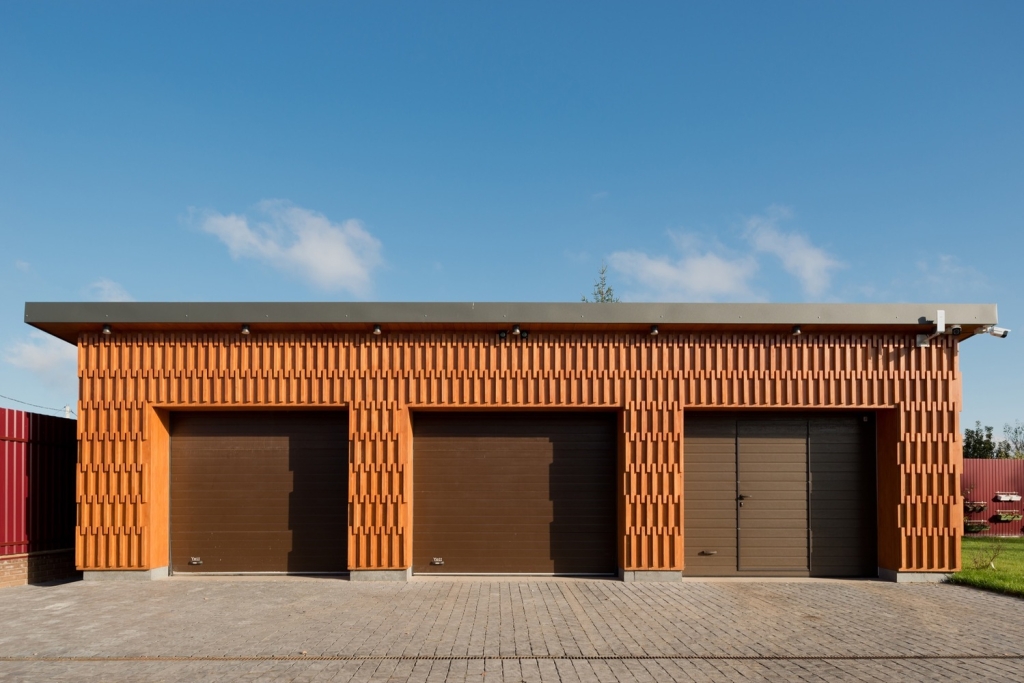
俄罗斯沙图拉住宅外部实景图
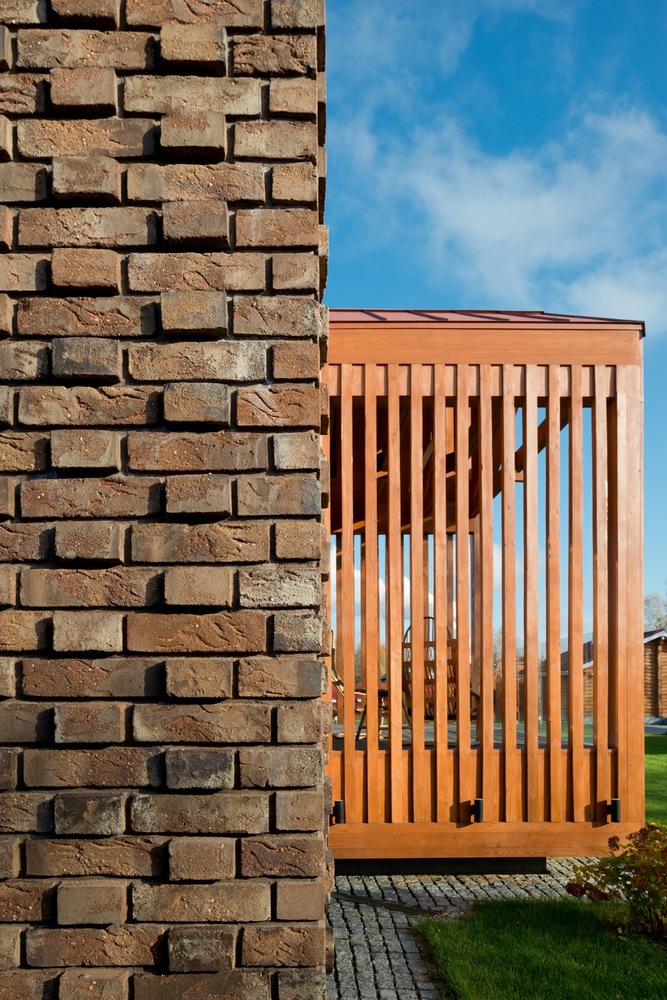
俄罗斯沙图拉住宅外部实景图
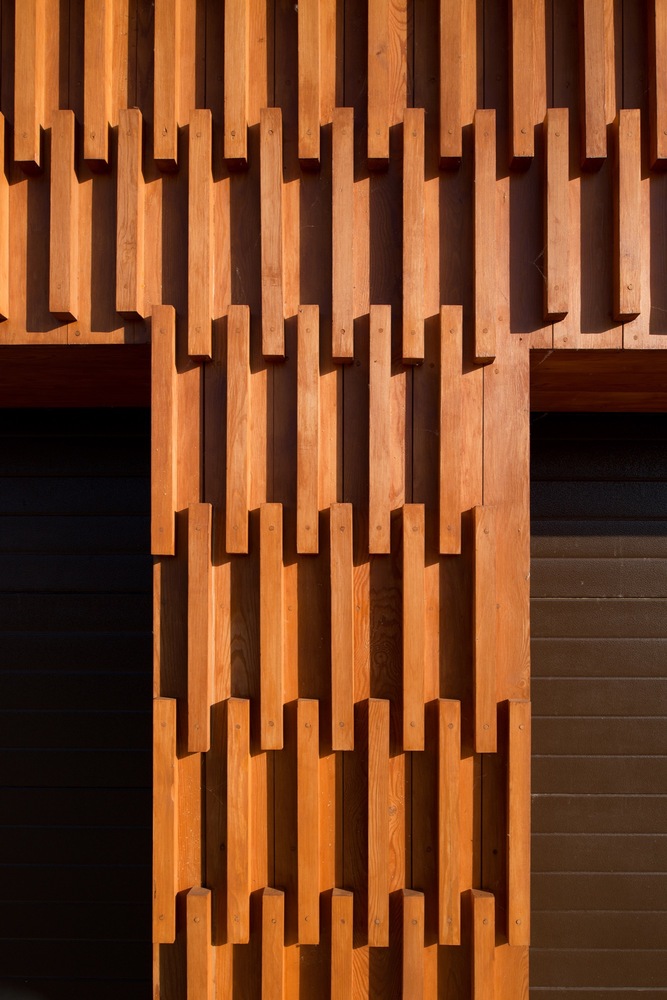
俄罗斯沙图拉住宅外部局部实景图
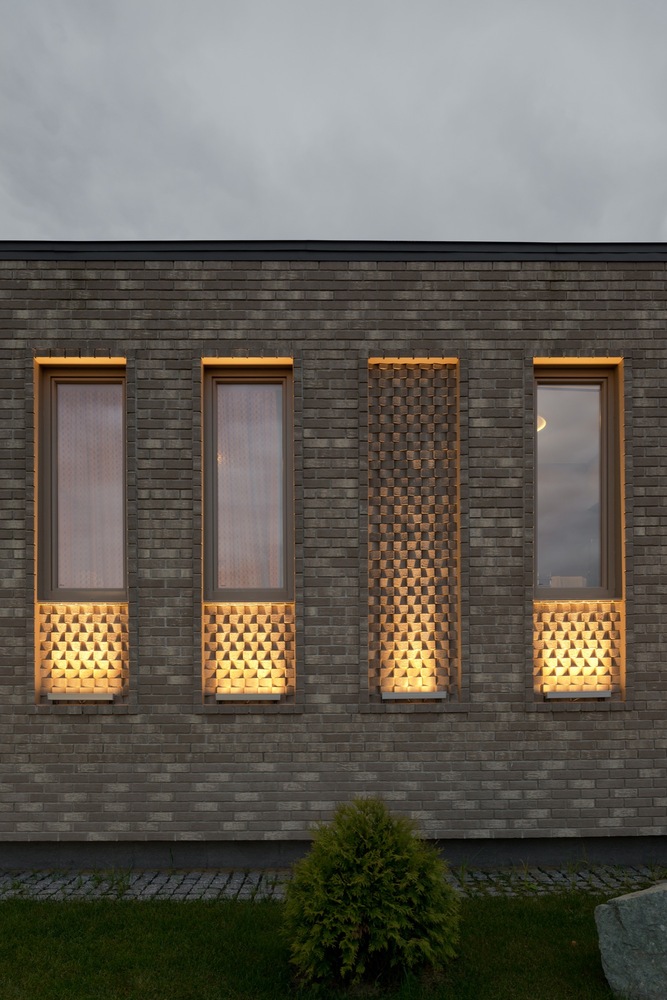
俄罗斯沙图拉住宅外部实景图
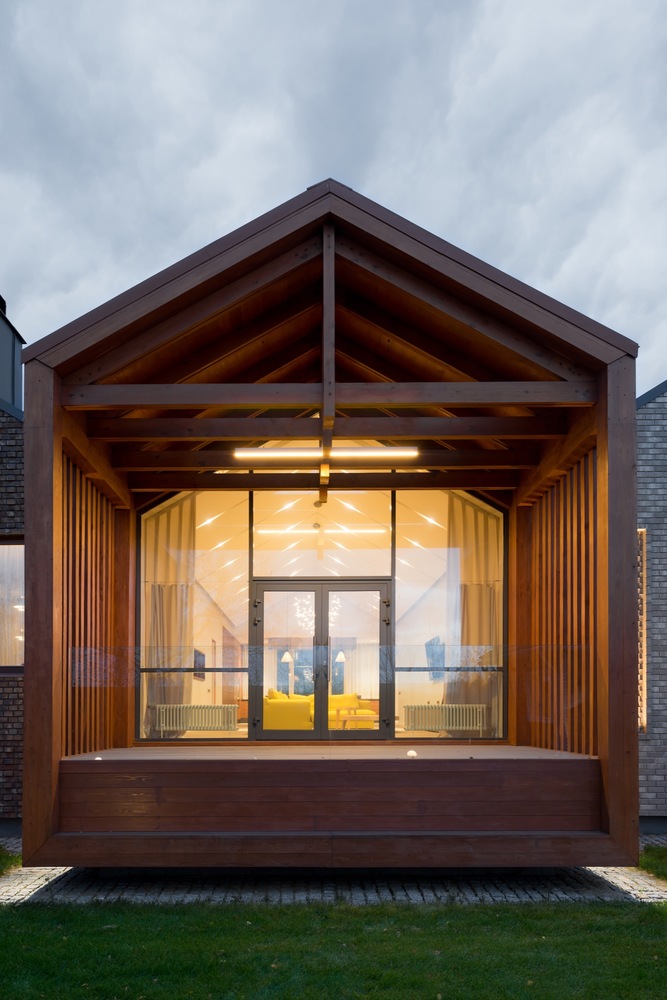
俄罗斯沙图拉住宅外部实景图
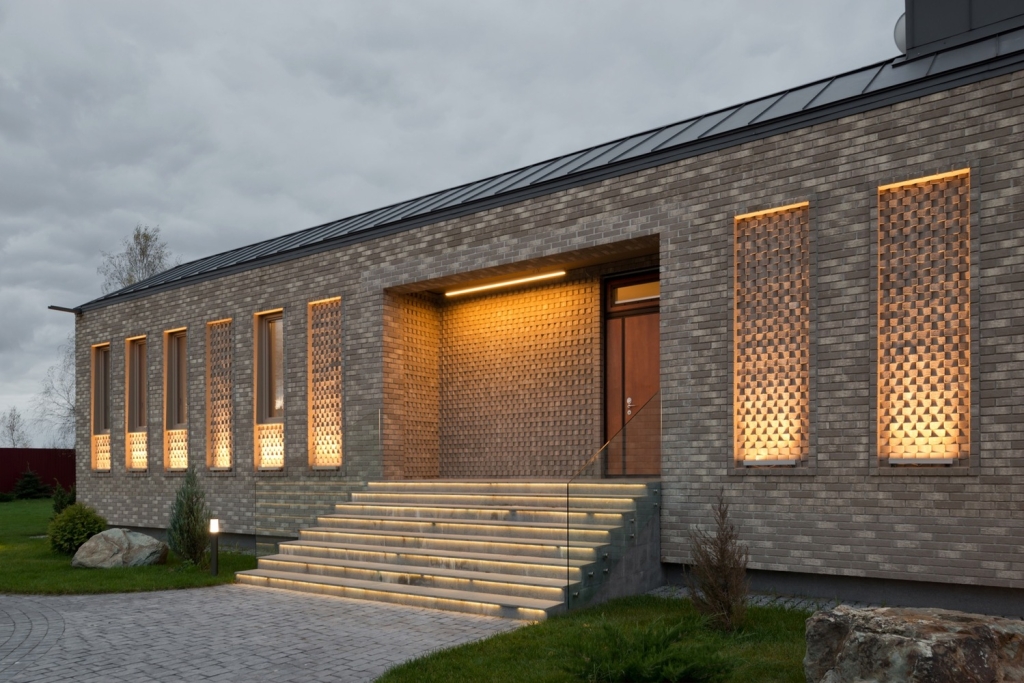
俄罗斯沙图拉住宅外部夜景实景图
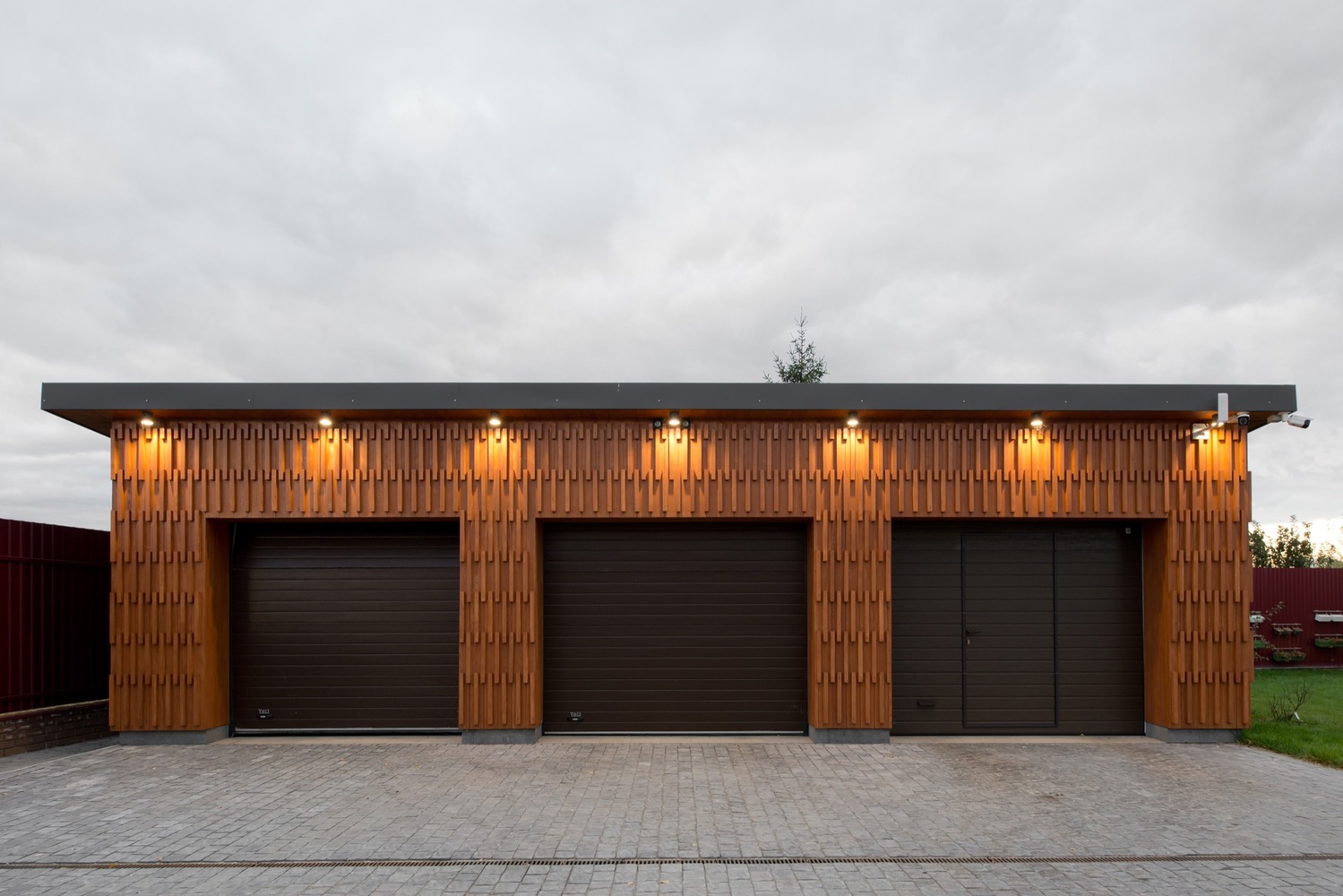
俄罗斯沙图拉住宅外部夜景实景图
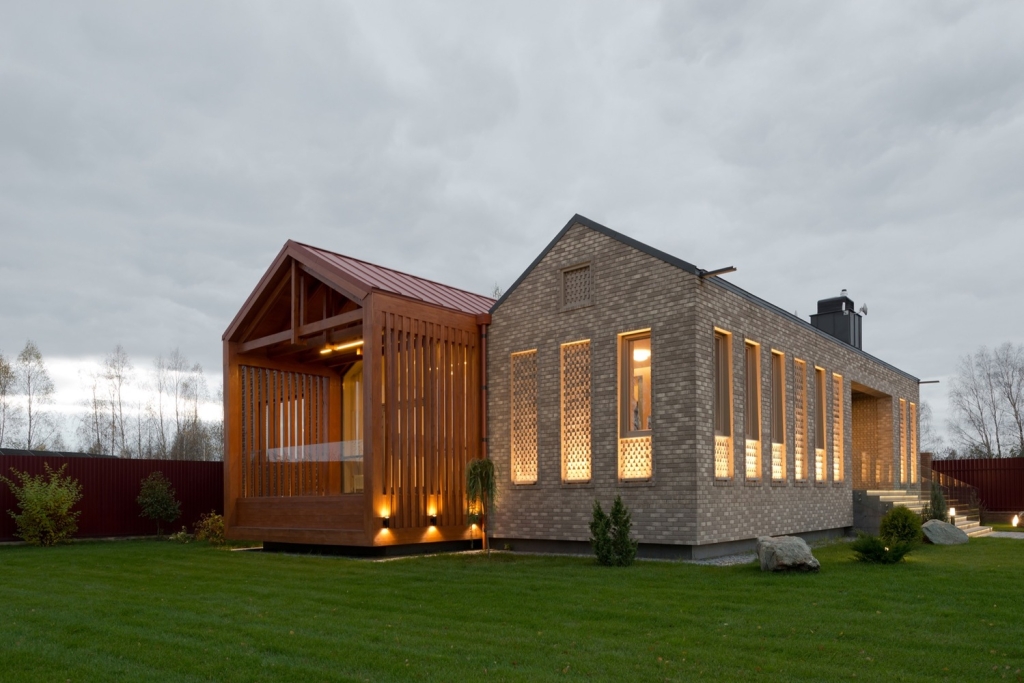
俄罗斯沙图拉住宅外部夜景实景图
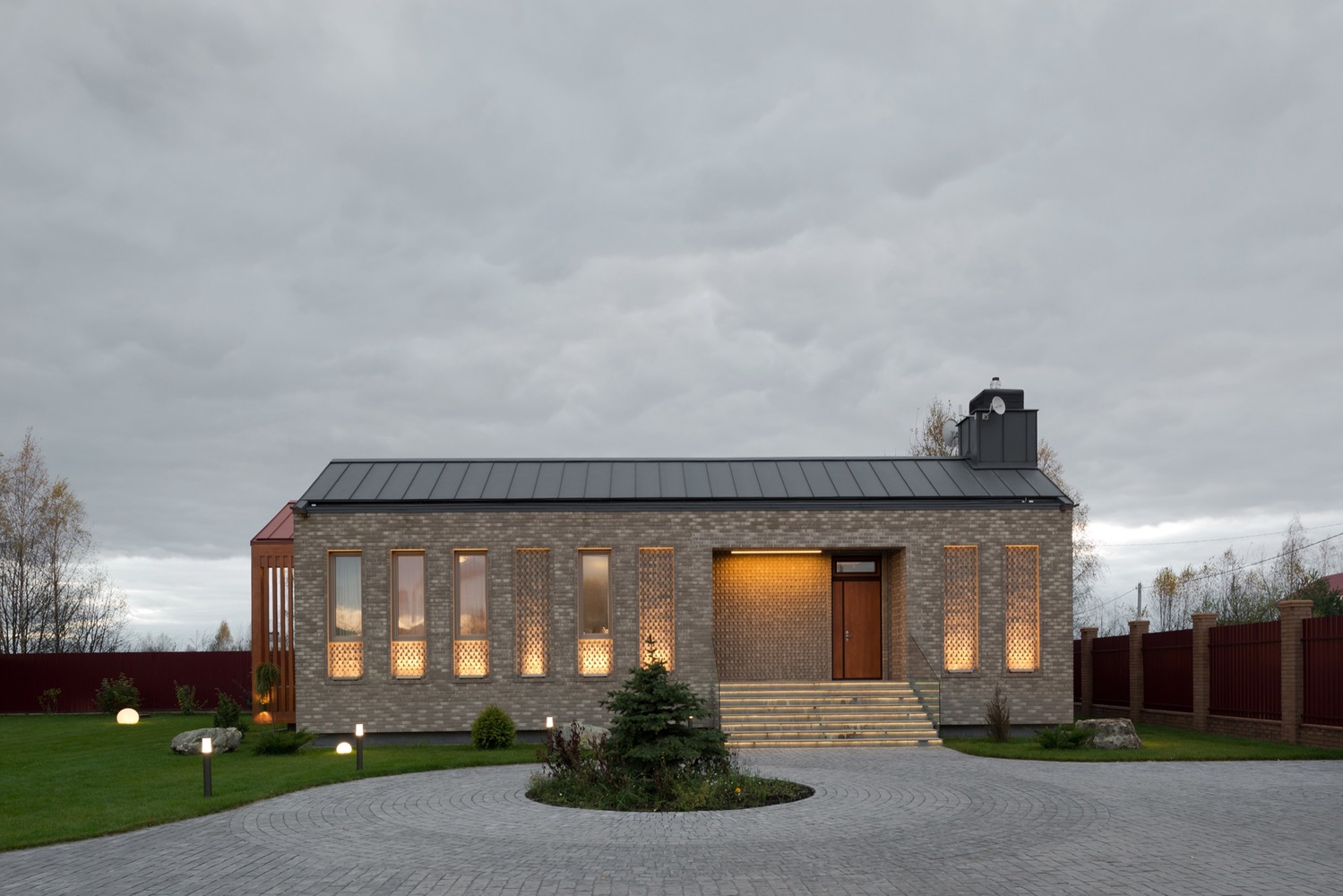
俄罗斯沙图拉住宅外部夜景实景图
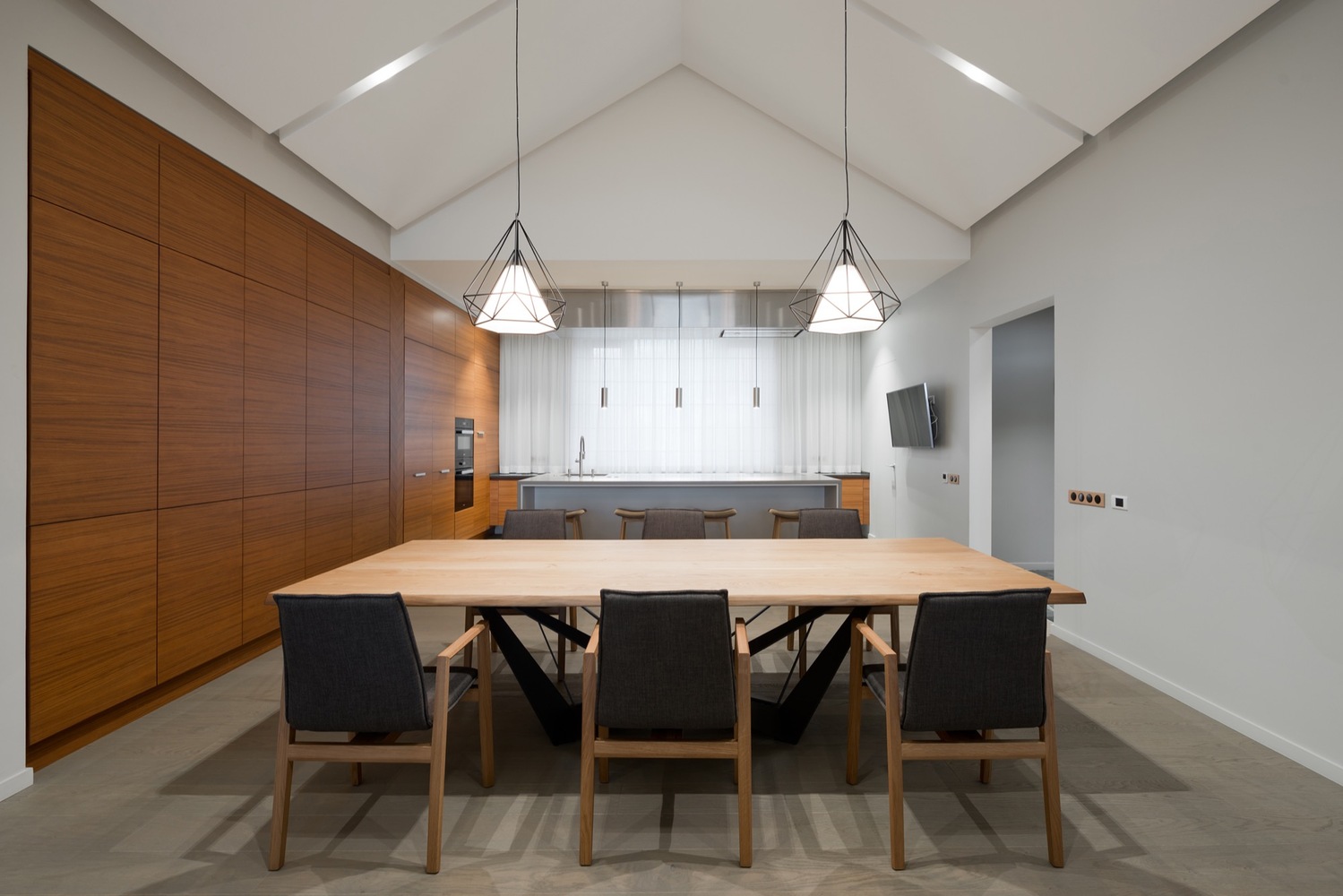
俄罗斯沙图拉住宅内部实景图
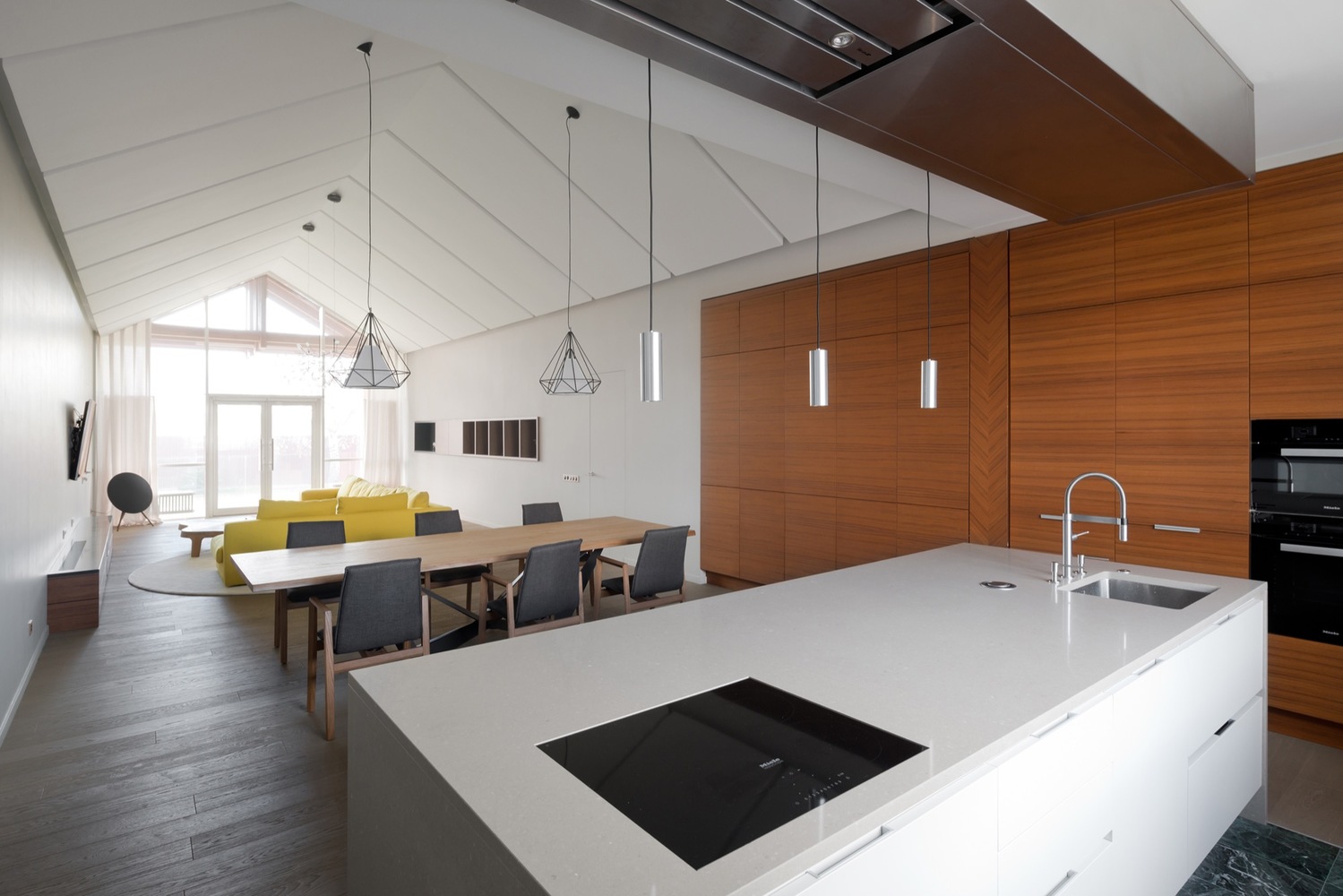
俄罗斯沙图拉住宅内部实景图
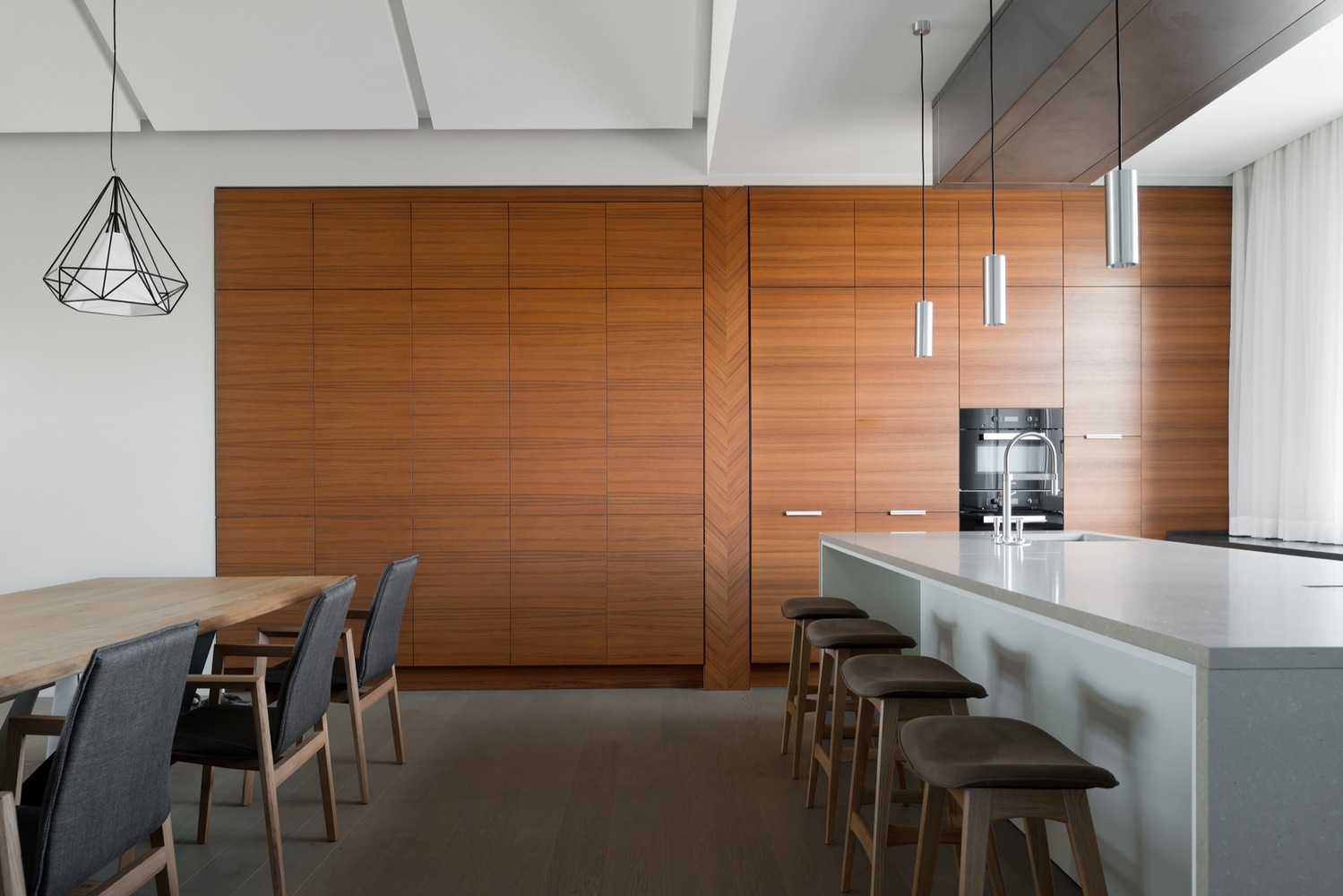
俄罗斯沙图拉住宅内部实景图
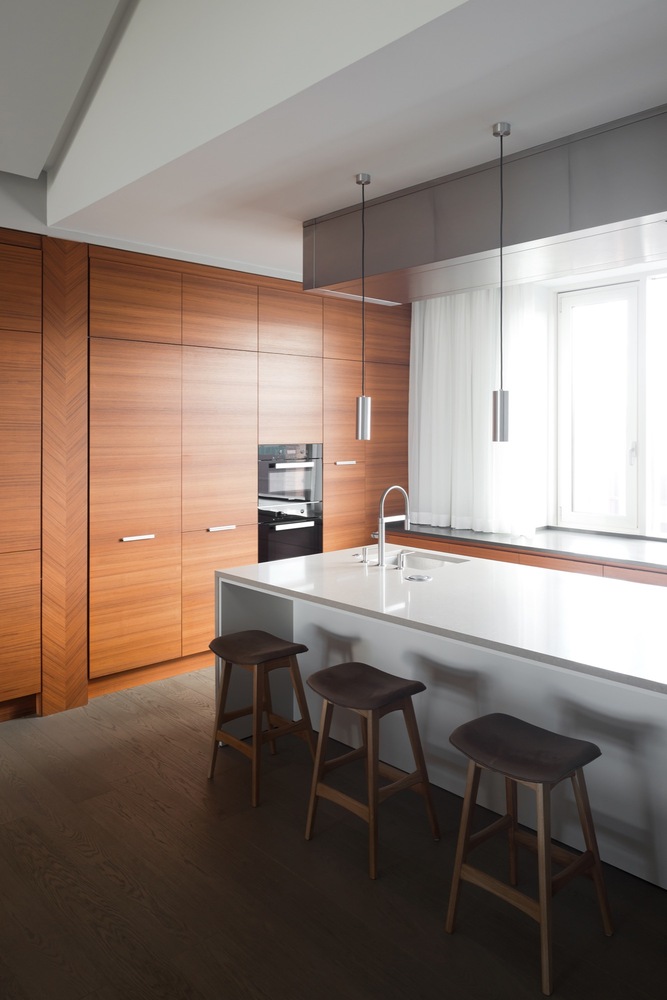
俄罗斯沙图拉住宅内部实景图
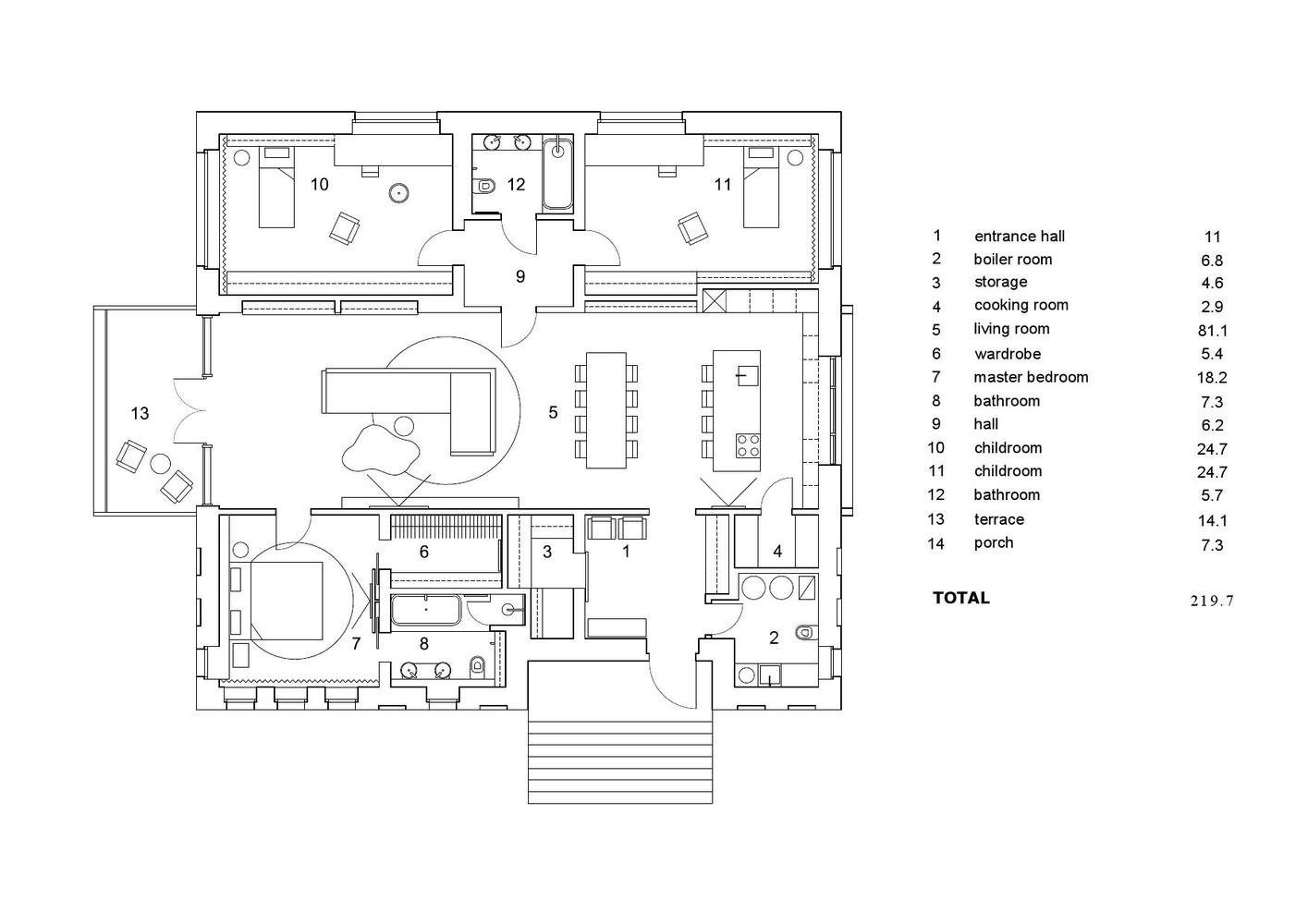
俄罗斯沙图拉住宅平面图
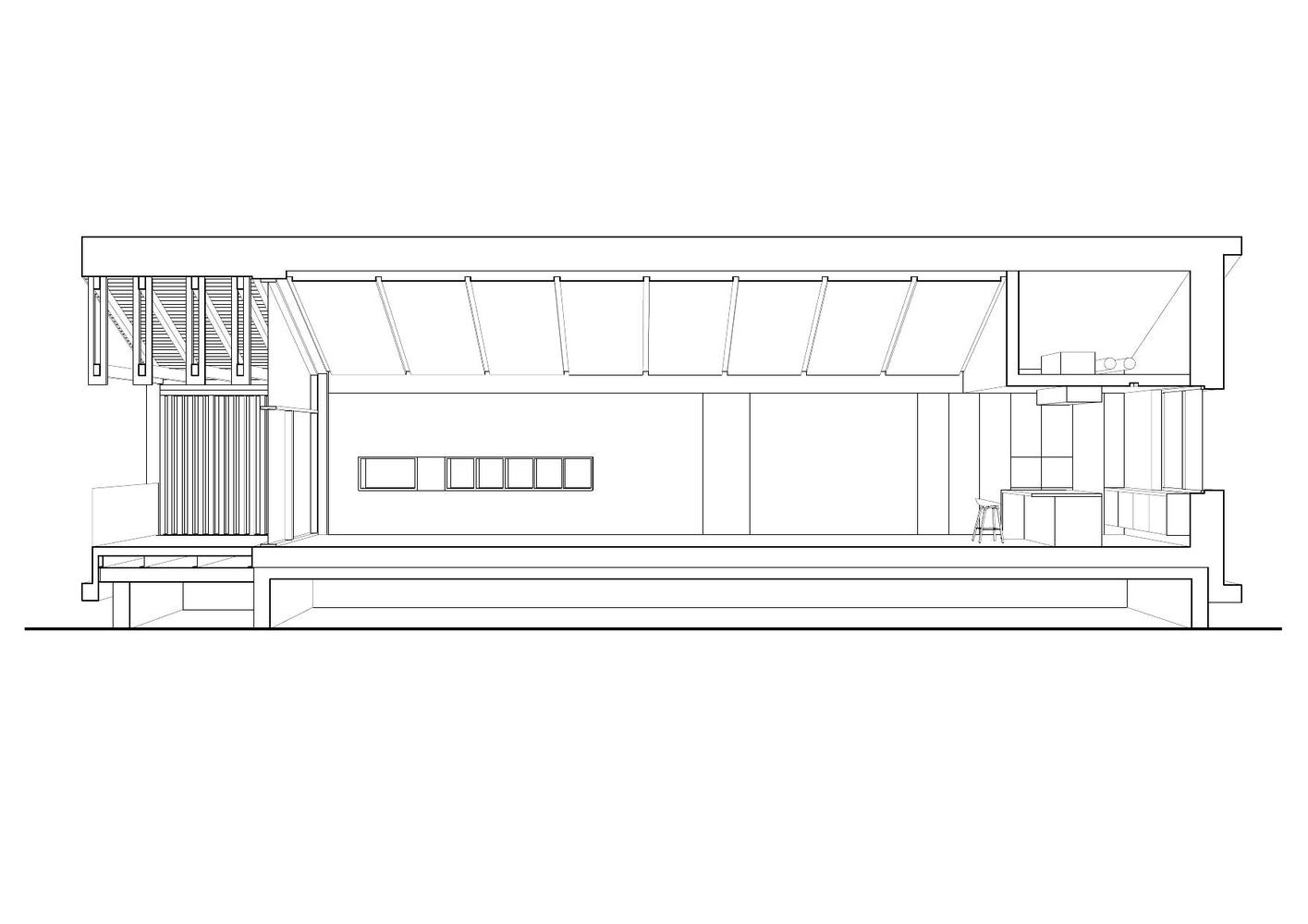
俄罗斯沙图拉住宅剖面图
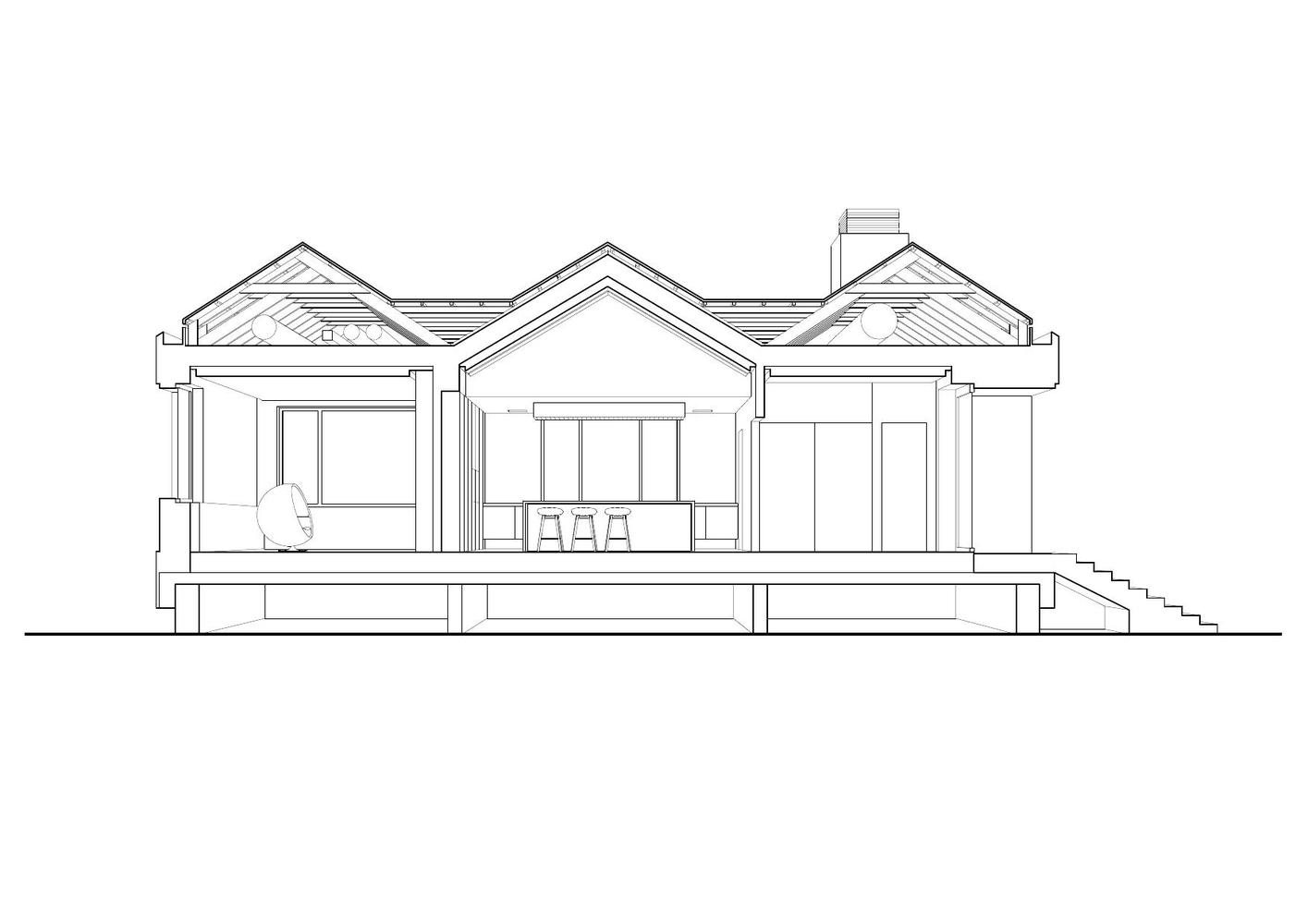
俄罗斯沙图拉住宅剖面图
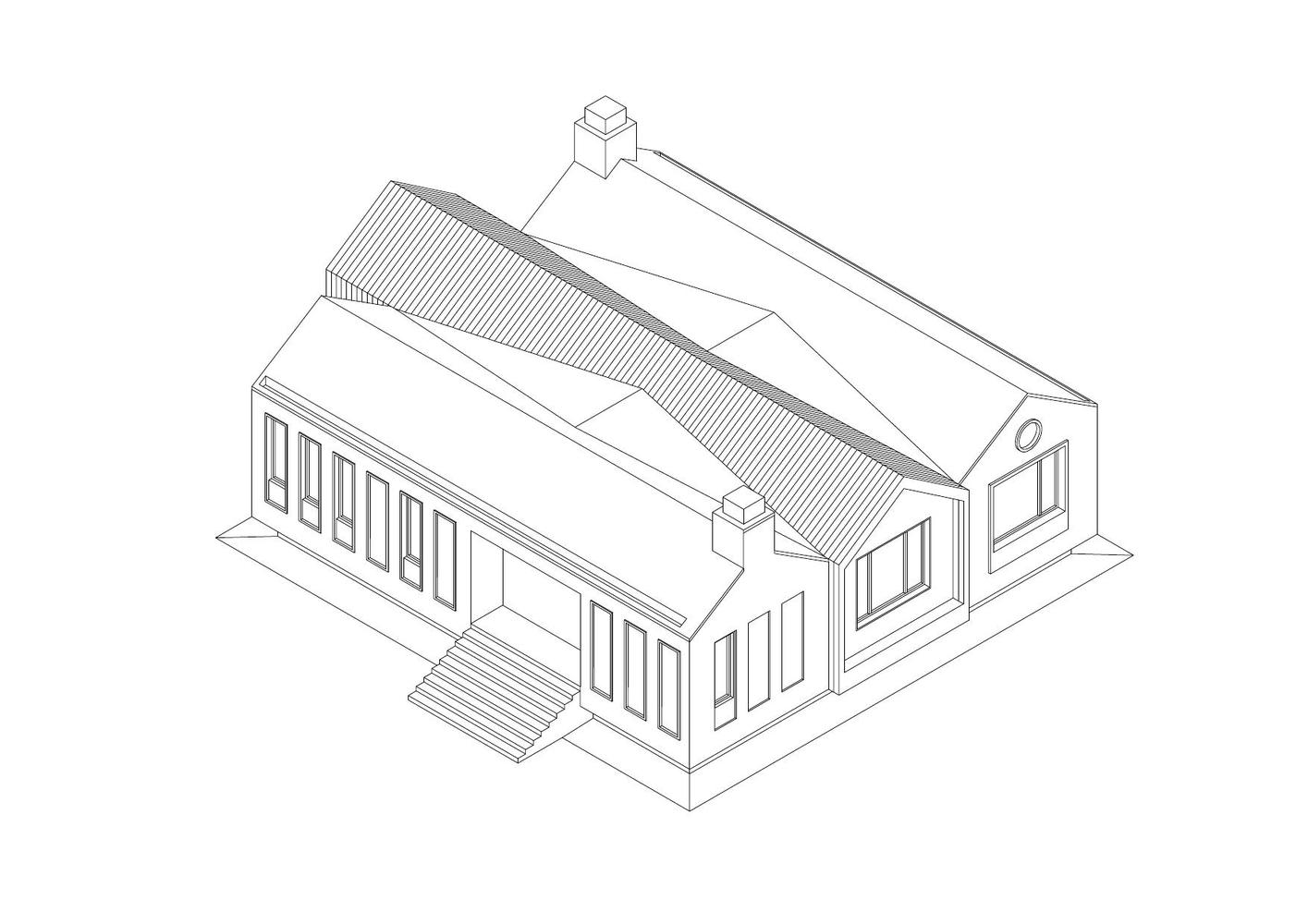
俄罗斯沙图拉住宅示意图
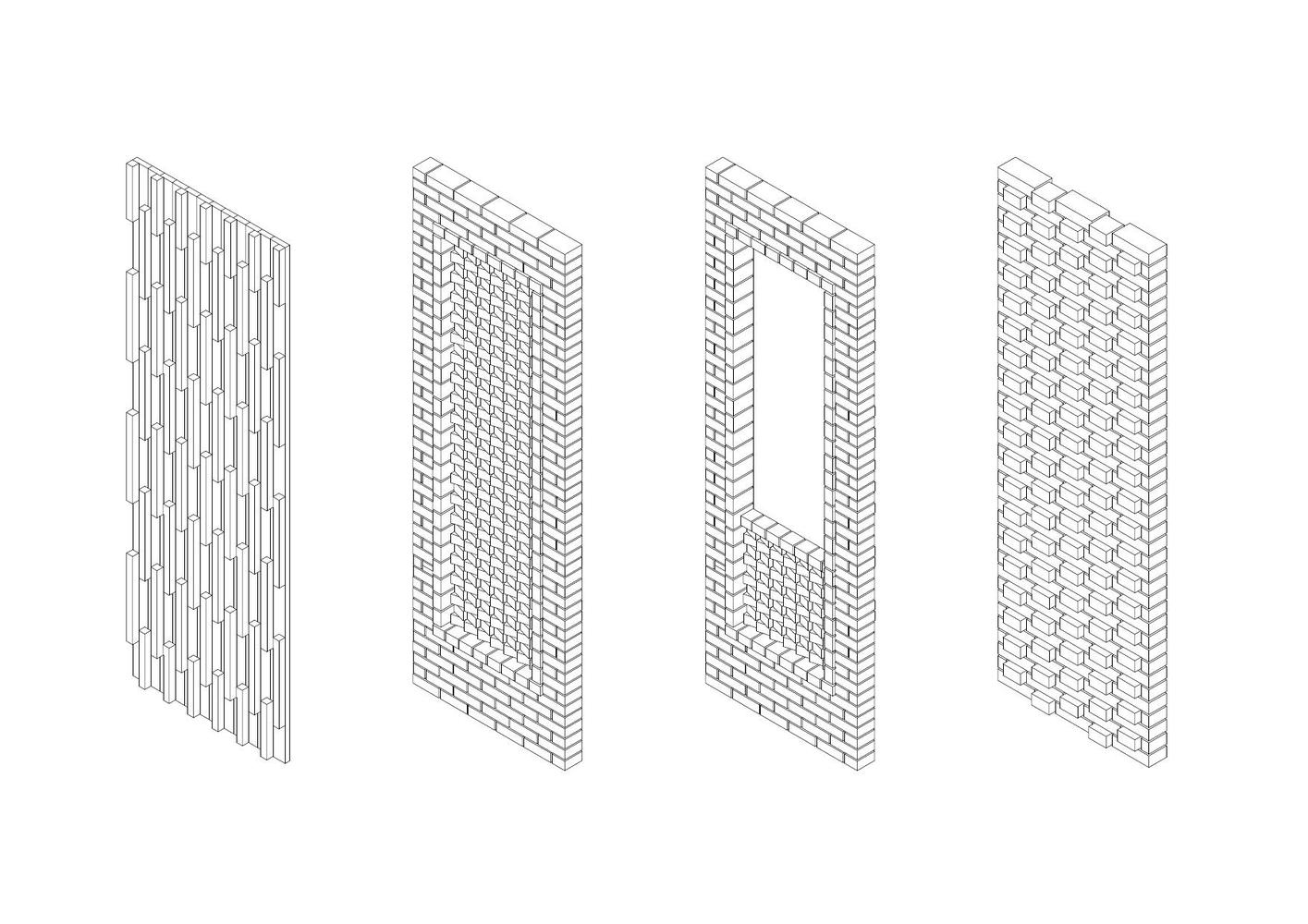
俄罗斯沙图拉住宅示意图 |
|
 关注公众号
关注公众号 川公网安备51010702000609号

 发表于 2026-6-8 17:13:58