|
|
Peru AniNiiShobo cabin
设计方:Samuel Bravo
位置:秘鲁
分类:居住建筑
内容:实景照片
委托方:AniNiiShobo.
图片:21张
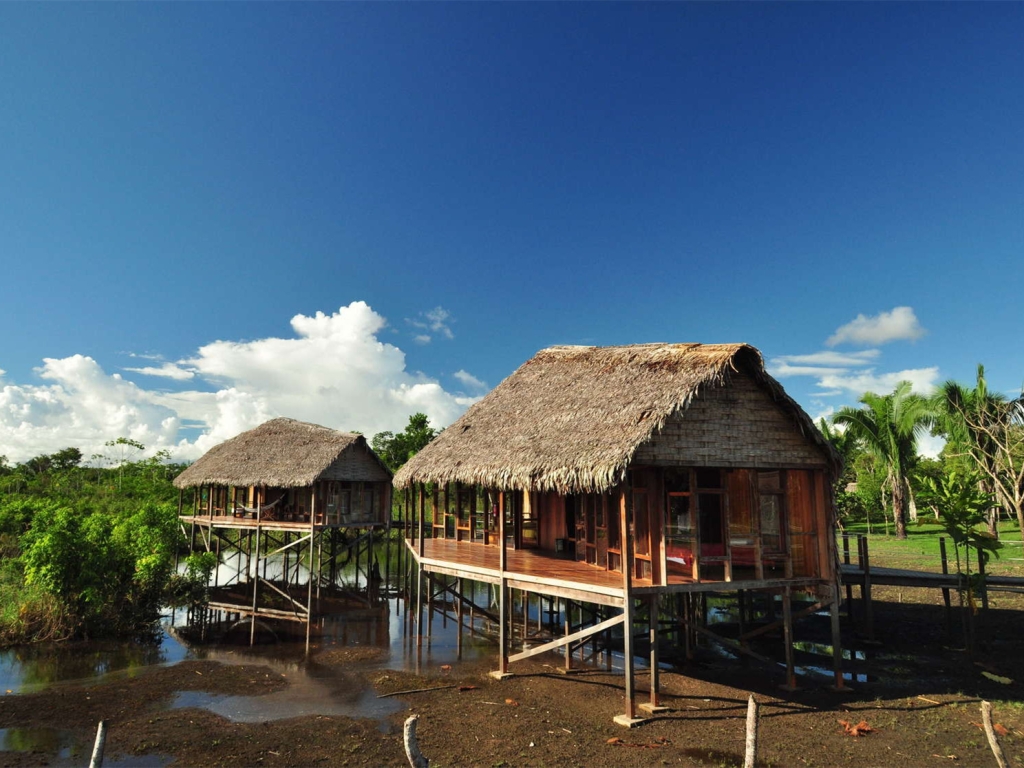
这是由Samuel Bravo设计的AniNiiShobo小屋。AniNiiShobo,在希皮博文(Shipibo language)里意为森林中的大房子。这是基于希皮博传统医疗文化的休养中心与自然度假区。该项目位于秘鲁亚马逊乌卡亚利河岸的San Francisco de Yarinacocha原始部落附近。功能包括访客中心、仪式厅(长屋)、餐厅及服务空间。该项目特别重视树林情况及景观视野,保留且尊重现状环境,优化小屋的湖景,并将餐厅安排在树干修长的Pachucos树下,与建筑体块形成对比。 译者:筑龙网艾比 AniNiiShobo, big house of the forest in Shipibo language, is a healing center and nature reserve based on the traditional medicine of the Shipibo people.The project is located on the banks of a lagoon near the native community of San Francisco de Yarinacocha in the Ucayali region in the Peruvian Amazon. The Ucayali river’s seasonal floods determine this landscape and its ecosystems with fluctuations of up to 8m that inundate and connect vast riverside areas. The project consists of a series of programs that are located along this variable edge between forest and water.The program consists of rooms for visitors a volunteer house, a house of ceremonies (longhouse), a dining room and service spaces. The situation of the trees and views was decisive to place the program. It was important to preserve and value preexisting conditions, favoring the the lake view of cabins and placing the dining under a group of old Pachucos, native trees with a slender pale trunk, contrasting with the proposed volume.The project is based on the use of local materials such as capirona and quinilla wood and irapay palm leaf roofing. Constructive logic was sought on the observation of vernacular architecture, so that the project could be built by local craftsmen. A structural grid that simplifies modulation was used as well as constructive solutions according to local crafts. To fit the extremely hot and wet climate of the region, the peoples of Amazonia have developed a simple yet specific system of rules, creating a n architecture based on the use of materials in the immediate environment. The Shipibo houses have tall roofs made of palm leaves with a steep slope which favors water runoff, while the hot air is concentrated at the top of the volume, creating a fresh and airy shade. In this space a deck, which is both the floor and the table of the house, concentrated daily activities, resulting in meals and long conversations accompanied by craft making.This was the role we found for the collective dining room: a large shipibo house. The dining room can be completely open or closed yielding a covered terrace with a vented skin.Covered outdoor margins create a shaded surround for habitations and an intermediate umbral for quotidian life. Walls themselves tend to merge with the roof or fade into a superposition of permeable screens.
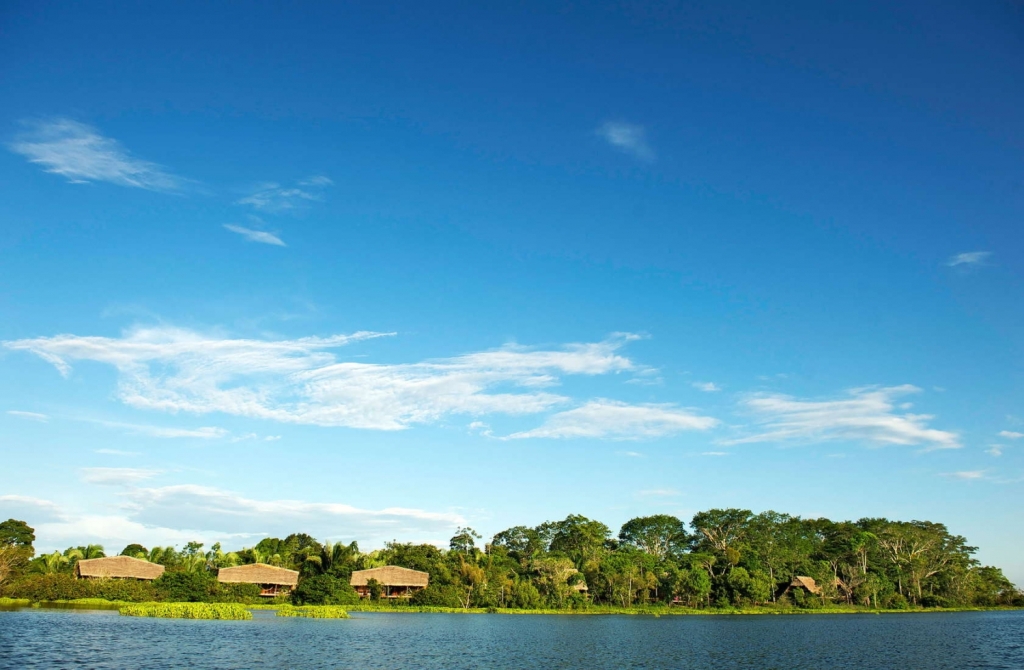
秘鲁AniNiiShobo小屋外部实景图
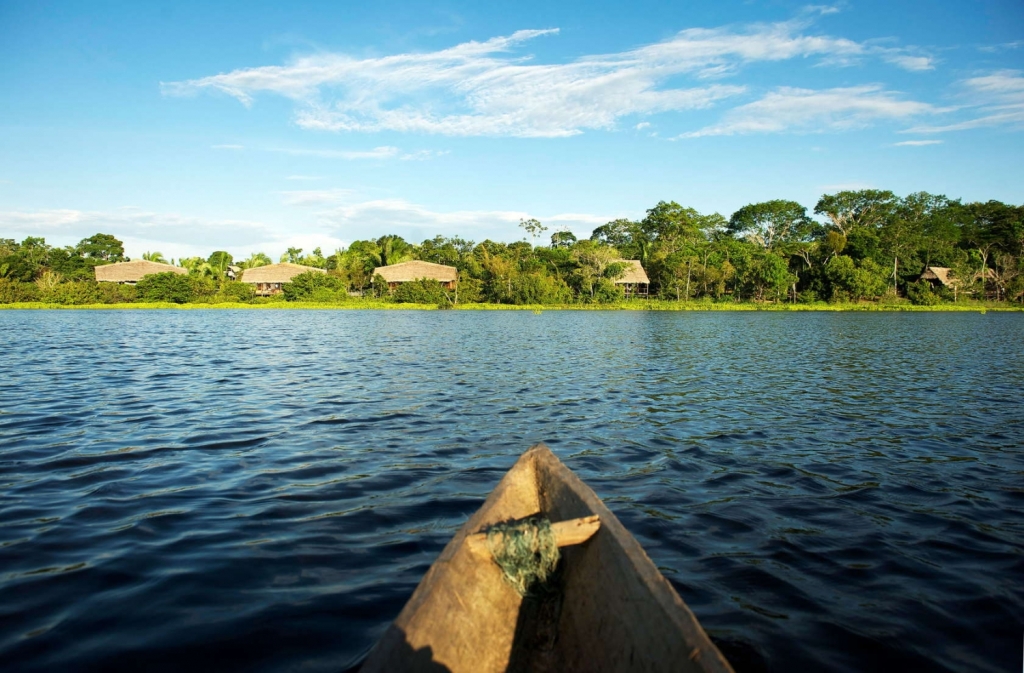
秘鲁AniNiiShobo小屋外部实景图
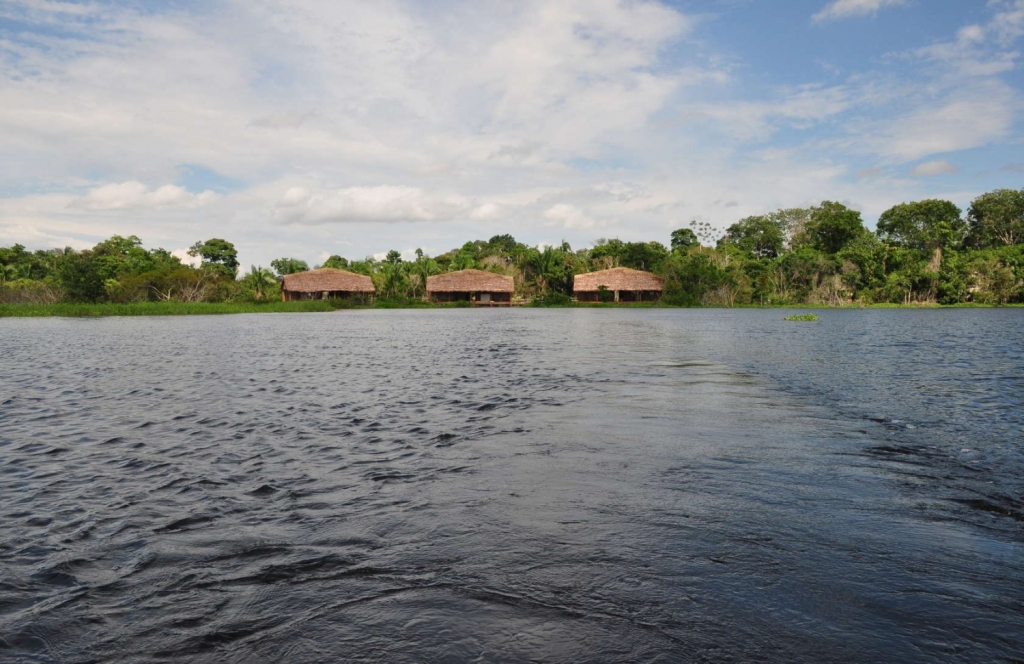
秘鲁AniNiiShobo小屋外部实景图
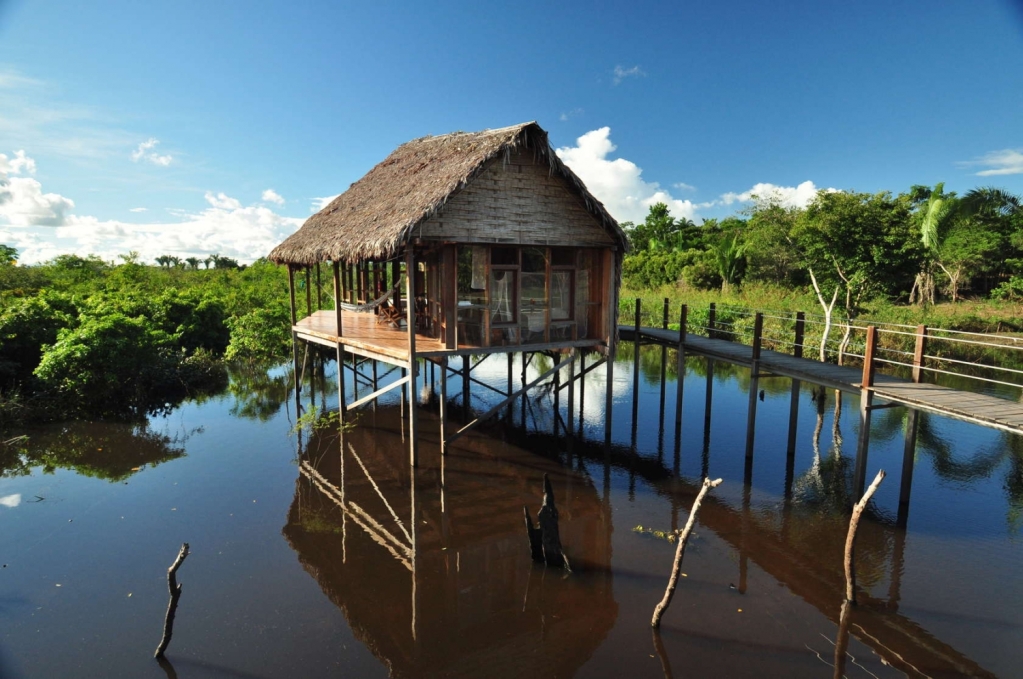
秘鲁AniNiiShobo小屋外部实景图
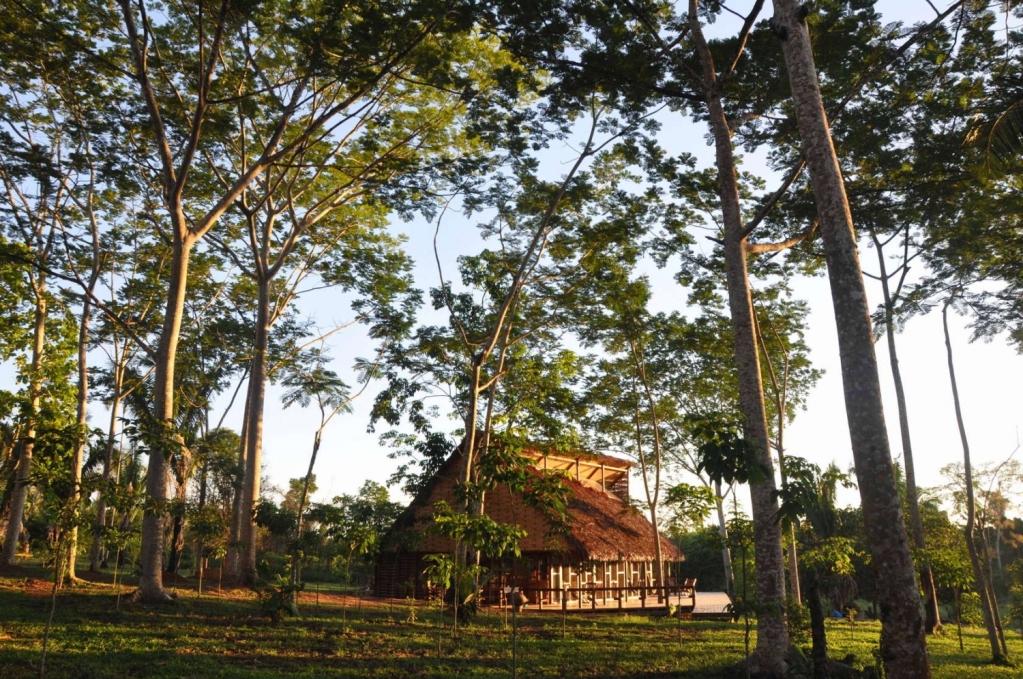
秘鲁AniNiiShobo小屋外部实景图
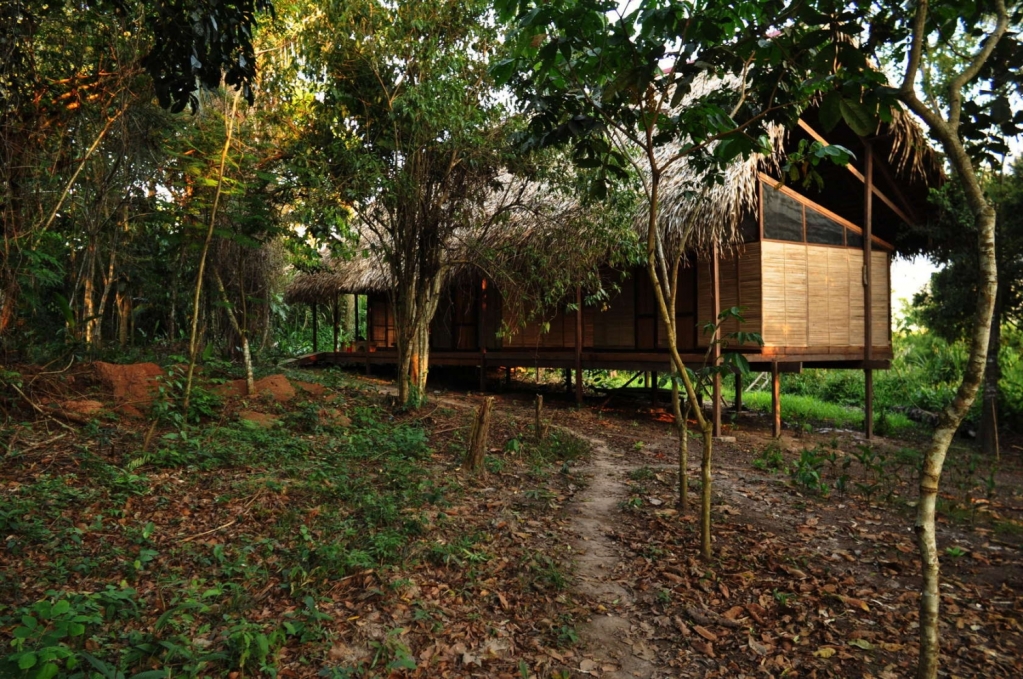
秘鲁AniNiiShobo小屋外部实景图
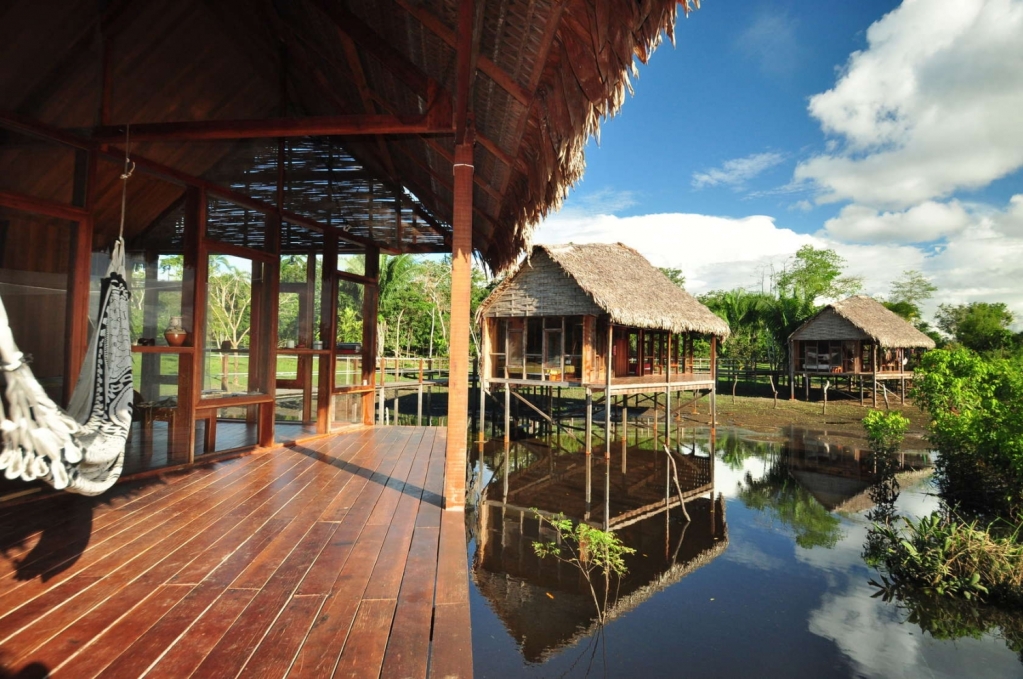
秘鲁AniNiiShobo小屋外部实景图
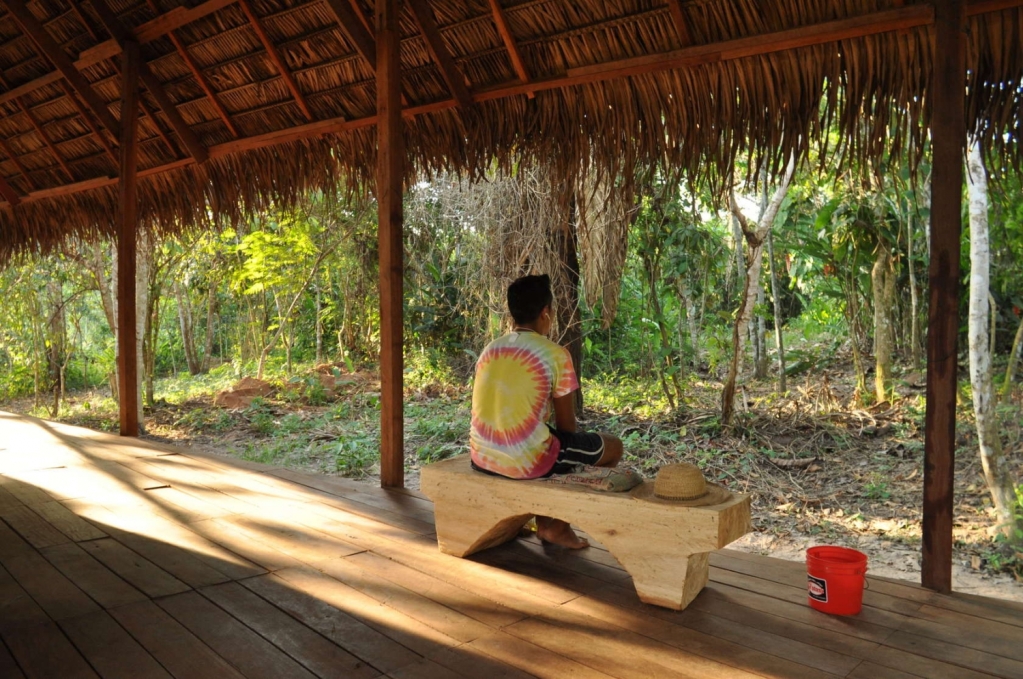
秘鲁AniNiiShobo小屋局部实景图
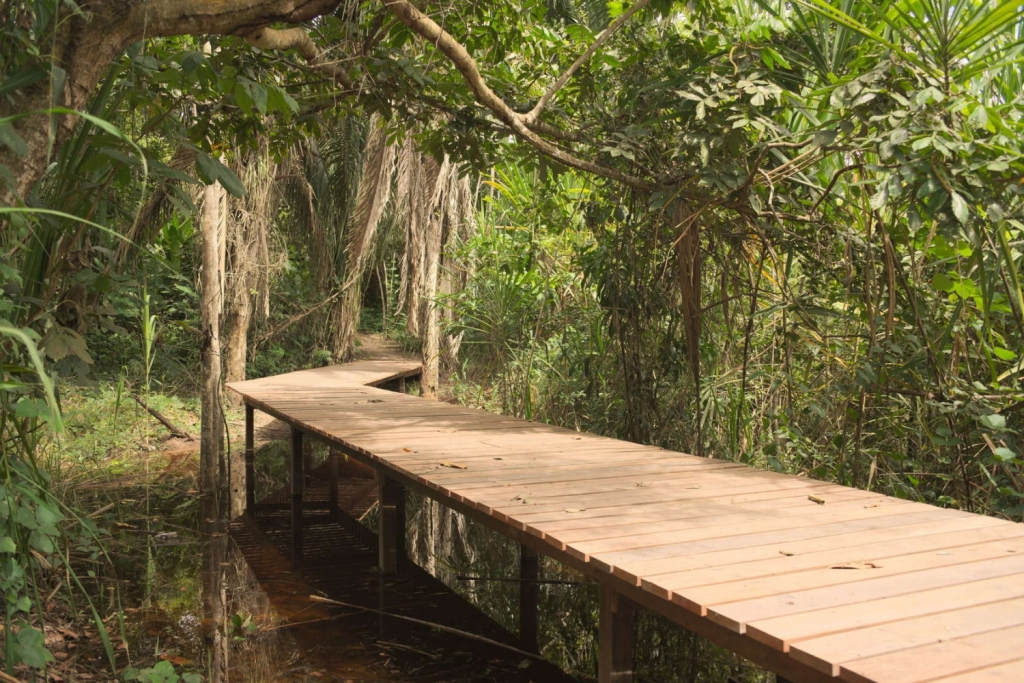
秘鲁AniNiiShobo小屋外部实景图
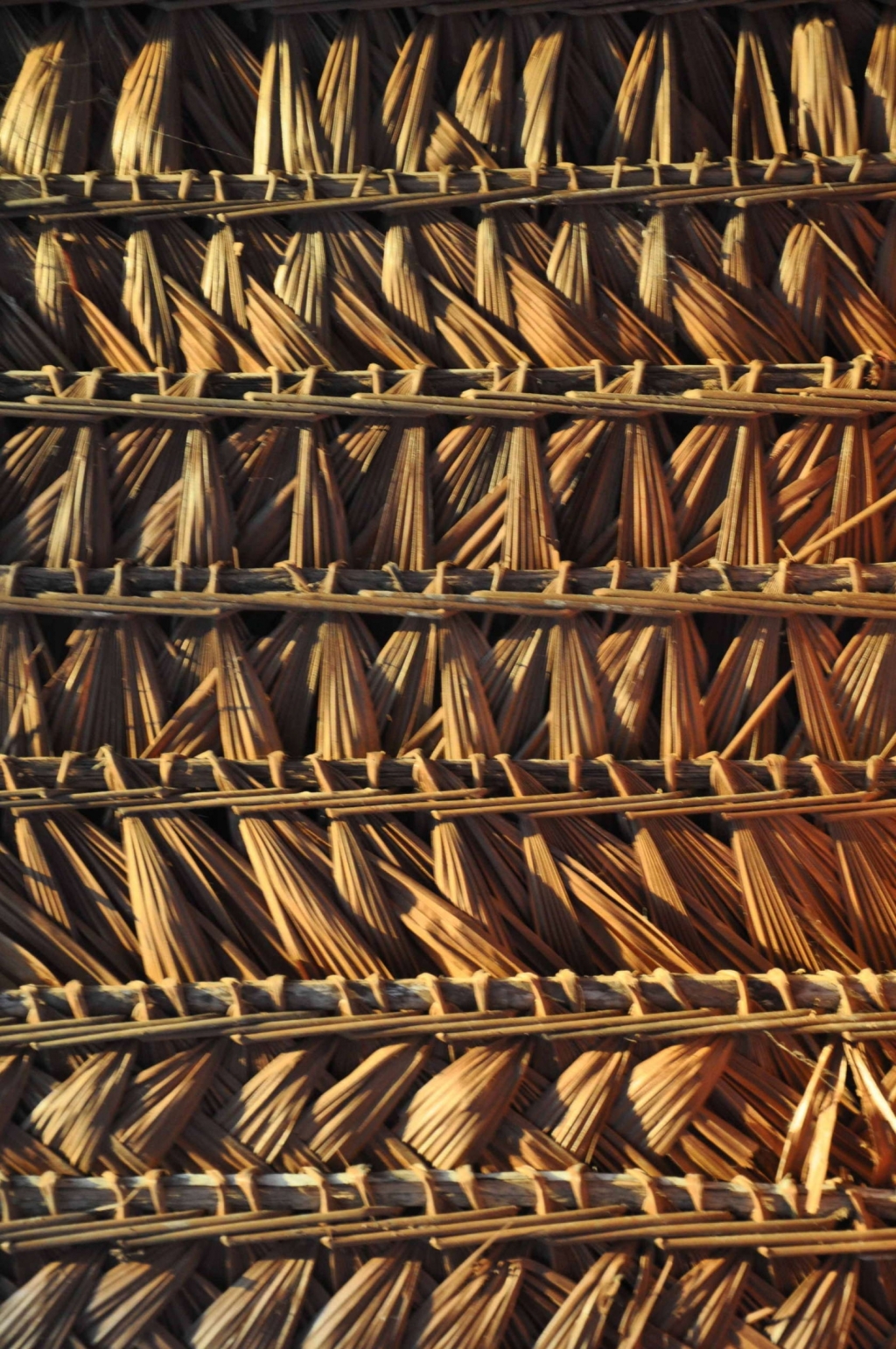
秘鲁AniNiiShobo小屋外部局部实景图
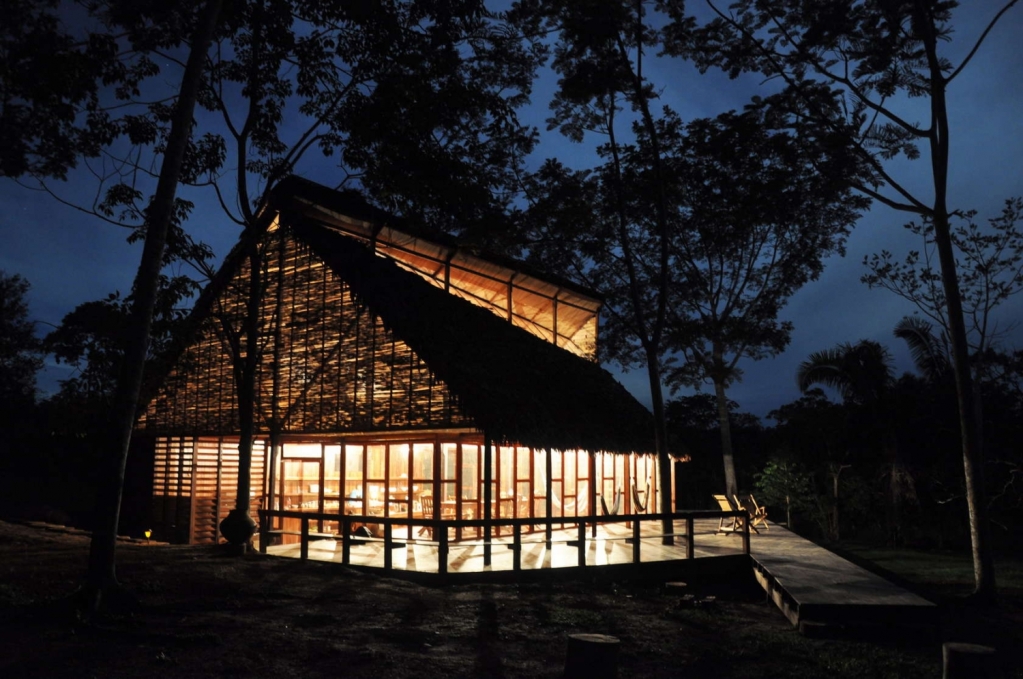
秘鲁AniNiiShobo小屋外部夜景实景图
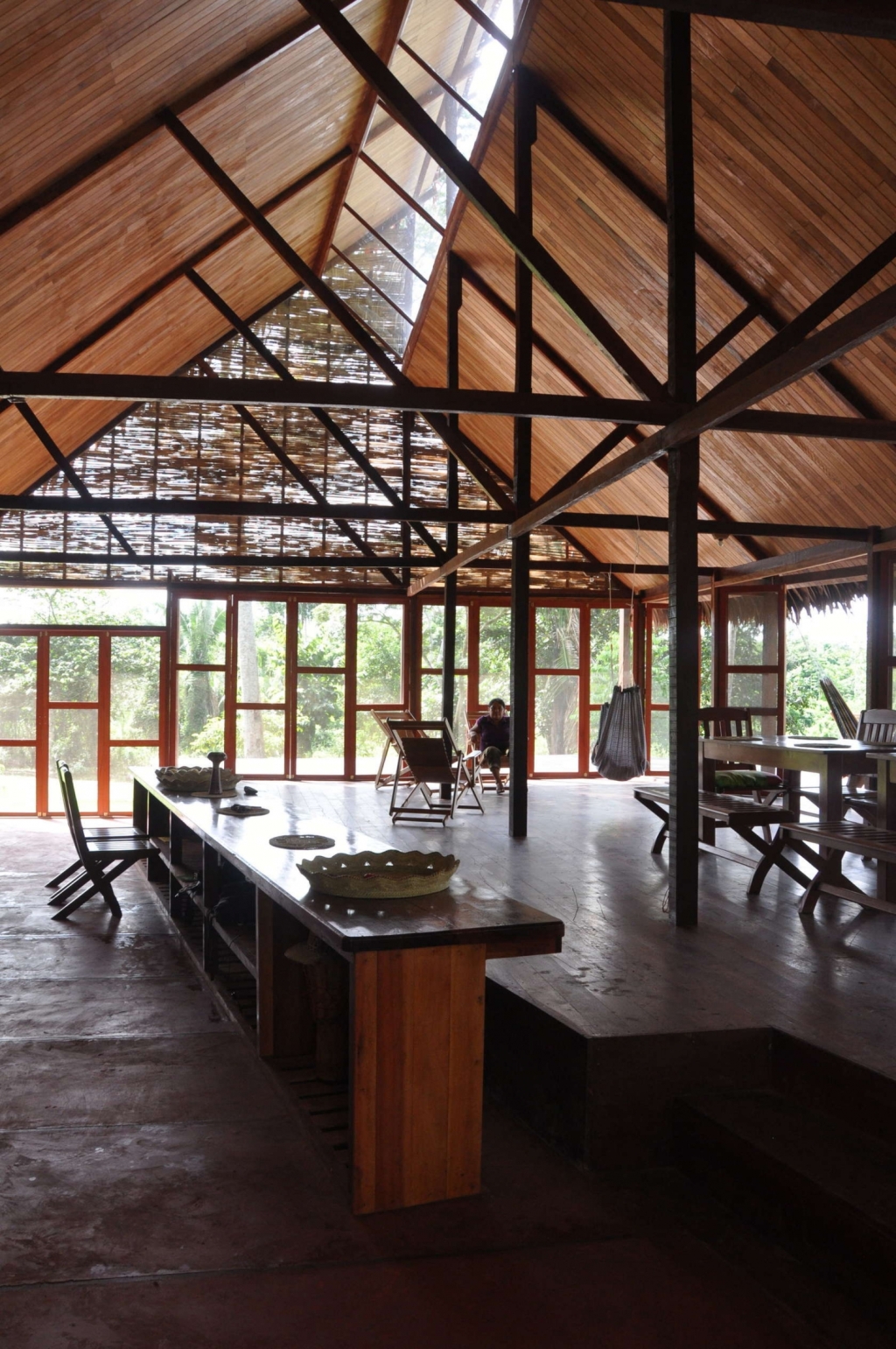
秘鲁AniNiiShobo小屋内部实景图
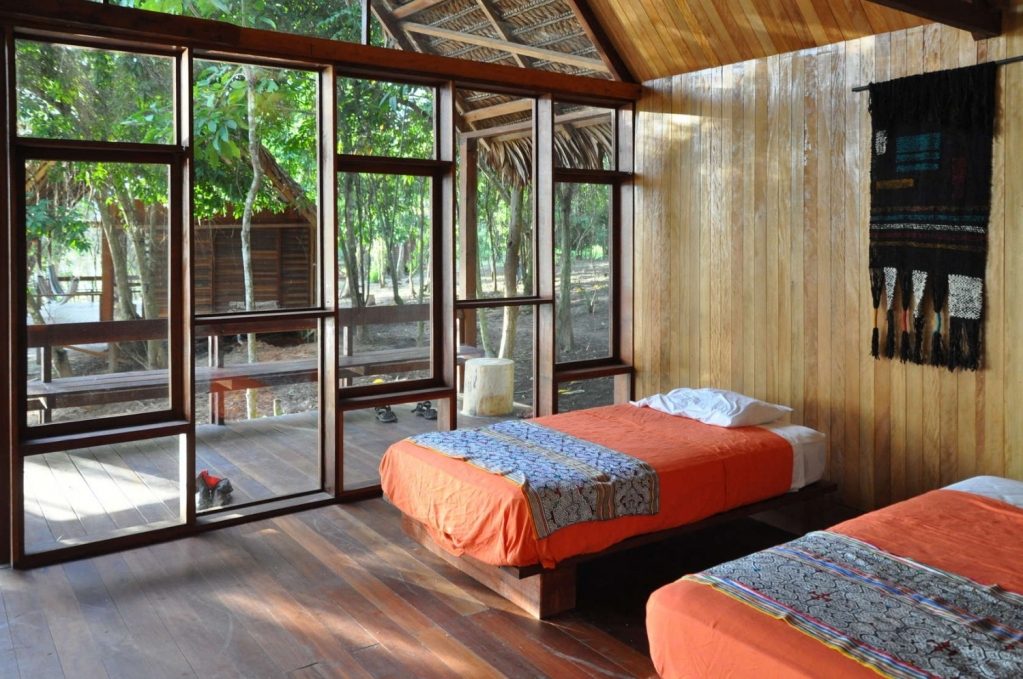
秘鲁AniNiiShobo小屋内部实景图
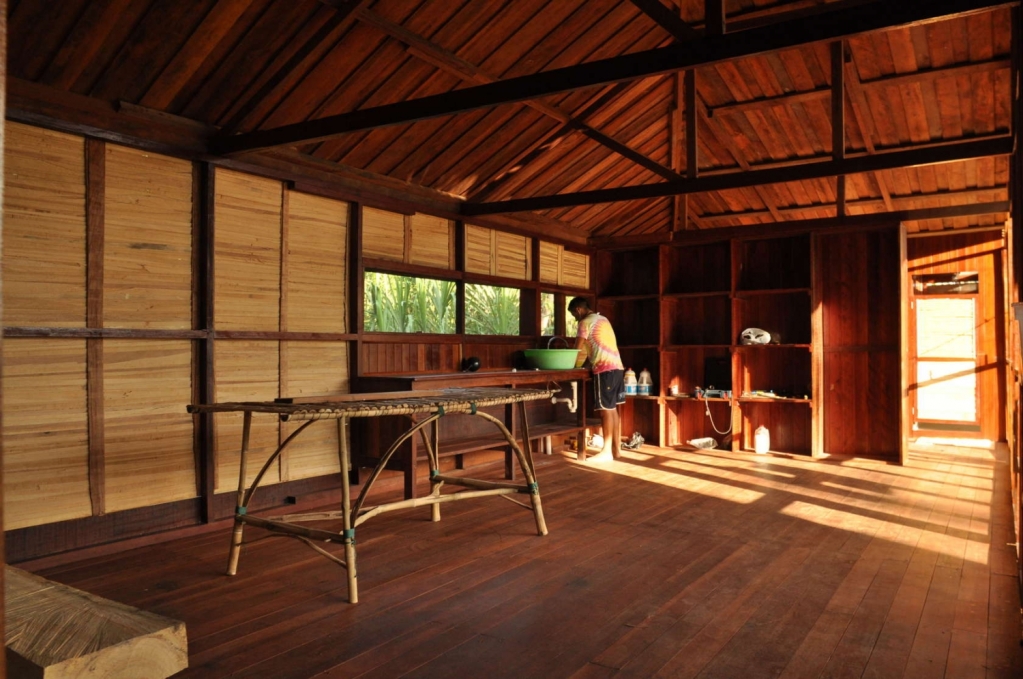
秘鲁AniNiiShobo小屋内部实景图
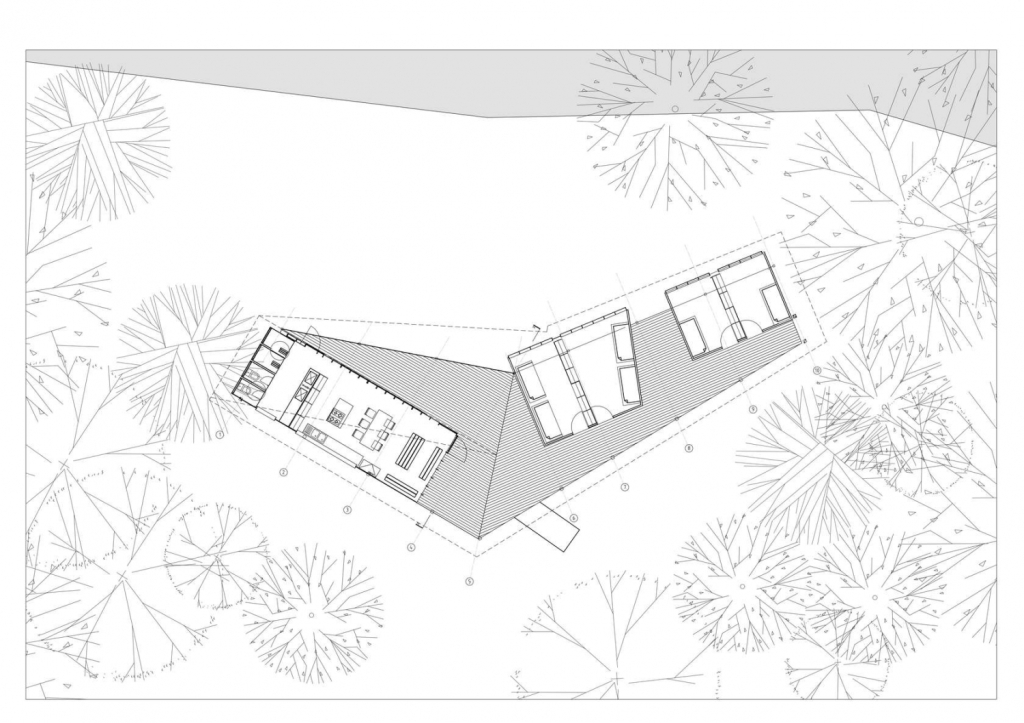
秘鲁AniNiiShobo小屋平面图
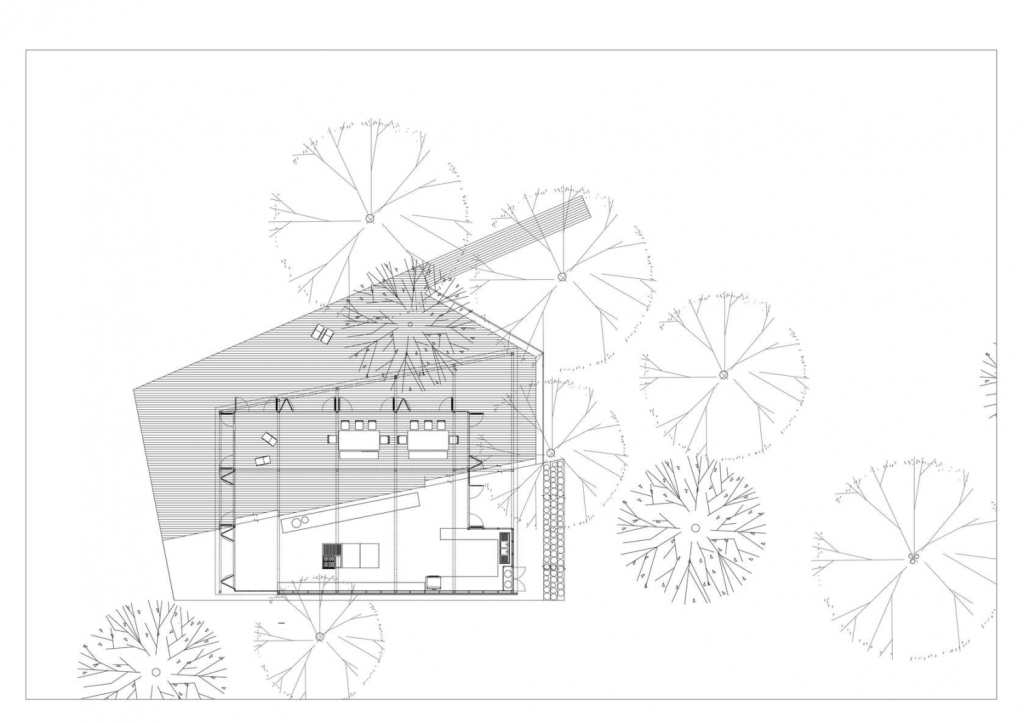
秘鲁AniNiiShobo小屋平面图
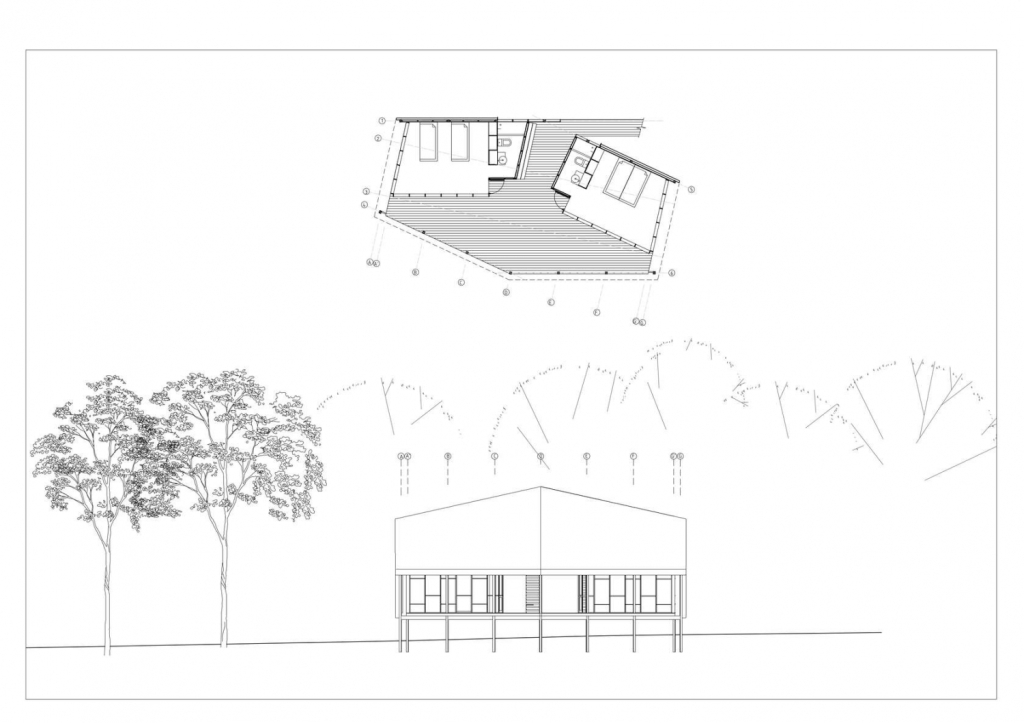
秘鲁AniNiiShobo小屋平面图
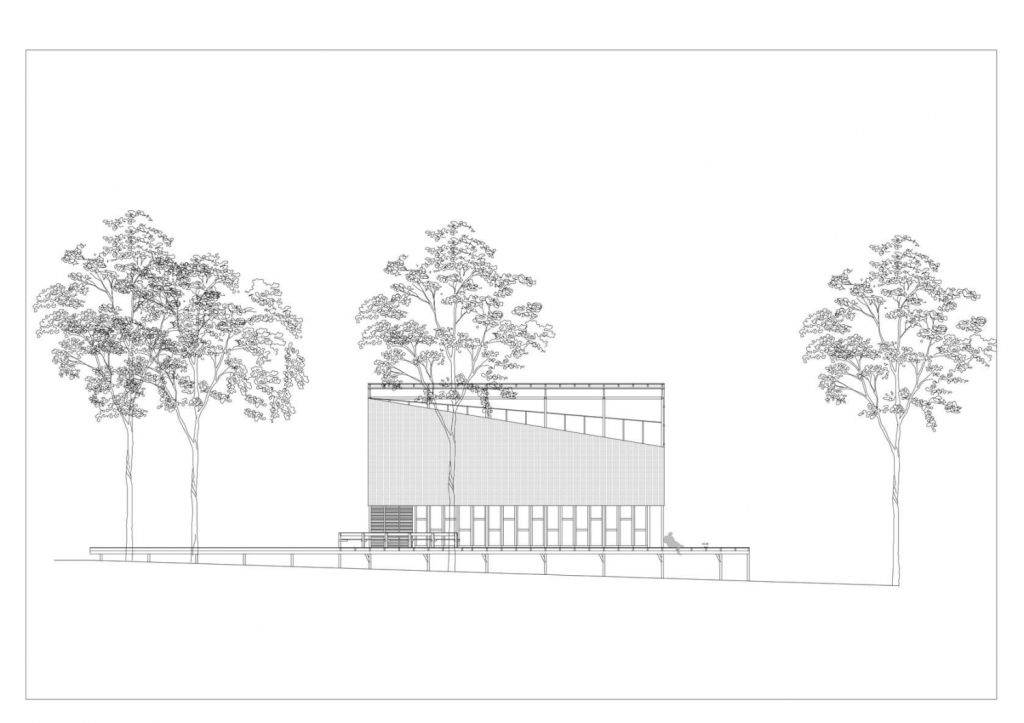
秘鲁AniNiiShobo小屋剖面图
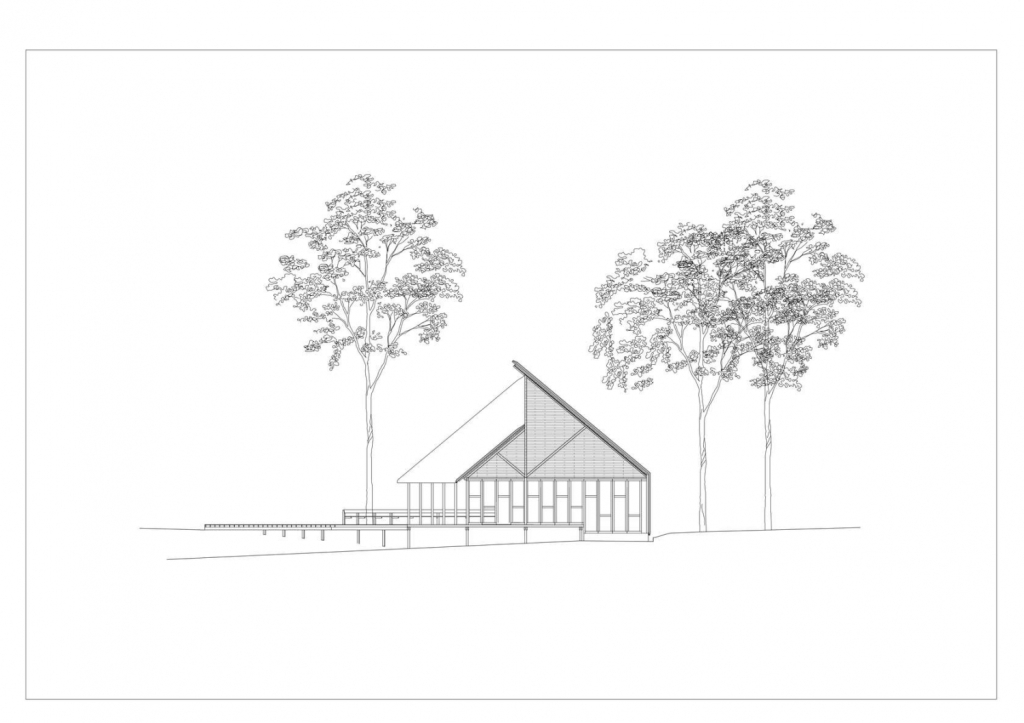
秘鲁AniNiiShobo小屋剖面图
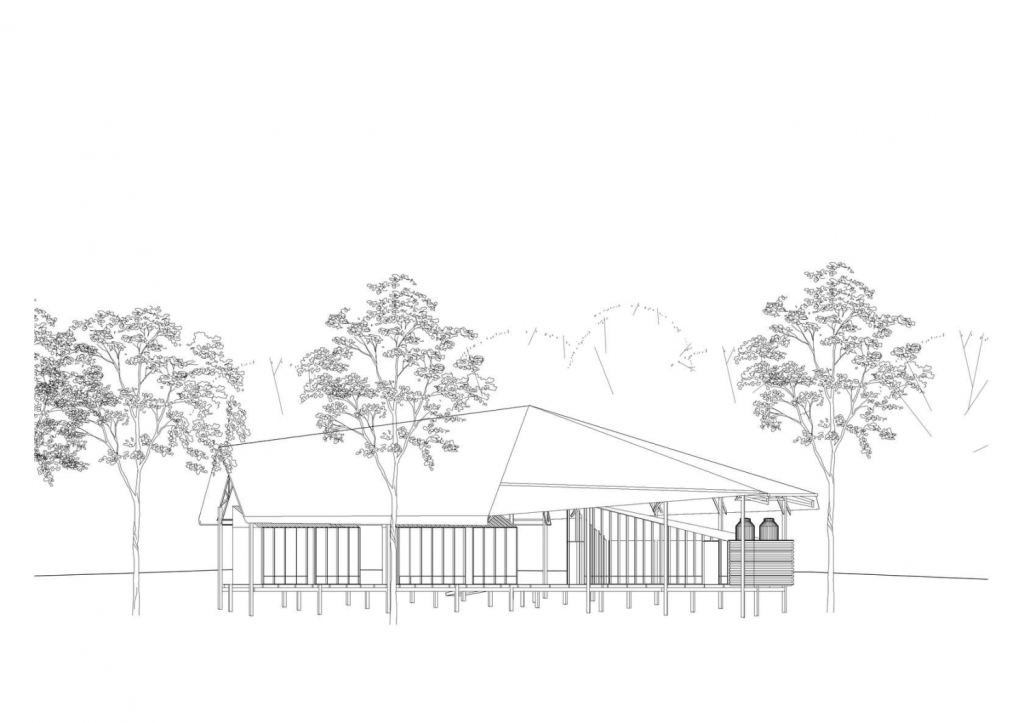
秘鲁AniNiiShobo小屋剖面图 |
|
 关注公众号
关注公众号 川公网安备51010702000609号


 发表于 2026-6-13 00:44:33