|
|
Netherlands IJburg Floating House
设计方:ArchitectenbureauMarlies Rohmer
位置:荷兰
分类:居住建筑
内容:实景照片
图片:15张
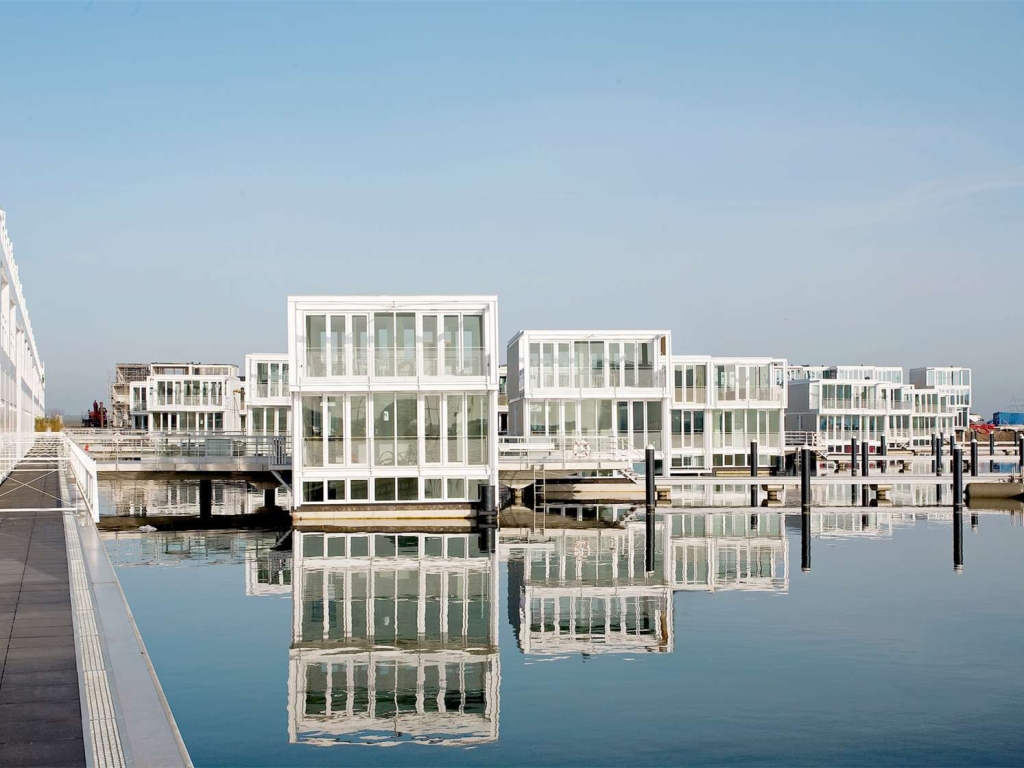
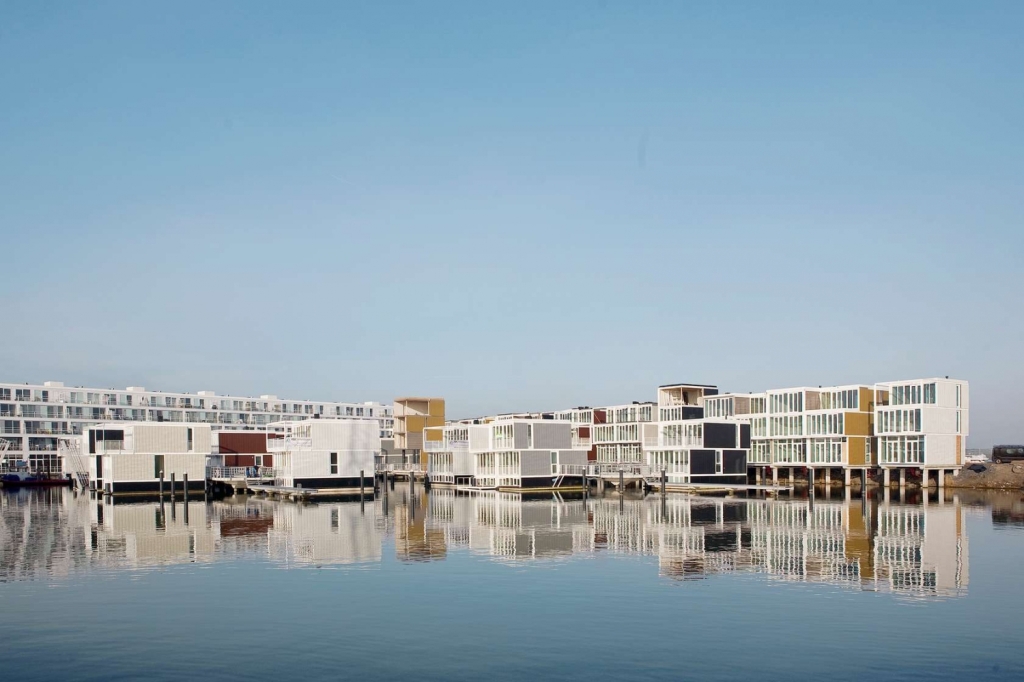
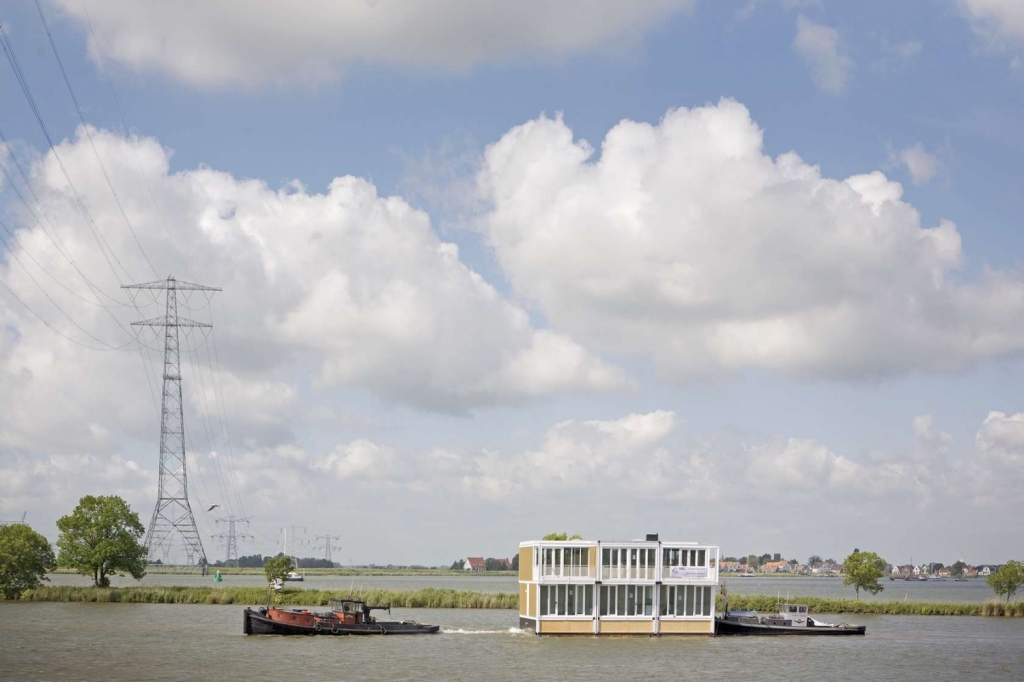
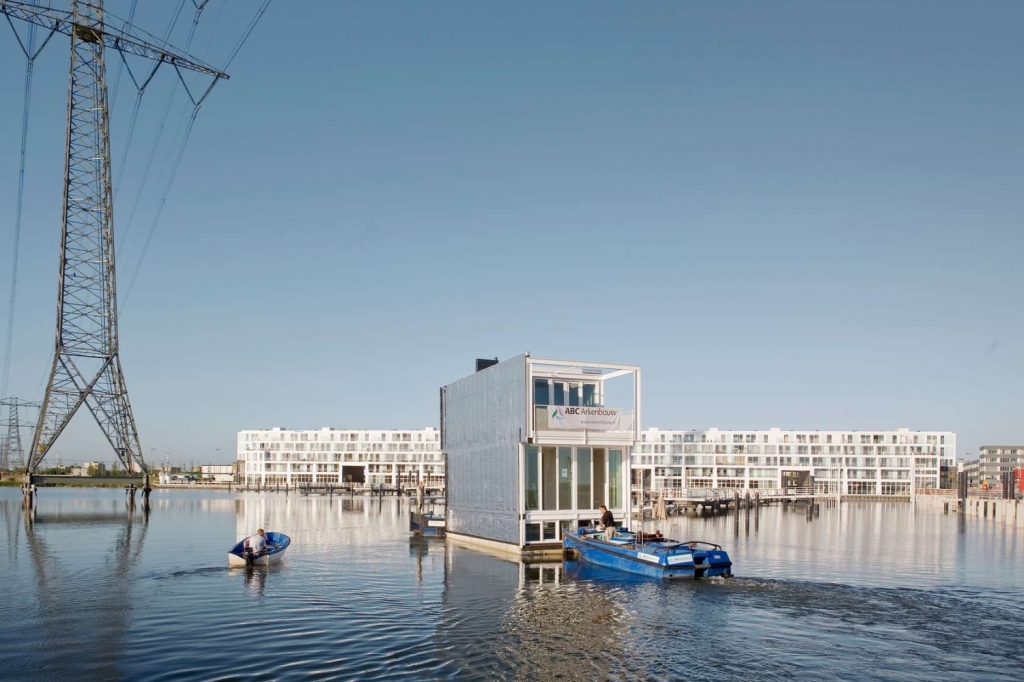
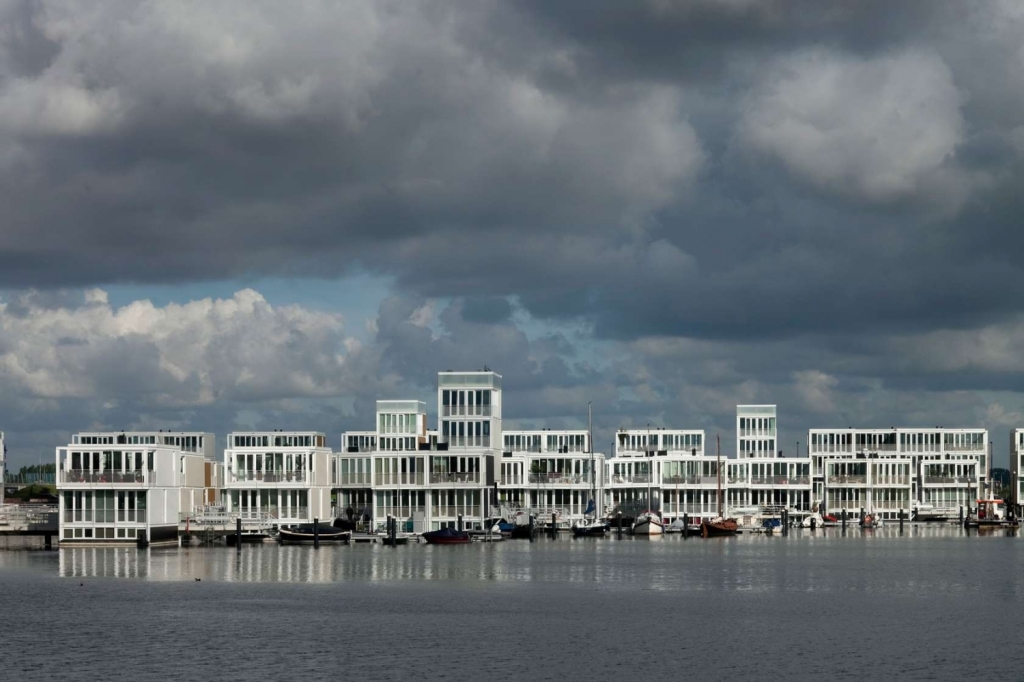
这是由ArchitectenbureauMarlies Rohmer设计的IJburg水上住宅。该项目由75个漂浮住宅和滨水堤坝住宅组成,是一种不同类型的建筑。荷兰人有着亲水居住和应对其反复无常的生活历史。这意味着生活在被堤坝、堆土保护的土地上,岸上或者水上。直到最近,荷兰漂浮住宅才获得资格,成为解决现代住房需求的一个重要解决方案。运河上的住宅成为了荷兰城市一个熟悉的景象,偶尔还能发现漂浮酒店或餐厅。 结构用一种叫做“ijuk”的绳索捆绑起来。每个屋顶由四个单独的竹子支撑,与同样是竹子做的横梁捆绑起来,形成一整个大的柱子。竹子竖立在混凝土地基上,基础从地上长出以用来防水。我们创造了一个宽大而高耸的屋顶,让风可以自由地穿过餐厅。屋顶的覆面也由竹子制成,通过耦合系统组成。这一系统用于防止滴水,并保护竹子免于产生直接暴露在阳光下而常会发生的开裂。 译者:筑龙网艾比 Floating Houses, SteigereilandIJburgIs it a boat? Is it a house? Is it romantic or is it pragmatic? It is a hybrid. It is not what you think it is. Seventy-five floating homes and waterside dyke houses in the private (rental and owner-occupied) sector.Building on the water is a different storywater is not land – a different character – tradition – romanticism – invention – libertarian – system – space – pioneering – adventure – risk – leisure – views – movement – sky and water – individualism – wind and clouds – flouting the rules – contact with the elements – feeding swans from the kitchen window – ice-skating around the houseThe Netherlands has a history of living close to water and of coping with its caprices. That means living on land protected by dykes, on mounds, on shore or floating. Only recently have floating homes been eligible as a significant solution to Holland’s modern housing needs. Canals with houseboats are of course a familiar sight in Dutch cities and one may find the occasional floating hotel or restaurant. But these are always individual units and bear more resemblance to boats than to houses. In recent years, however, there has been an increase in the number of water-based housing developments that share more characteristics with land-based housing. These floating dwellings form part of an urban design. They are financially classified as immovable properties, and compete with land-based accommodation in their interior volume and comfort level. The new water-based developments can incorporate several forms of living with the water. Besides floating homes, they may include amphibious homes and homes that stand free of the water on mounds, dykes or other waterside situations. The IJburg district of Amsterdam is to have complete floating neighbourhoods, with jetties instead of paved footpaths and city plazas.The growing enthusiasm for living beside or on the water has two pragmatic motives. Firstly, rising sea levels and increased precipitation will make it necessary to dedicate ever larger areas of land to water storage basins and peak overflow zones. Secondly, some hold that there is already a crucial shortage of new building land. Not everyone shares that view, however: the strategic consolidation of existing towns produces a sharper urban/rural contrast, making many greenfield developments superfluous or even detrimental. Living – and working – on the water is in effect the multiple utilization of space. It is also a way of redeveloping obsolete dockland areas and flooded quarries. Another, more aesthetic, argument in favour of living on the water is that it fosters a feeling of liberty and of closeness to nature.INSPIRATIONharbour – water – sand – containers – colours – views – pragmatic – utilitarian – urban – uniform – system – efficiencySTEIGEREILANDIJBURGSteigereiland is located in the IJmeer between Zeeburgereiland and Haveneiland. It is the first in a series of islands that form the new urban district of IJburg. The “water neighbourhood”, Waterbuurt West, lies along IJburglaan, the main access road to IJburg which passes over the EnneusHeerma Bridge. On Steigereiland, water, quays and jetties form the framework of public space. The island’s inner basin contains two neighbourhoods with floating homes and dyke houses. Waterbuurt West is a compact urban development with a density of 100 homes per hectare. The floating houses are accessed by jetties. Furthermore, a row of dyke houses have been built along Haringbuisdijk. The movable bridges are marked by “follies” in the form of pile dwellings. The subsoil of Steigereiland is relatively unstable compared to that of the other islands, so the recently drained land will takes longer to consolidate. This is one reason why floating homes were made an important component of the programme of construction in the Memorandum of Starting Points (1996). The plan for the island moreover stipulated a 100 metre wide zone to accommodate the high voltage electricity transmission line. This resulted in a large internal basin in the middle of the island. We decided to arrange the floating homes along the jetties in an informal, loosely-structured way, within the strict geometrical organization of the triangular site which results from the line of electricity pylons cutting diagonally across the basin. Simply by varying the separation distance between the units and the alignment of their roof terraces, we achieved a lively pattern of continually changing clusters. There is plenty of room for small boats between in the water between the floating homes and these will contribute to the informality of the layout: a pleasantly untidy character, the typical atmosphere of living on the water, with movement, individualism and a boat moored at the door. The water houses are sheltered from the busy IJburglaan by the building on the quay called the Kadegebouw. This 200 metre long block contains apartments, business spaces and an indoor car park.URBAN DESIGN OF THE FLOATING HOMESregulations – electricity pylons – ambiance of water – water building-plots – jetties – boat moorings – orientation – character – car parking – 100 homes per hectare – land values – owner occupied + social sectorTHE INITIAL IDEAS[captions]Sightlines and privacyBasement car park in Kadegebouw / parking zone / jetty to water housesProspect and privacyINNOVATIVE BUT TRADITIONALInnovative though the concept is, it is hard to avoid comparing the floating houses to traditional houseboats. What is the difference? The architect Marlies Rohmer gives an example: “All the pipes, wires and services are connected. That is not always the case for a houseboat.” Ton van Namen, the developer of the Water Neighbourhood in IJburg, adds that “the dimensions are much more like those of a normal house. The floating house has three floors and lacks the long, narrow shape of a houseboat. Our water houses really are proper houses that meet all the requirements of the Building Decree. They will last just as long as land-based houses and their value will rise over the years. It’s not something that is usually true for houseboats.” “Everyone likes the idea of living in a water house,” Marlies Rohmer continues, “until they discover that you can’t park your car at the front door and you may have to haul your shopping bags along a lengthy jetty. This is definitely problematic to some potential residents in the higher market segment.”[captions]Water houses can have different interior layoutsThe building system is designed so that the dyke houses, which are cantilevered on piles over the embankment, have similar structural detailing to the floating houses. A floating house is supported on a concrete tank which is submerged in water to a depth equal to half a storey height. The flotation tank doubles as a basement, and can be used for living space or for bedrooms. Supported on the tank is a lightweight wood-framed superstructure which is clad with glass and synthetic panels. The occupant can choose freely which side will have more privacy or a better view. It will also be possible to extend the house by means of a predesigned add-on package. Sun rooms, verandas, floating terraces, solar shades etc. are easily attached to the skeleton.Each house is surrounded by a boardwalk which slopes down towards the water; the boardwalk spans the vertical differences between the jetty, the water and the front entrance at ground floor height. It also makes it possible to walk around the house, as on a boat, and feel a close contact with the watery surroundings. There are several types of water house: a standalone version with its own tank, a semi-detached version and a three-house combination intended for the rental market. The concrete tanks are secured to mooring poles. All in all, it is a hybrid, no-nonsense design – basic, with references to life on the water but offering comfortable living conditions. AN ARCHITECTURE AND BUILDING SYSTEM WITH AMPLE VARIABILITYCLIP-ON DESIGN[captions]1st floorGround floorBasement1 house per tank2 joined tanks3 joined tanksFLOORPLANSThe floor space is divided over three floors, each of which is effectively open-plan. There is the basement, which could for example be divided into a number of bedrooms, a ground floor which enjoys privacy because it is raised above the jetty, and the first floor which enjoys views over the water. The first floor is cantilevered, producing two verandas at ground floor level – perfect places to sit reading a book or for socializing with the neighbours.[caption]The houses are individually built in an adapted shipyard. The houses intended for two-tank and three-tank combinations are joined together before towing to the destination, because these units are unbalanced when floated separately. One advantage of floating buildings is that, within reasonable height limits, they can be constructed in a sheltered location and then “sailed” to the development site. The construction yard for the present project is in Urk, about 70 km sailing distance from Amsterdam. The completed dwellings – with multiple units already coupled – are propelled individually or in small groups to their destination. The locks and bridges that have to be passed en route place a limit on the width of the concrete tanks. The maximum is 7 metres, although this is less than ideal for stability during transportation and in situ. Taller buildings require special measures to assure this stability. Since floating buildings are easy to move, it takes relatively little time to configure a water neighbourhood. During development, the components (the houses) are brought in by water and linked up to the jetties. A neighbourhood of this kind could be easily expanded or reduced in size if that later proved to be necessary. Whole water estates could in theory be restructured or moved elsewhere, and an individual occupant could turn his own house to face a different direction within its water plot. Changes like these are unlikely to happen often, however, since each floating house is securely anchored so that it can be classed as immovable property. The anchorages take the form of brackets and steel poles, which are driven into the bed of the basin to a depth where the subsoil is sufficiently stable.CONSTRUCTION AND TRANSPORTATION[caption]Water houses in convoy from Urk to Amsterdam IJburgpredictable construction conditions – not affected by weather – prefabrication – serial building – assembly – transportable by water – from yard to development site – limitations of locks and bridges[captions]1. The water houses are built in a covered dry dock.2. Formwork for the concrete flotation tank.3. The interior walls of the basement are positioned in the concrete tank.4. Once the interior walls have been assembled, the ground floor floor can be added.5. Prefabricated side walls are hoisted into place as complete units.6. The outside walls are clad with coloured vertical strip units.7. The production line.8. Building services and fittings are assembled and the interior is finished.9. The dry dock is filled with water and the house units are moored in the desired order.10. Houses intended for multi-house units are coupled to form a single floatation mass; these houses are not independently stable.11. When ready, the houses are propelled into open water.12. Ready for transportation.TRANSPORTFlotationtechnologyTwo main flotation technologies, widely known as the Dutch and the Canadian methods, are used. The Dutch method employs a concrete tank which stays afloat due to the upward force of the water. Its shell is made of high-strength double-reinforced concrete, assuring a leakproof, unsinkable tank. Another advantage is that the structure does not require reinforcing ribs, so that the shell can have an open plan floor. The tank is usable as a box room or, as in Waterbuurt West, as a complete living/bedroom floor. The Canadian method uses a platform (actually an inverted concrete tank filled with synthetic foam). It resembles a small, concrete island. This model does not have storage spaces or living space below water level; everything is above the waterline.StabilitySince the foundation of a floating building is not a static one, its stability is an important matter for attention. Its stability – or to be precise, its anti-capsizing performance – depends on the depth, on the size of the flotation body, on the height of the superstructure and the distribution of mass. In principle, it is possible for the building to be asymmetrical; the unequal load is supported by the structure of the floating foundation or concrete shell. The lower the centre of gravity and the wider the flotation body, the more stable the whole building generally is. Concrete tanks are especially stable thanks to their low centre of gravity.The fairly shallow surface water of the Netherlands is suitable particularly for flotation bodies with a limited draught. It is moreover important to leave sufficient room under the floating structure to help protect water quality. A water depth of 150 cm is generally sufficient for floating platforms made of concrete and polystyrene foam; the draught of this kind of platform varies from 90 to 120 cm according to the volume and the weight of the superstructure. Concrete shells generally have a draught ranging from 70 to 150 cm, but it can easily be more than that when a heavier floor is present. The draught of a floating structure can be reduced by keeping the weight low. The superstructure of floating dwellings in the Netherlands is usually built around a wooden skeleton for this reason and is limited to three storeys in height. It is awkward to deal with taller structures because they are unstable. If someone places a piano or a full bookcase on one side of the room, it has to be balanced, for example with a solidly built table, on the opposite side. This would not be a problem in a dwelling supported on piles. Another measure taken to keep the weight down is to use building materials that have a high strength to weight ratio, such as ultra-high strength concrete. A reduction of mass does entail lower stability for the structure, but for a three-storey wood frame structure, the mass of the flotation body has a negligible influence on stability as long as its width is greater than about 10 metres.Taller buildings necessitate a pontoon or a tank of larger volume (both surface area and depth may be increased). Archimedes’ Law prescribes that the vertical load of the building and the flotation body combined must equal the weight of water displaced. That implies deeper water, for example in a former harbour area. A wider flotation body reduces the risk of capsizing or of tilting at high wind pressures. Wider flotation bodies however entail consideration of the bending moments of the structure and of the transportation problems (lock widths). As well as standing up to horizontal loads, a floating building has to endure vertical movements due to waves and swell. A crucial consideration is the frequency of the wave tops in relation to the eigenfrequency of the floating mass. In the low undulations of inland waters, however, the hazards due to vertical motion will be insignificant or avertible. [caption] Stability and ballastFLOTATION TECHNOLOGY AND STABILITYconcrete tank – 2% maximum deviation – stability – height – mass distribution – compensating weights – residents: user manual – structure: movement and noise – fluctuating water levels – waves – limited draught – Archimedes’ Law[caption]can’t be donecan’t be donecan’t be donecan’t be doneServices and suppliers: “a long-running soap opera of cables and pipes”In technical respects, most problems have been solved. But the strict rules and regulations surrounding housing, developed for dwellings on terra firma, have continued to present challenges. “The main factor that has held up our project has been the cables and pipes,” Marlies Rohmer explains. “Every utility company has its own ideas about how its services must be connected to a floating home.” Fire safety is another serious problem. When the fire service needs access to a jetty to fight a house fire, there has to be a second escape route on the jetty. The jetty must be robust enough to cope with firefighting equipment, and there must be a fire hydrant in the vicinity. “It’s a spectacular barrage of rules and requirements.” Connecting up a floating dwelling to the mains services makes it less movable. Gas, water, electricity and sewerage are provided by flexible pipes and insulated cables. Pressure piping systems can be a useful solution for the sewage. The heating and cooling of water-based homes can achieved by new technology, with a heat pump coupled to a heat exchanger. The exchanger uses the water under the house as a thermal source for cooling and heating.UtilitycompaniesThis project entailed negotiations with the utility companies, who had hitherto assessed the risks as unacceptable. Their knowledge and responsibility regarding mains connections was limited to dry land. This meant that the house occupants would bear the responsibility for sewage, gas, water and electricity mains connections from house to shore. In the end, we opted to incorporate the cables and pipes into a concrete conduit under the jetty, with meter cupboards on the jetty itself. The development/construction company provides the mains links between the meter cupboards and the floating houses.EnvironmentalissuesUnlike the steel hulls of conventional houseboats, both concrete tanks and floating foundations of concrete/polystyrene are practically maintenance-free. The superstructure is more exposed to the elements, however, and low-maintenance, long-lasting materials are therefore used for this purpose. Environmental considerations played a part in the choice of materials. One of the environmental protection measures imposed by the municipality is that paint and heavy metals must not be allowed to leach in the water. So the occupants have to get permission to paint the exterior of their floating homes.ExternalrequirementsThe city Planning Department (DRO) and the Amsterdam Development Corporation (OGA) have drawn up a schedule of requirements for the jetties in Waterbuurt West. The jetties are public space. Among the implications of this is that it must be possible to deliver all the service mains (gas, water, electricity, sewage etc.) to the dwellings. The services are therefore incorporated into the jetties. Each floating house has a metre cupboard on the jetty and two mooring posts. The jetties must be accessible for pedestrians, and there must be a walking route through the neighbourhood so that visitors can explore this “marina”. Cycling and parked bicycles are prohibited on the jetties. For each jetty, there will be a communal bicycle shed in the subway passage of the Kadegebouw for use by residents of the water houses. Cars are naturally also forbidden to drive onto the jetties. Parking and garage facilities for residents are available along IJburglaan and in the underground car park of the Kadegebouw. House removals will require the use of hand trucks via the jetties – or can take place by boat. Underground domestic waste containers will be installed on the service road alongside IJburglaan. Safety on the jetties requires special consideration. For example there must be notices which warn of the danger of falling into the water and provide advice on what to do if such an accident occurs. Fire service requirements must also be taken into account. Another area of concern is environmental protection. The municipality has agreed with Rijkswaterstaat (the National Department of Roads and Waterways) that the quality of the Water Neighbourhood basin must remain at least as good as in the main IJ waterway. Environmental requirements also apply to the building materials used. These must need little or no maintenance. Any steel used must be either stainless or galvanized and stove enamelled, because zinc can leach from normal galvanized steel and pollute the water (the 50 metre tall electricity pylon, which consists entirely of galvanized steel, was conveniently forgotten when this requirement was mentioned.) The agreements with Rijkswaterstaat also entail keeping the sluice in Haringbuisdijk closed for the first few years, except to admit the passage of boats, until it can be demonstrated that the quality of the basin water is upheld. Rafts covered with plants – known locally as “floatlands” – are to be installed as an adjunct to purifying the inner basin. Finally, to avoid the stagnation (and hence biological degradation) of the water, electric propellors are installed under the jetties to provide continual currents.SERVICES AND SUPPLIERS: “A SOAP OPERA OF CABLES AND PIPES”20+ different parties involved – procedures and rules – laws of dry land – public utilities – emergency services – new solutions – mains connections – responsibility – meter cupboards – escape routes – architect/process manager/experts from municipality/developer – official accessibility requirements[captions]Meter cupboard on the jettyFlexible mains connectionsDesign and consultationThe company Villanova came up with a concept for the jetties in the form of a concrete tray (containing pipes and cables) covered by a wooden or concrete deck. The meter cupboards for the floating houses are integrated into the fencing along the jetties. Footbridges are to be built between the jetties, linking them transversely to the Haringbuisdijk; these will form part of a pedestrian route through the water neighbourhoods, and will also provide emergency escape routes. Residential jetties of this kind were a novelty to all the parties involved in the project, and hence – this being Holland – they sparked off a spate of meetings (with sometimes as many as 20 people present) and consultations. The utility companies like to dig their own trenches in the soil, but now they had to decide how their conduits would be arranged and spaced in the shared concrete box of the jetty. The water company was particularly concerned: water is vulnerable to freezing, but it also must not get too warm since that raises the hazard of Legionella growth. A new expert joined the panel and a solution for freezing was quickly found: it could be prevented by a low-voltage heating wire spiralling around the water pipes. Then the water company pointed out that they lacked a staff of electricians and could therefore take no responsibility for the maintenance of this electrical system. After much further discussion, an official from the electricity company offered their services for this purpose. Legionella suppression was a tricky problem and apparently required more research. But a solution quickly presented itself here too: water flowing through a pipe does not pick up as much heat. “We’ll mount thermostats at intervals along the water mains pipe. If the temperature in a given section rises above a certain limit, the thermostat will actuate a valve so that water can run out of the pipe into the basin.” Then another participant raised a warning finger: “you need a permit to discharge drinking water into a public waterway.” In Amsterdam, fortunately, the same company is responsible for supplying drinking water and the management of inland waterways – another problem solved. Amsterdam has separate sewer systems for rainwater and domestic sewage. Discharge pipes for both of these have to be built into the jetty. A sedimentation tank for precipitation is provided on the quay, and this in turn discharges directly into the basin. How to discharge rainwater falling directly on a floating home led to an entertaining exchange. “Suppose the floating house was not there: where would the rain fall?” Answer: into the water. “So now we have to catch that rainwater, pump it through a pipe in the jetty to the shore, let it settle in a tank on the quay and wait for the water to run out into the basin?” Answer affirmative. “That seems a bit over the top, doesn’t it?” Answer: those are the rules. The bandying of viewpoints continued for quite some while until we reached a conclusion. In this particular case, an exception to the rules was possible: the floating houses would be allowed to discharge the rainwater that falls on them directly into the basin.TheDeckThe decks of the jetties have to meet a whole range of requirements: aesthetics, maintenance, durability, removability (for access to the cables, pipes and valves beneath the deck), safety etc. Wood is attractive but it is too slippery in wet or icy conditions. Wood with surface enhancements such as steel or rubber strips, would be too expensive, too maintenance-dependent and in some cases too uncomfortable to walk on. Concrete panels could meet the requirements, but aluminium would be better. Objections such as aluminium being not strong enough or too slippery are soluble. For this project, the choice fell on aluminium decking panels with perforations. Rainwater will drain through these into the mains services tray, which must in turn be provided with drainage holes. Time will tell whether questions such as the aluminium decking being too dazzling in sunlight, or being too difficult for the borough (responsible for public space and hence the jetties) to clean and maintain, are significant issues.Dredging and the footbridgesWaternet, the company responsible for inland waterway management in Amsterdam, will have to dredge the water neighbourhoods once in every ten to fifteen years. Otherwise an accumulation of silt on the basin beds could block the space under the floating houses.
荷兰IJburg水上住宅外部实景图
荷兰IJburg水上住宅外部实景图
荷兰IJburg水上住宅外部实景图
荷兰IJburg水上住宅外部实景图
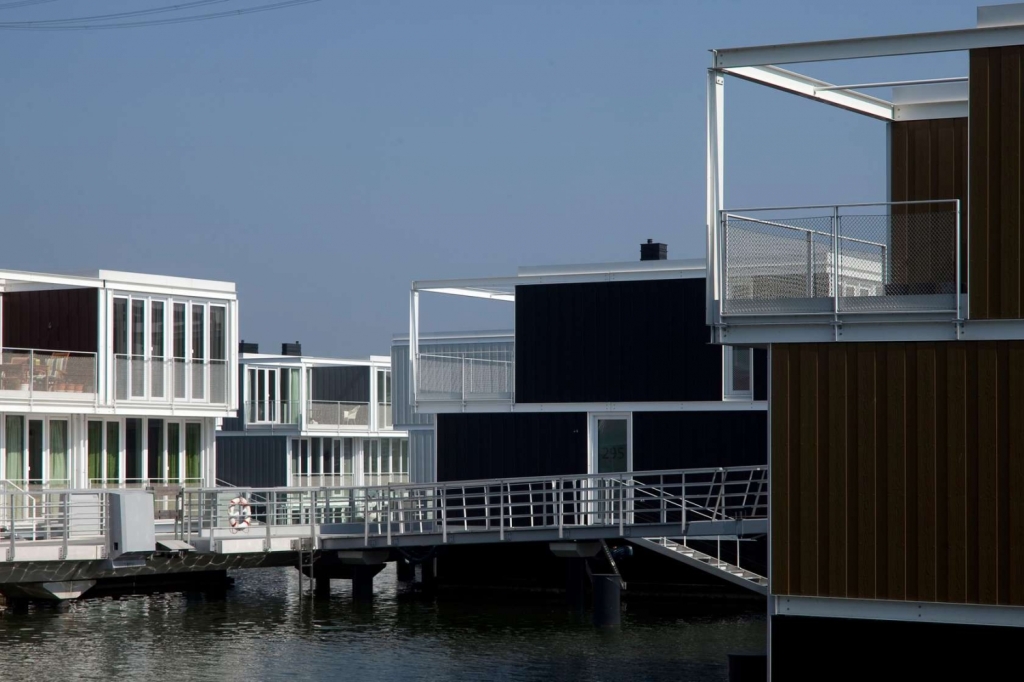
荷兰IJburg水上住宅外部实景图
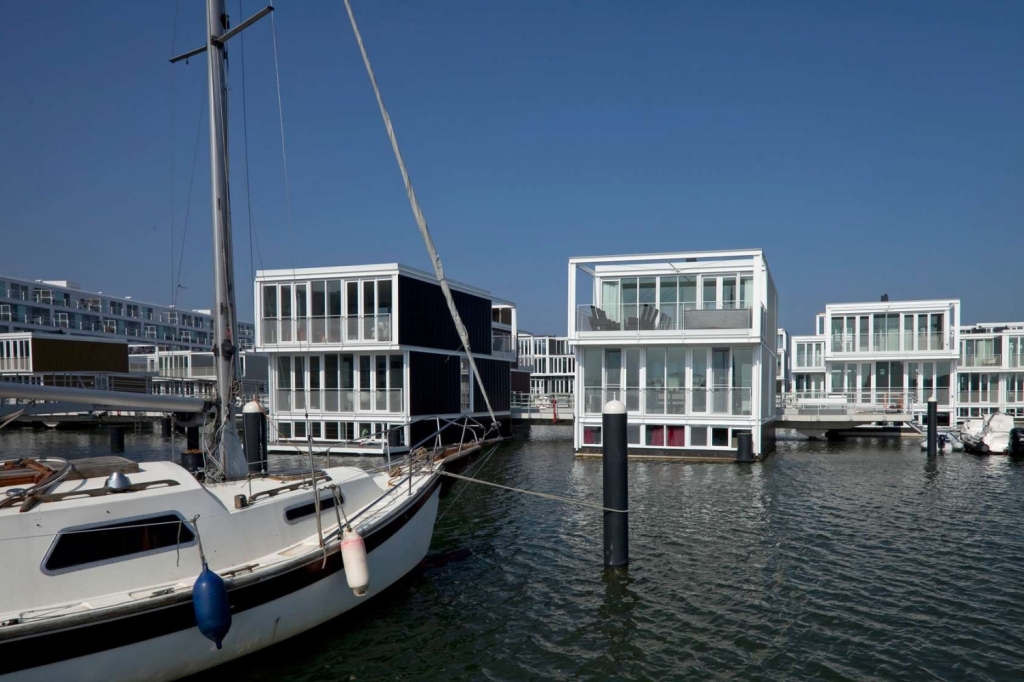
荷兰IJburg水上住宅外部实景图
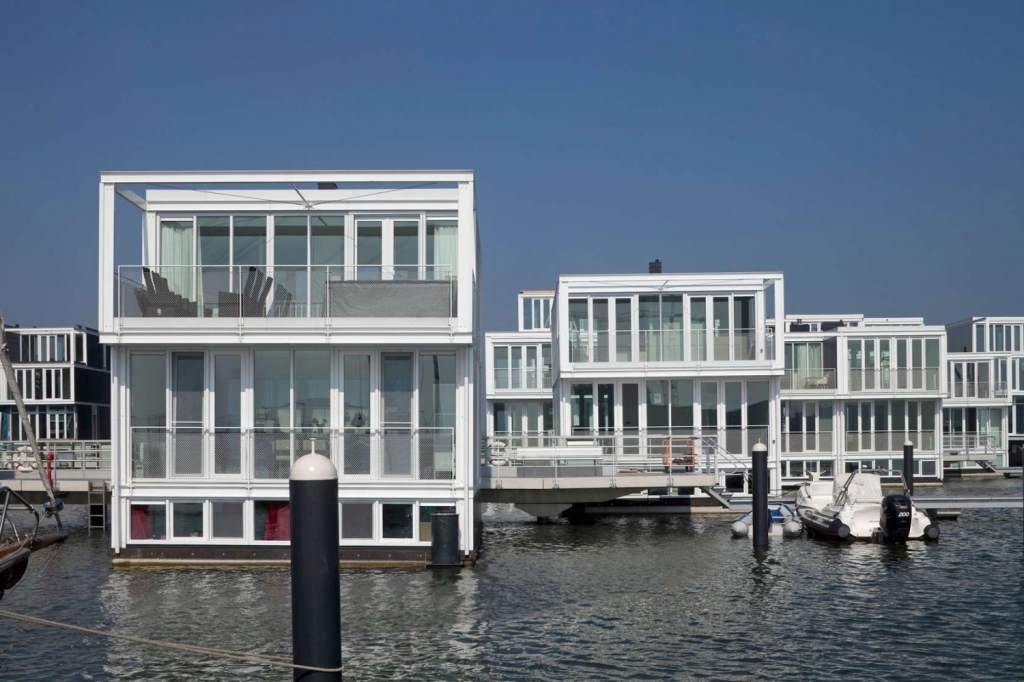
荷兰IJburg水上住宅外部实景图
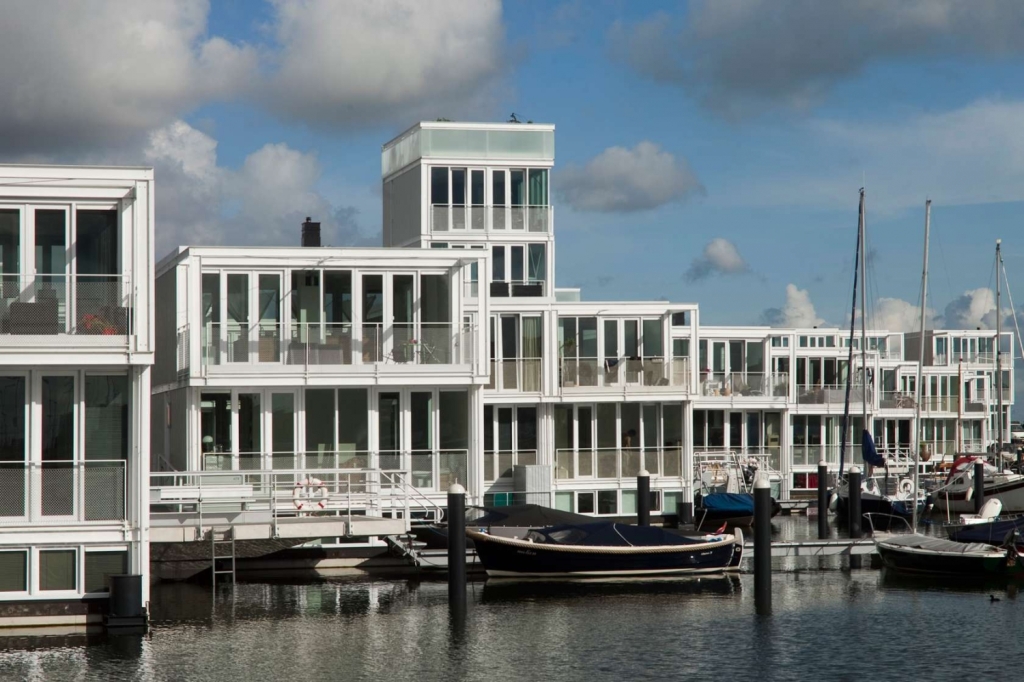
荷兰IJburg水上住宅外部实景图
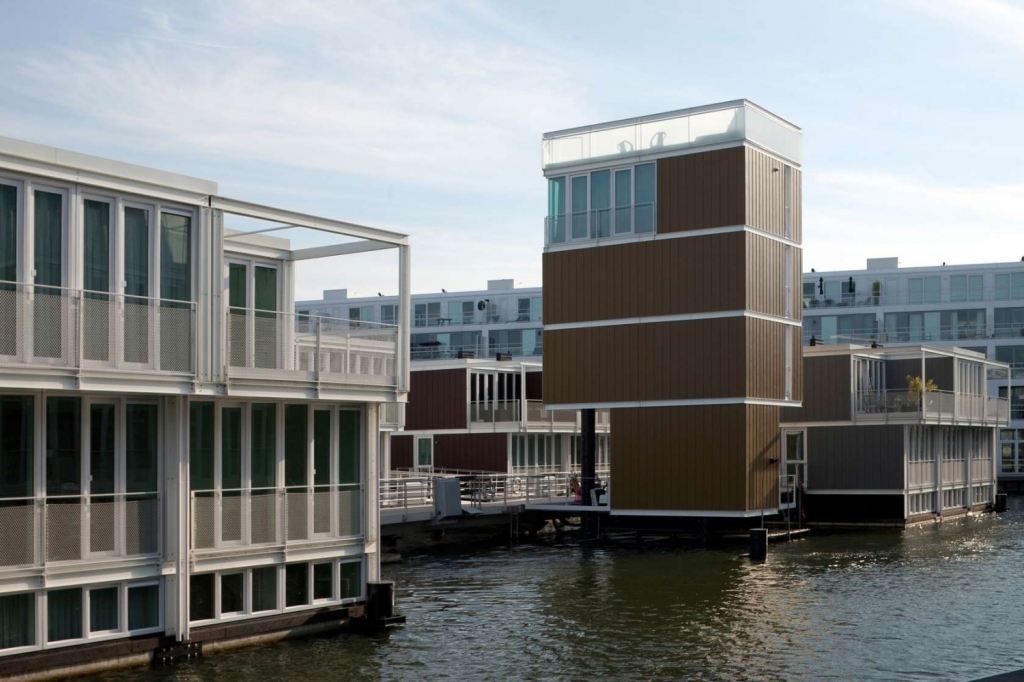
荷兰IJburg水上住宅外部实景图
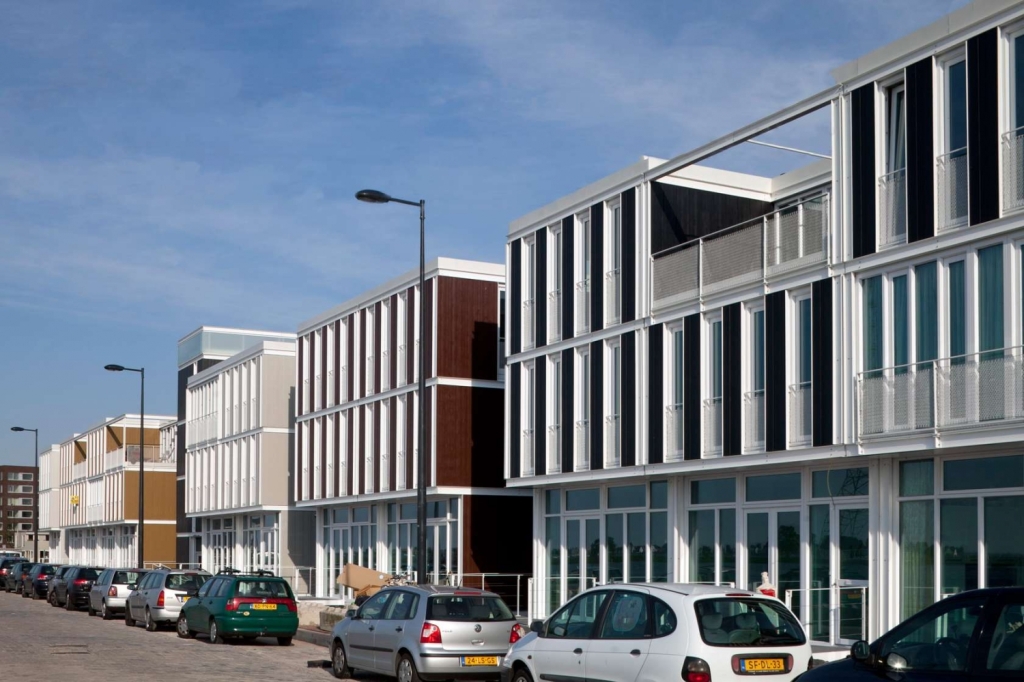
荷兰IJburg水上住宅外部实景图
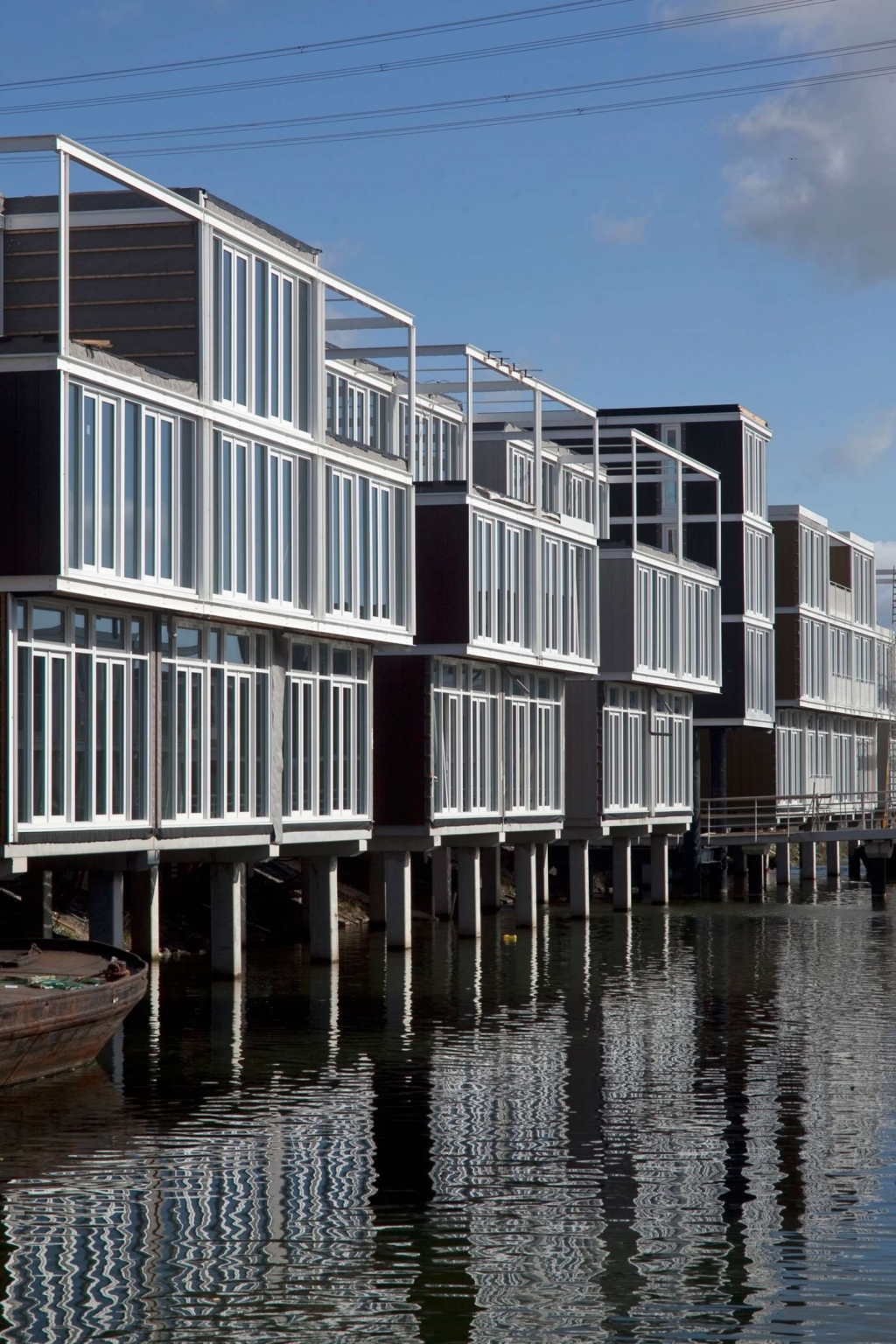
荷兰IJburg水上住宅外部实景图
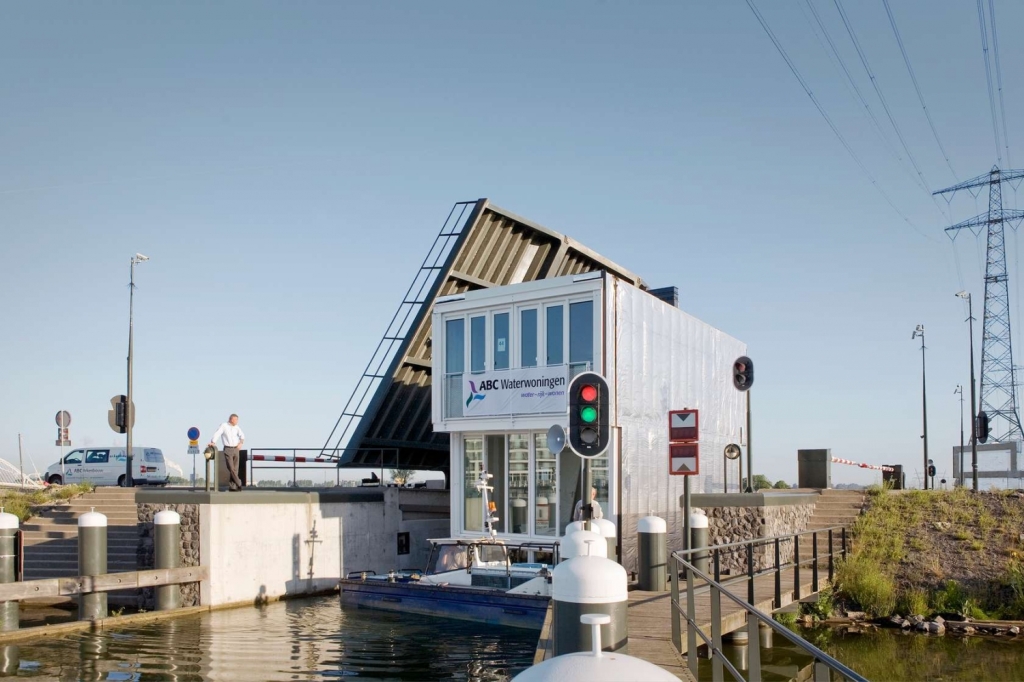
荷兰IJburg水上住宅外部实景图
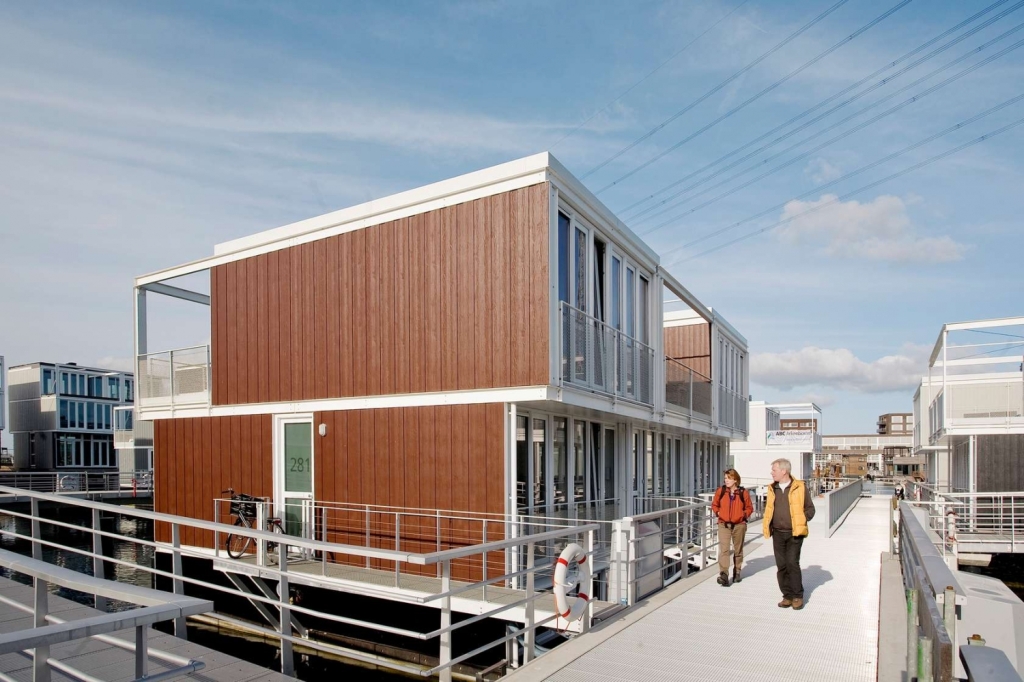
荷兰IJburg水上住宅外部实景图
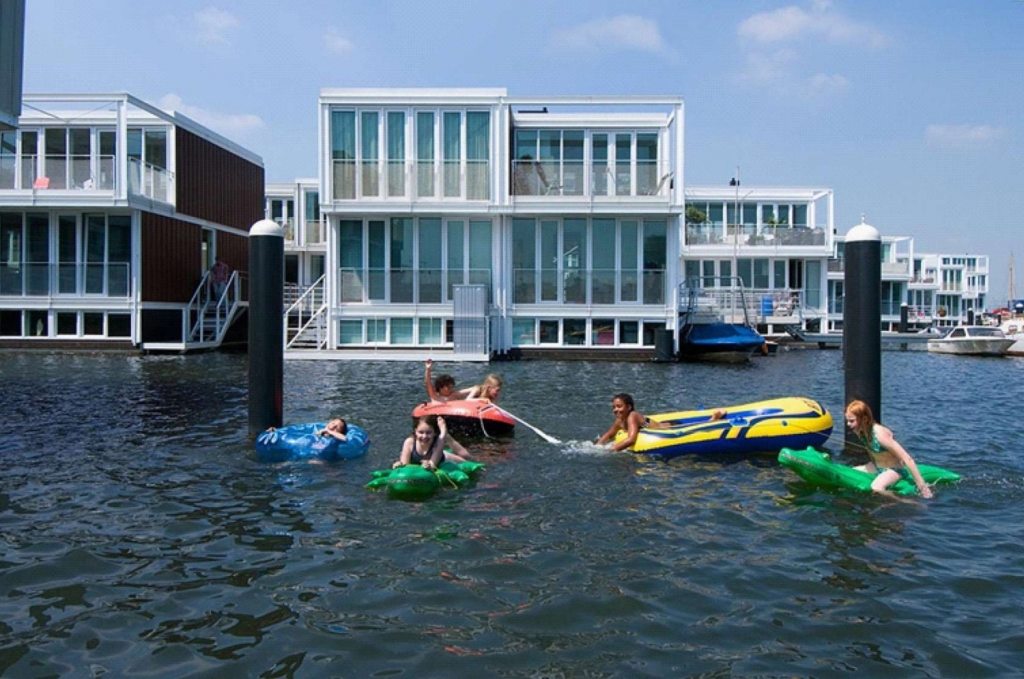
荷兰IJburg水上住宅外部实景图
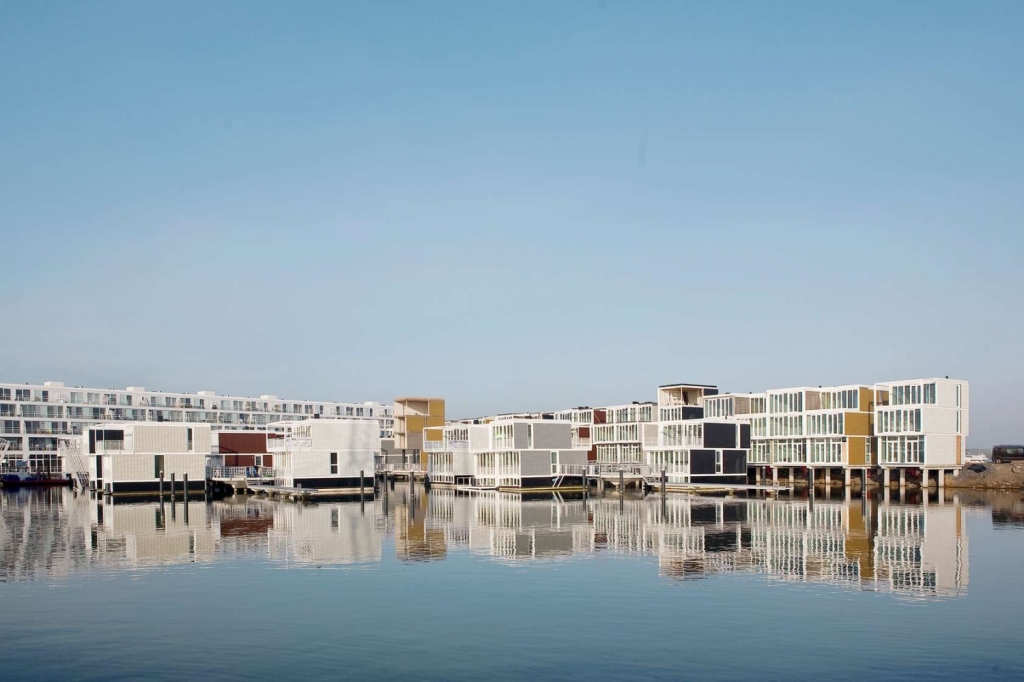
荷兰IJburg水上住宅外部实景图
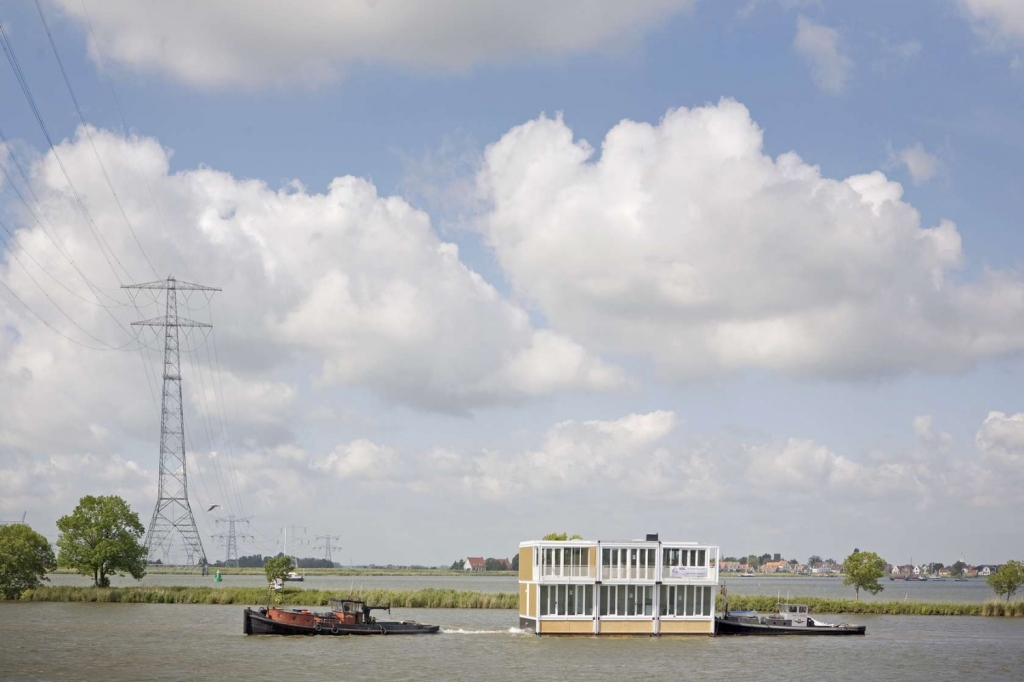
荷兰IJburg水上住宅外部实景图
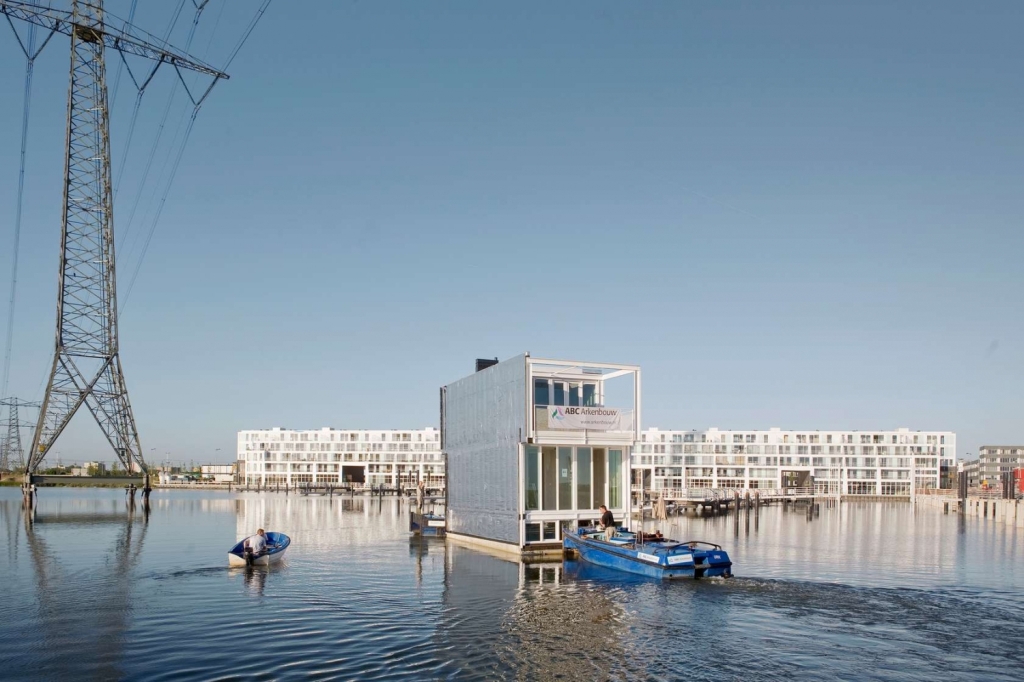
荷兰IJburg水上住宅外部实景图
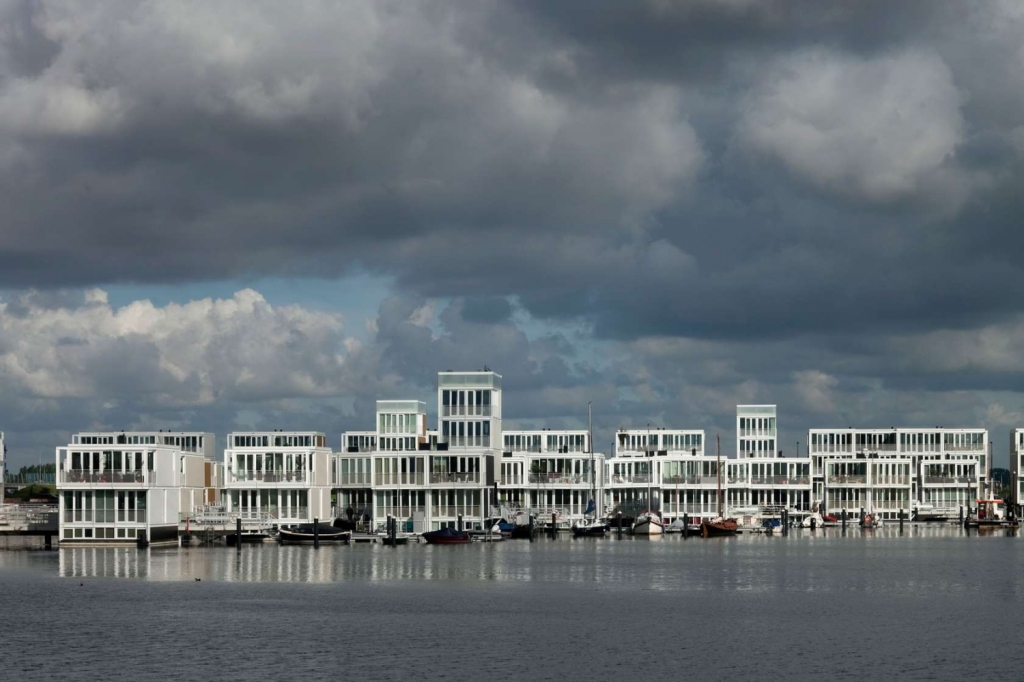
荷兰IJburg水上住宅外部实景图
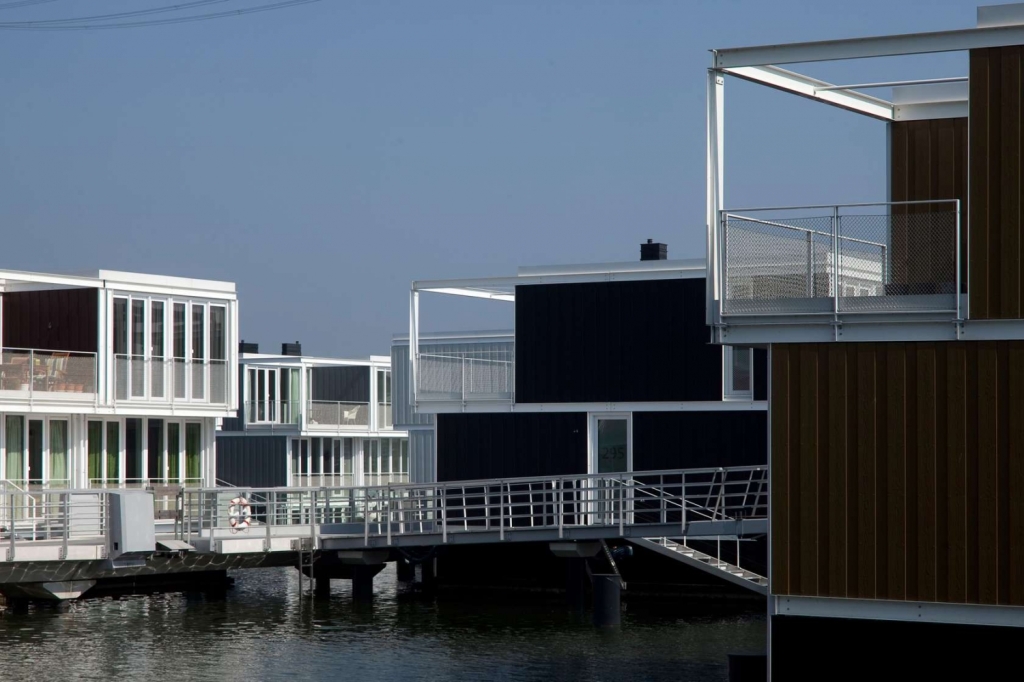
荷兰IJburg水上住宅外部实景图
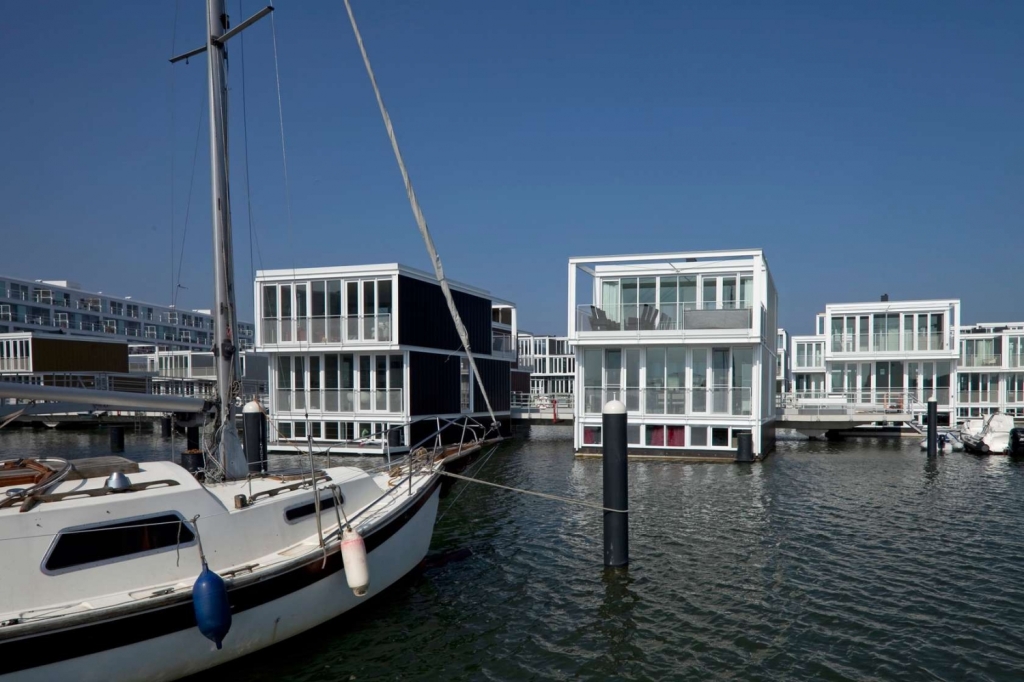
荷兰IJburg水上住宅外部实景图
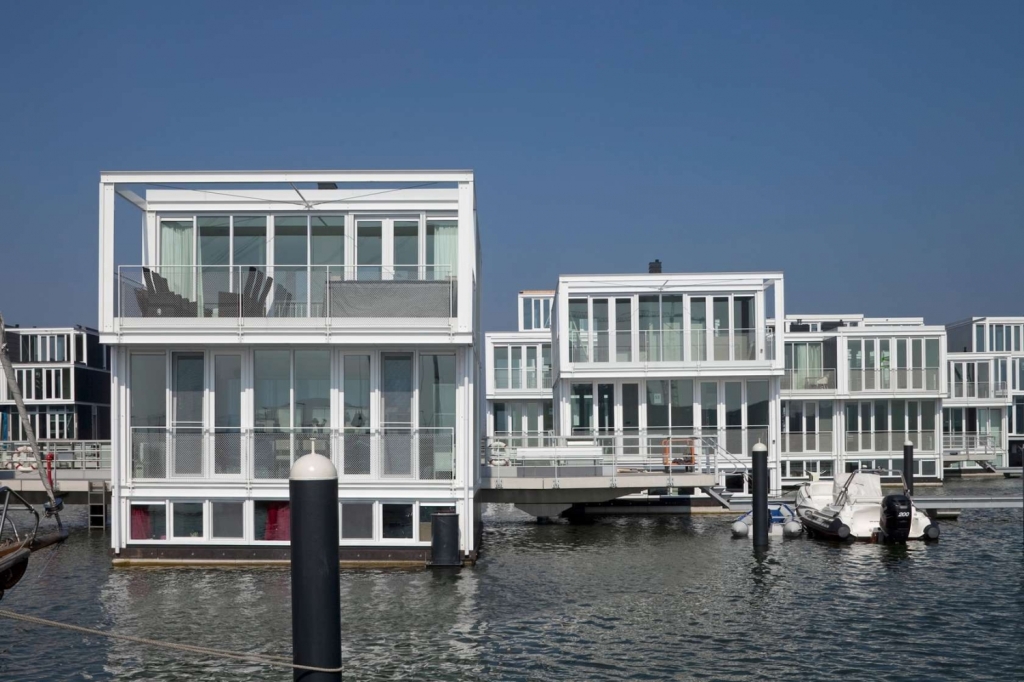
荷兰IJburg水上住宅外部实景图
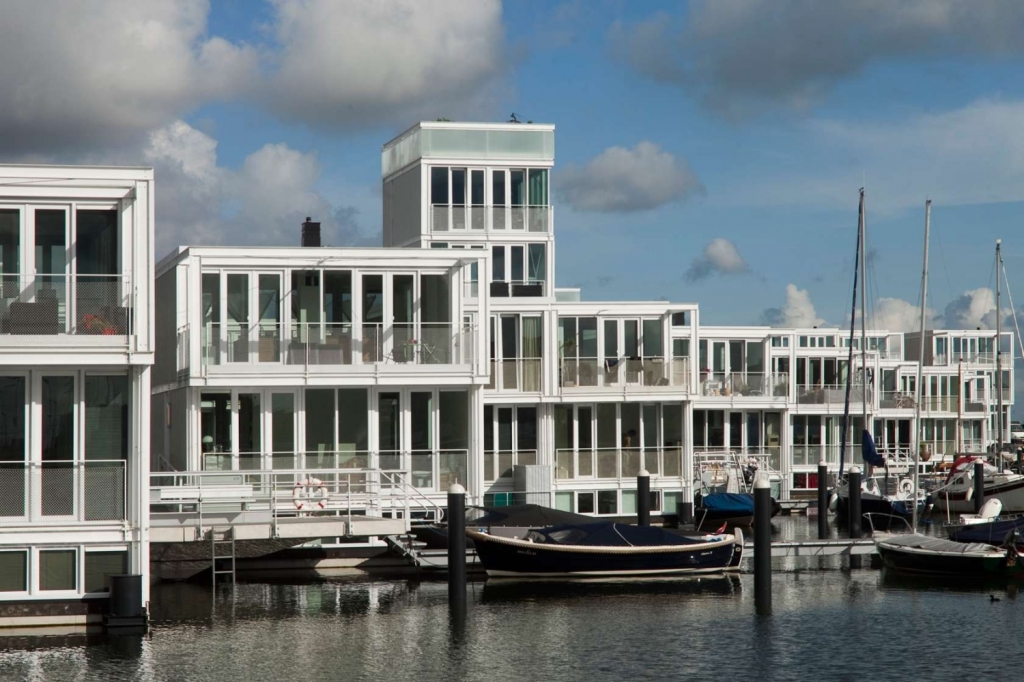
荷兰IJburg水上住宅外部实景图
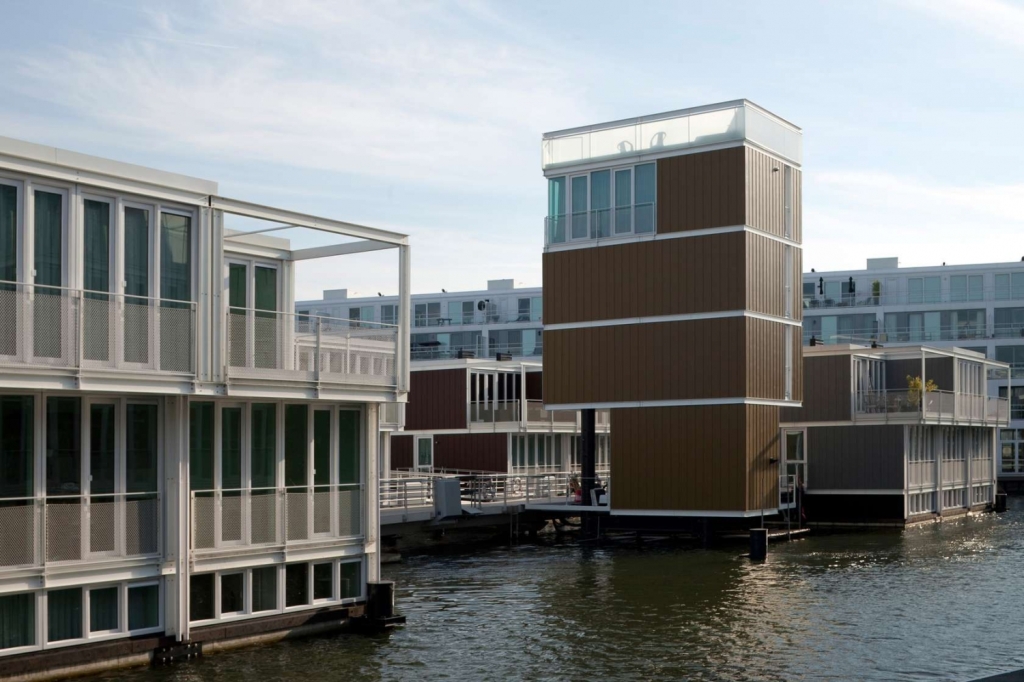
荷兰IJburg水上住宅外部实景图
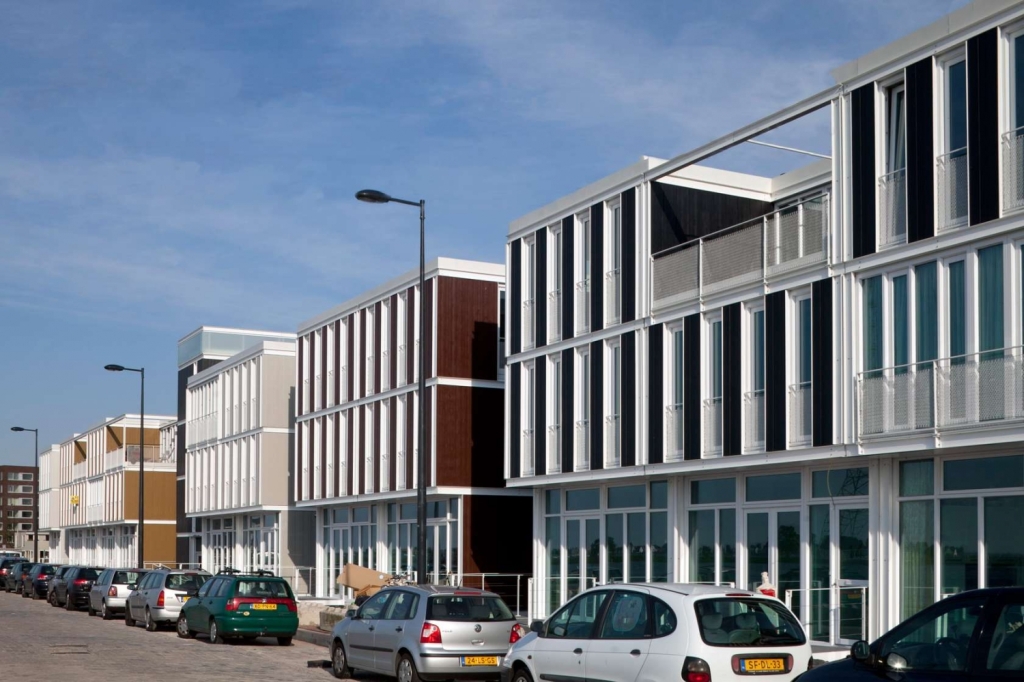
荷兰IJburg水上住宅外部实景图
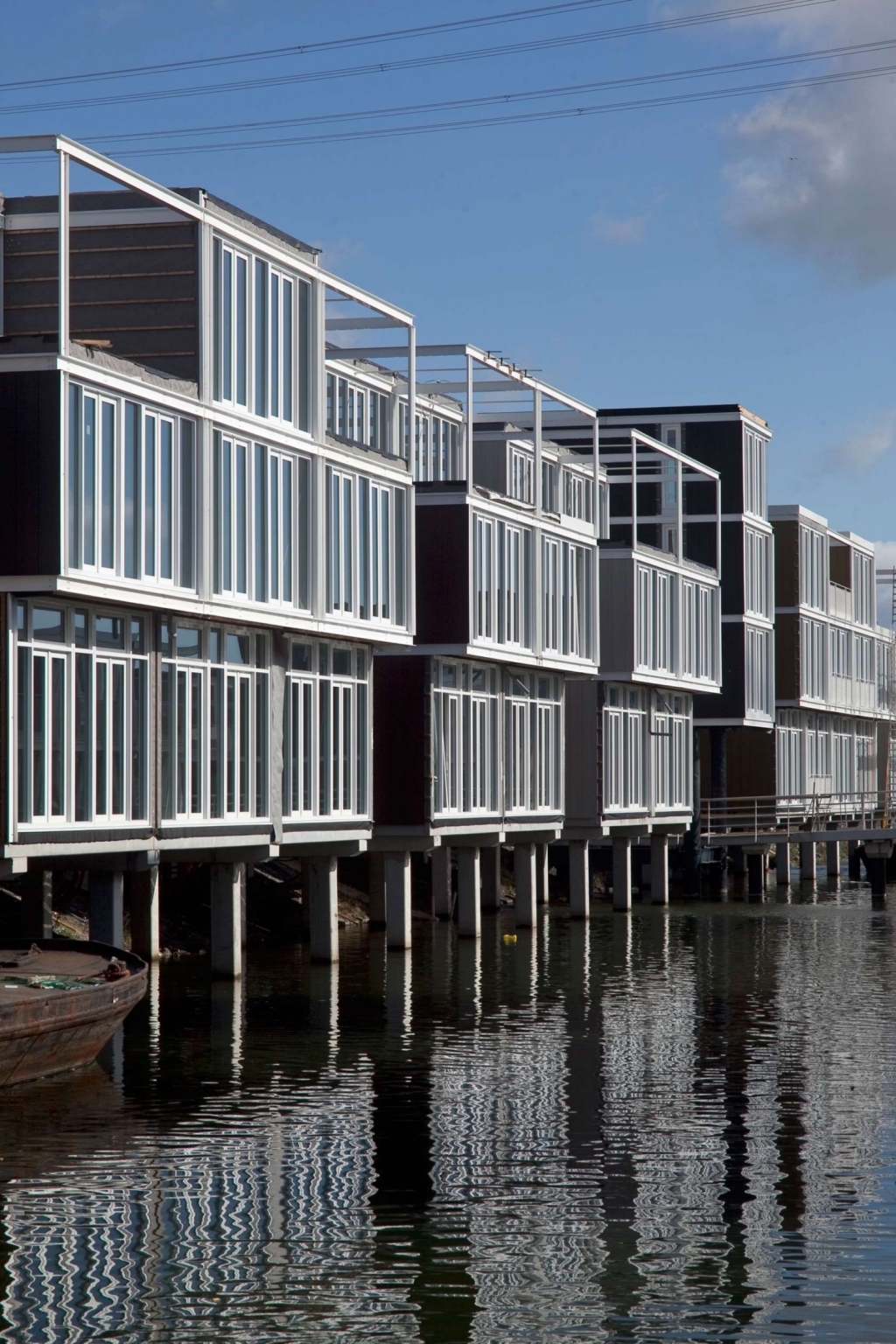
荷兰IJburg水上住宅外部实景图
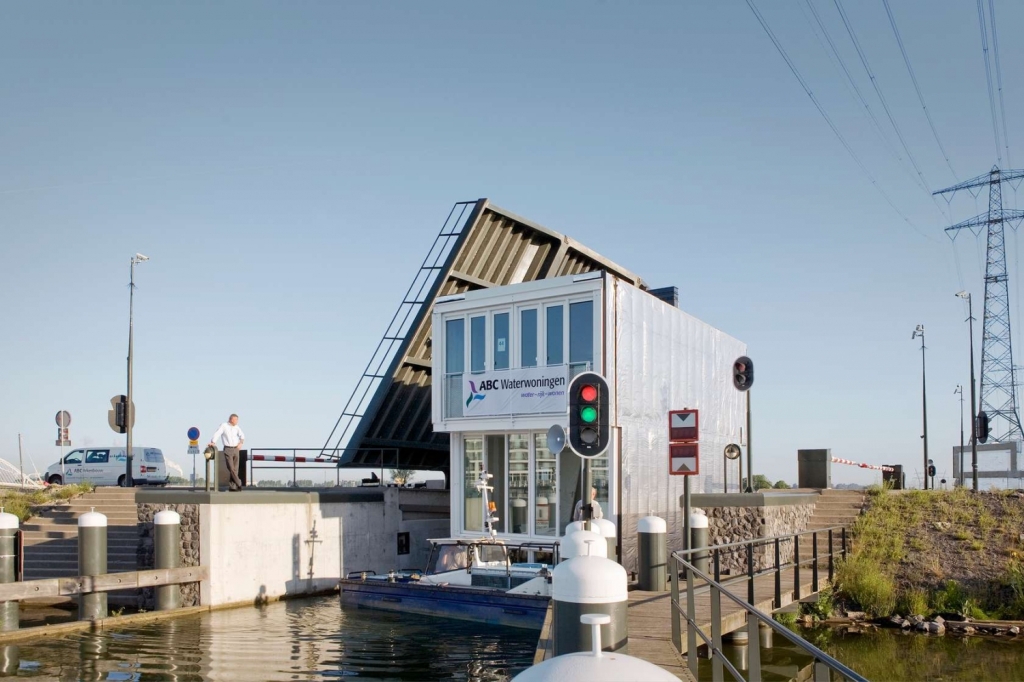
荷兰IJburg水上住宅外部实景图
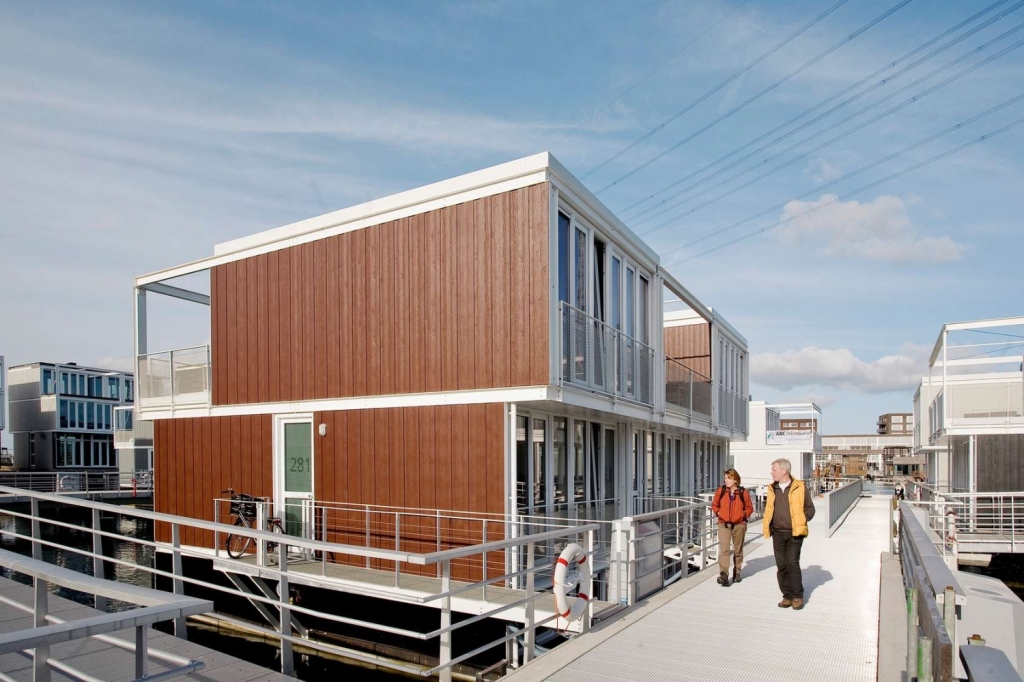
荷兰IJburg水上住宅外部实景图
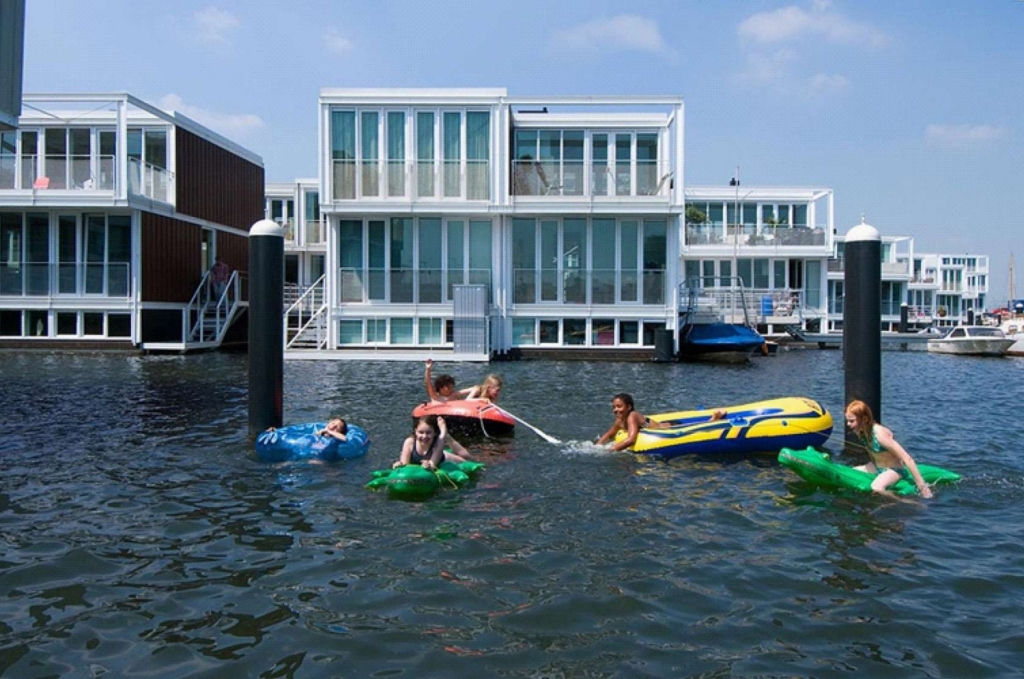
荷兰IJburg水上住宅外部实景图 |
|
 关注公众号
关注公众号 川公网安备51010702000609号


 发表于 2026-6-15 10:22:43