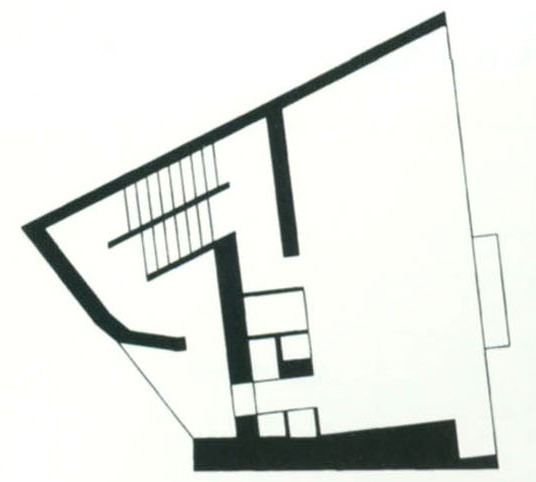
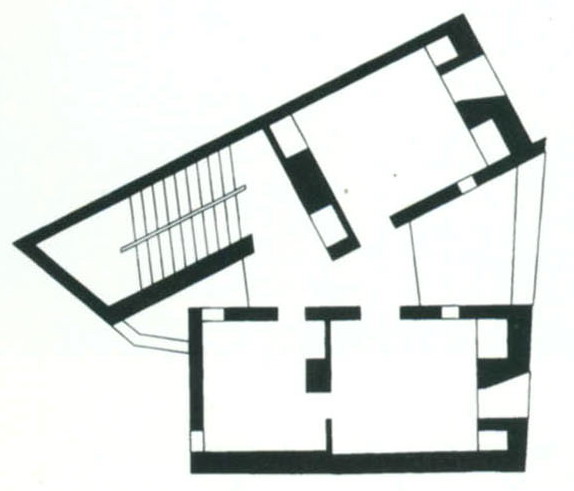
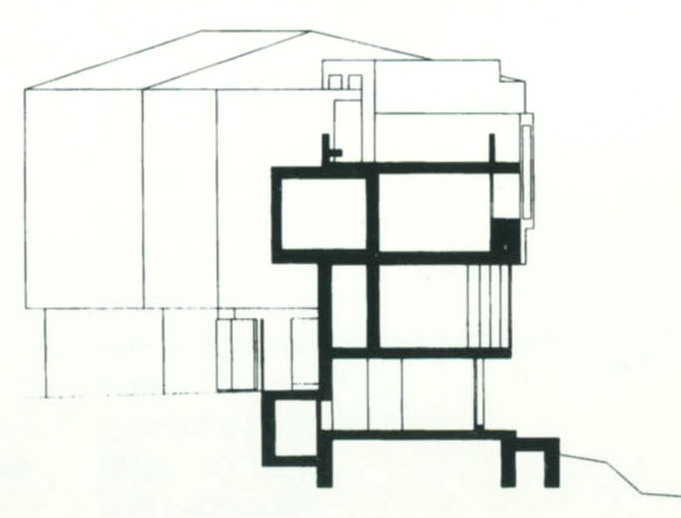
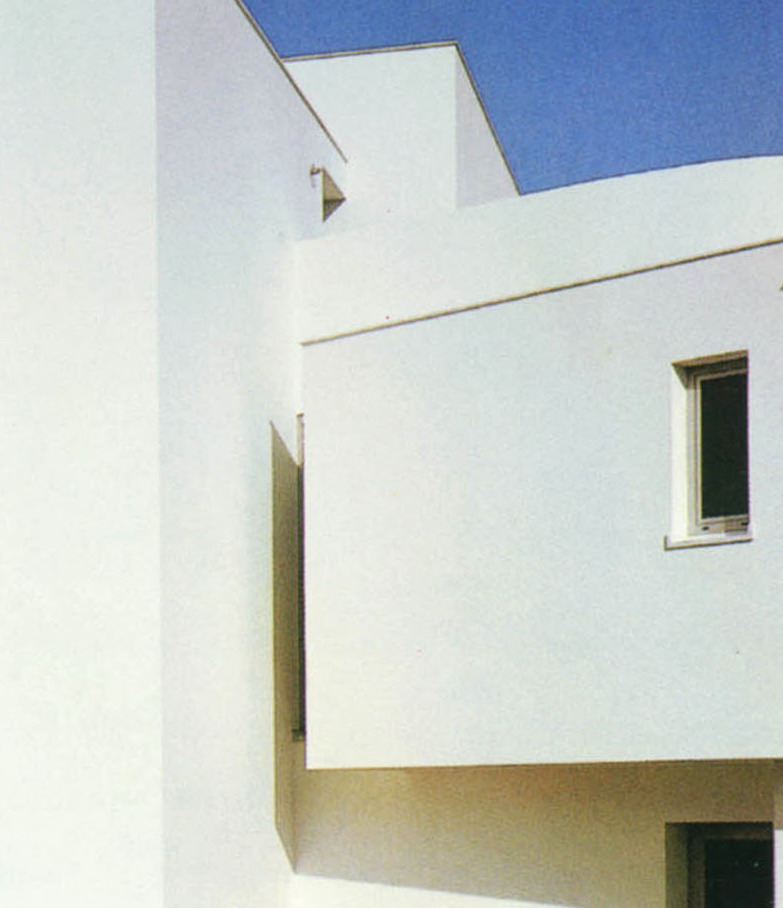
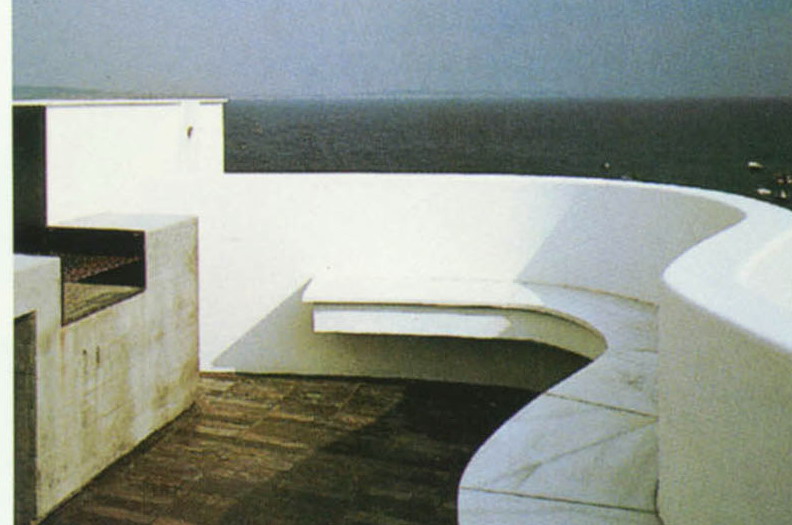
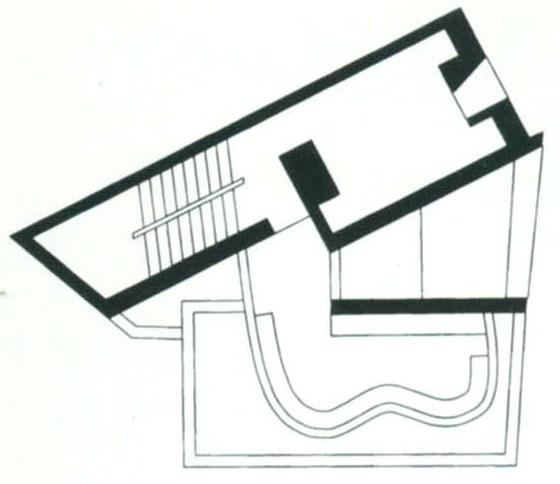
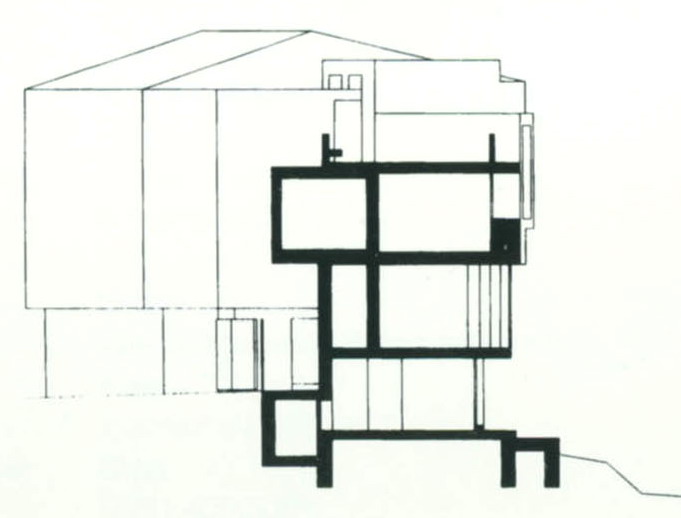
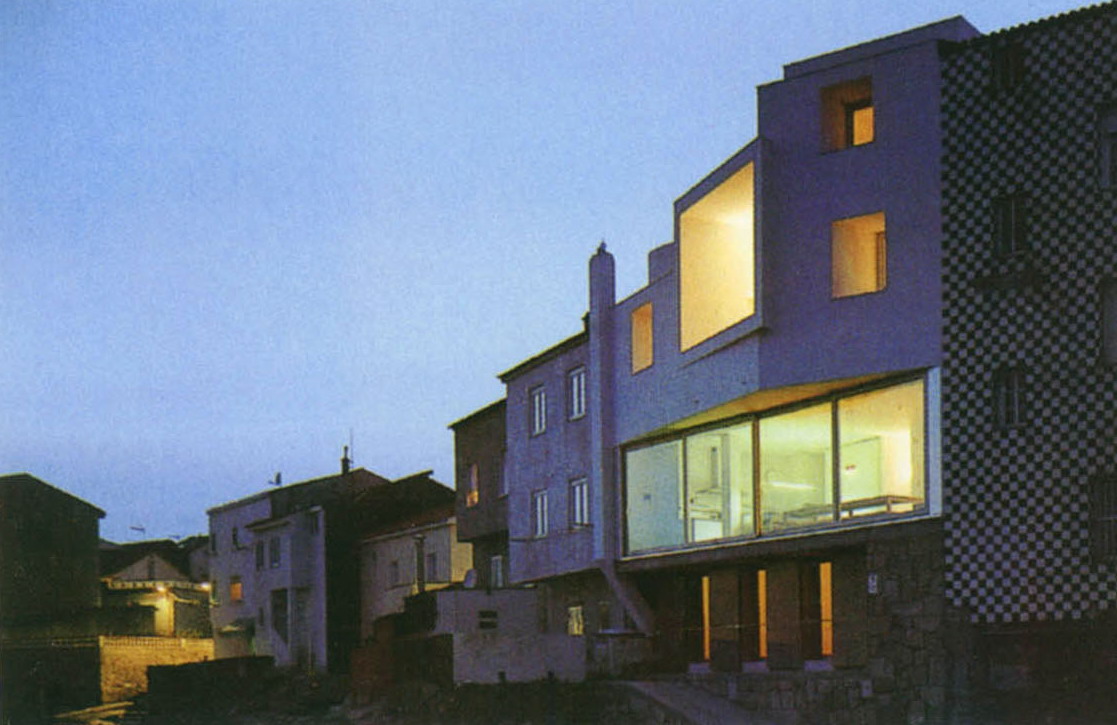
The line of buildings which makes up the seaward elevation of this small Galician fishing village is both haphazard and harmonious. Chipperfield‘s house occupies a gap within this sequence of shifting scales and geometries, its form, detailing and material palette designed to embed the building within its context, whilst also creating architecture of pronounced individual character. A major difference between the new house and its neighbours lies in the scheme‘s orientation. Unlike the other buildings along the waterfront which face into the village, all internal spaces of this new house are focused resolutely seawards, with large openings providing panoramic views across the harbour and the ocean beyond which have a profound impact on the experience of being inside the house. This emphasis on the ocean prospect is underlined by the way sections of the exterior appear to crane round to optimize the view. Rather than resist the physical eccentricities of its immediate context, the house allows itself to be shaped by them. This strategy is most apparent on the street elevation, where the colliding geometries of adjoining houses extend across the building, dictating its formal composition. Reinforcing this sense of relationship between new and existing architecture, the house rises from a solid stone and concrete base, its unconventional large-scale openings balanced by a series of smaller vernacular windows cut into its upper mass.
 关注公众号
关注公众号 川公网安备51010702000609号


 发表于 2026-6-23 11:00:27